Vitamin D, often called the ‘sunshine vitamin,’ is absolutely vital for supporting your overall well-being. From building strong bones to maintaining a robust immune system, this essential nutrient plays a crucial role in countless bodily functions. Ensuring your body gets enough Vitamin D can help you feel your best every day, contributing to sustained energy and a positive mood.
Many people associate Vitamin D primarily with sunlight, but did you know that numerous delicious foods can also help you meet your daily health dose? In this guide, we’ll explore why Vitamin D is so important and highlight the top food sources you can easily incorporate into your diet.
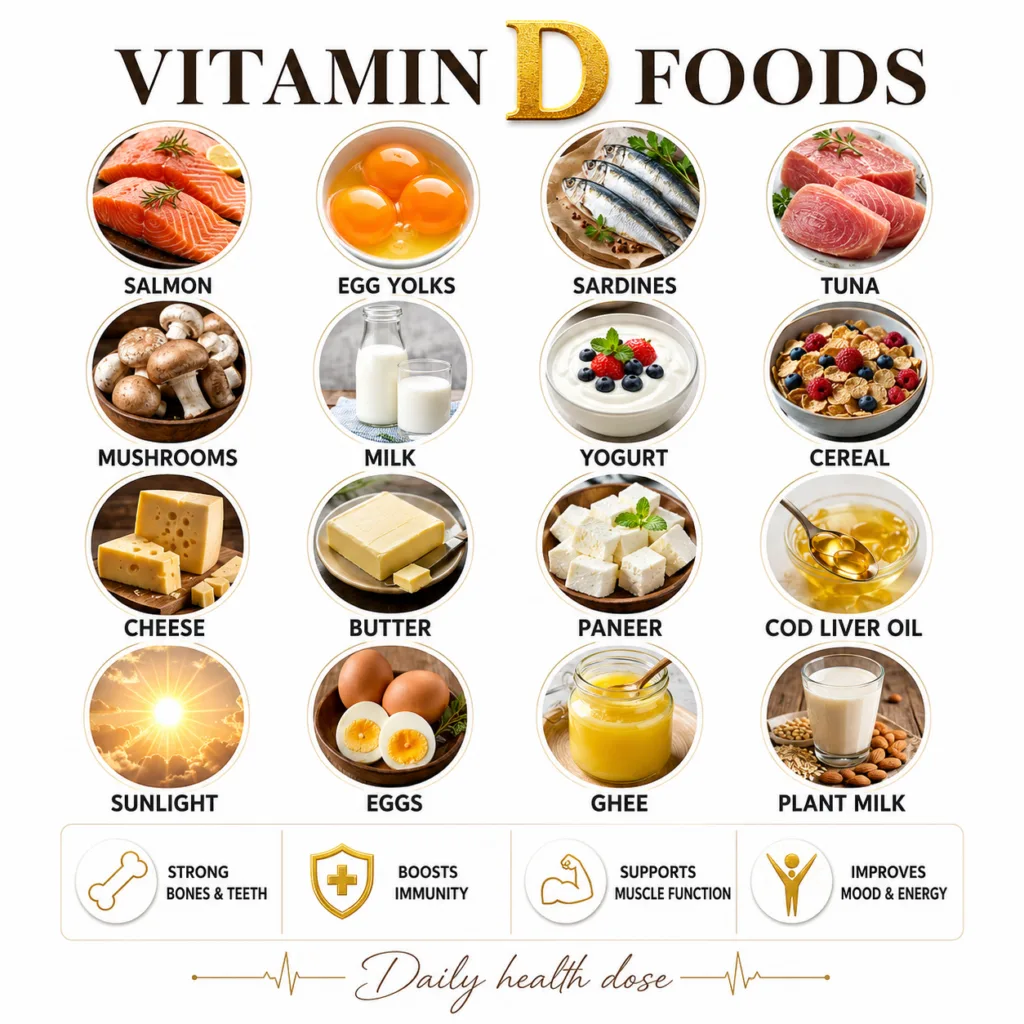
Why Vitamin D is Your Daily Health Dose: Key Benefits
Beyond its well-known role, Vitamin D offers a spectrum of benefits that are critical for maintaining vibrant health throughout your life. Understanding these benefits can inspire you to prioritize this essential nutrient in your daily intake.
Strong Bones & Teeth
Perhaps the most famous role of Vitamin D is its indispensable contribution to bone health. Vitamin D helps your body absorb calcium and phosphorus, two minerals essential for building and maintaining strong bones and teeth. Without adequate Vitamin D, your body cannot effectively utilize the calcium you consume, which may lead to weakened bones and an increased risk of fractures and conditions like osteoporosis.
Boosts Immunity
A robust immune system is your body’s first line of defense against illness, and Vitamin D plays a significant role in its function. It modulates both innate and adaptive immune responses, helping your body to fight off pathogens and reduce inflammation. Adequate Vitamin D levels are commonly associated with a stronger ability to resist infections and support overall immune resilience.
Supports Muscle Function
Beyond bones, Vitamin D is also crucial for maintaining healthy muscle function. It contributes to muscle strength and can help reduce the risk of falls, especially in older adults. Proper Vitamin D levels may help improve muscle performance and reduce muscle weakness, ensuring your body remains capable and mobile.
Improves Mood & Energy
Feeling sluggish or experiencing low moods? Vitamin D might play a part. This vitamin is involved in brain function and the regulation of neurotransmitters, which can influence mood and energy levels. Maintaining sufficient Vitamin D can contribute to a more positive outlook, reduce symptoms of fatigue, and support overall mental well-being.
Top Vitamin D Foods to Nourish Your Body
While sunlight is a primary source, incorporating Vitamin D-rich foods into your diet is an excellent way to ensure you’re getting enough, especially during months with less sun exposure or for those with limited outdoor time. Here are some of the best dietary sources:
Fatty Fish Powerhouses
- Salmon: A true superfood, salmon is not only packed with omega-3 fatty acids but is also one of the richest natural sources of Vitamin D.
- Sardines: These small, oily fish are incredibly nutrient-dense, providing a significant amount of Vitamin D along with calcium and other essential nutrients.
- Tuna: Canned tuna is a convenient and accessible source of Vitamin D, making it easy to add to salads, sandwiches, or casseroles.
Dairy & Fortified Favorites
Many dairy products and plant-based alternatives are fortified with Vitamin D to help boost public health intake.
- Milk: Most cow’s milk is fortified with Vitamin D, making it a common and accessible source.
- Yogurt: Similar to milk, many yogurt varieties are fortified, offering a delicious way to get your Vitamin D.
- Cereal: A quick and easy breakfast, many breakfast cereals are fortified with Vitamin D and other vitamins and minerals.
- Cheese: While some cheeses contain small amounts of naturally occurring Vitamin D, many are also fortified.
- Butter: Some brands of butter are fortified with Vitamin D.
- Plant Milk: Options like almond milk, soy milk, and oat milk are often fortified to match the nutritional profile of dairy milk, including Vitamin D.
Egg-cellent Choices
- Egg Yolks: The yolk of an egg contains Vitamin D. While the amount varies depending on the hen’s diet and sun exposure, whole eggs are a simple and versatile way to add Vitamin D to your meals.
- Eggs (whole): Incorporating whole eggs into your diet provides a good source of Vitamin D, alongside protein and other beneficial nutrients.
Unique & Traditional Sources
- Mushrooms: Certain mushrooms, particularly those exposed to UV light, can produce Vitamin D2. Look for labels indicating ‘UV-treated’ or ‘high in Vitamin D’ for the best sources.
- Cod Liver Oil: This traditional supplement is a powerhouse of Vitamin D and Vitamin A, making it an excellent option for those looking to boost their intake significantly.
- Ghee: While not a primary source, ghee (clarified butter) can contain small amounts of Vitamin D, especially if derived from grass-fed cows.
- Paneer: This fresh cheese, popular in South Asian cuisine, can contribute to your Vitamin D intake, particularly if made from fortified milk.
The Original Source: Sunlight
While not a food, it’s crucial to mention that exposure to sunlight is the most natural way for your body to produce Vitamin D. When your skin is exposed to UVB rays, it synthesizes Vitamin D3. Just 10-30 minutes of midday sun exposure several times a week, depending on skin type and location, can be sufficient. Always practice safe sun habits to protect your skin.
How to Incorporate More Vitamin D into Your Diet
Making Vitamin D a regular part of your meals can be simple and delicious. Here are a few practical tips:
- Breakfast Boost: Start your day with a bowl of fortified cereal and fortified milk or a hearty scramble with whole eggs.
- Lunch & Dinner Staples: Add canned tuna to your salads or sandwiches, or enjoy a baked salmon fillet with vegetables for a nutrient-dense meal. Sardines can be a quick, protein-rich addition to toast or crackers.
- Snack Smarter: Grab a fortified yogurt or a slice of cheese for a midday boost.
- Strategic Supplements: If dietary intake and sun exposure are insufficient, consider cod liver oil or other Vitamin D supplements after consulting with a healthcare professional.
Frequently Asked Questions About Vitamin D
Can you get enough Vitamin D from food alone?
While many foods contain Vitamin D, it can be challenging to meet daily recommendations solely through diet, especially for those with higher needs or limited access to specific foods. Sun exposure and supplements often play a crucial role in ensuring adequate intake.
What’s the best time to get sunlight for Vitamin D?
Generally, midday sun (between 10 AM and 3 PM) is most effective for Vitamin D synthesis, as UVB rays are strongest then. However, always be mindful of sun protection to prevent sunburn and skin damage.
Who is at risk of Vitamin D deficiency?
Individuals with limited sun exposure, darker skin tones, older adults, people with certain medical conditions (like malabsorption issues), and those on specific medications may be at higher risk of Vitamin D deficiency. It’s best to consult a healthcare provider to assess your individual needs.