Boost Your Protein: 9 Powerhouse Veggies You Need to Know!
Are you looking to enhance your protein intake, especially from plant-based sources? You’re in the right place! Protein is a vital macronutrient essential for building and repairing tissues, making enzymes and hormones, and supporting overall health. While animal products are well-known for their protein content, the plant kingdom offers an incredible array of options. Many common vegetables are hidden protein powerhouses, providing not only this essential nutrient but also a wealth of vitamins, minerals, and fiber.
Integrating more plant-based protein into your diet can offer numerous health benefits, from supporting heart health to aiding in weight management and promoting a healthy gut. Foods like edamame, lentils, and peas are fantastic examples of how you can boost your daily intake. They’re perfect for fueling your body with essential nutrients and enriching your meals with plant-based goodness.
The Power of Plant-Based Protein
Choosing plant-based protein sources is an excellent way to diversify your diet and ensure you’re getting a broad spectrum of nutrients. Unlike some animal proteins, many plant-based options come packed with fiber, which is crucial for digestive health and satiety, and are often lower in saturated fat. They can also contribute to a more sustainable way of eating.
Whether you’re a seasoned vegetarian, a curious flexitarian, or simply looking to add more variety to your meals, understanding which vegetables pack a protein punch can transform your approach to healthy eating. Let’s dive into 9 incredible vegetables that can help you meet your protein goals!
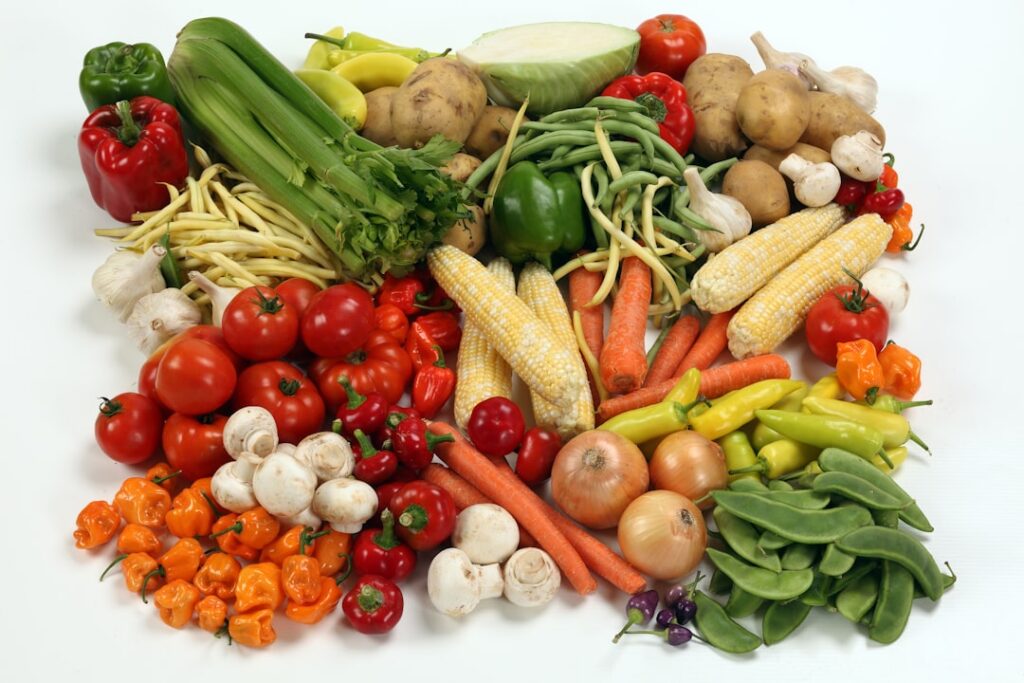
9 Protein-Packed Vegetables to Boost Your Meals
Here are some of our top picks for vegetables that can significantly contribute to your daily protein intake:
1. Edamame (Green Soybeans)
- Protein Content: Approximately 18.5 grams per cup (cooked, shelled).
- Why it’s Great: Edamame is a complete protein, meaning it contains all nine essential amino acids. It’s also rich in fiber, vitamins K and C, and folate. These vibrant green beans are incredibly versatile and make for a perfect snack or addition to stir-fries and salads.
2. Lentils
- Protein Content: Approximately 18 grams per cup (cooked).
- Why it’s Great: While technically a legume, lentils are often discussed alongside vegetables for their plant-based protein contributions. They are an excellent source of protein, fiber, iron, and B vitamins. Lentils are incredibly affordable and can be used in soups, stews, curries, and salads.
3. Peas
- Protein Content: Approximately 8 grams per cup (cooked green peas).
- Why it’s Great: Green peas are surprisingly high in protein, along with fiber, vitamin C, vitamin K, and various B vitamins. They are sweet, easy to incorporate into many dishes, from pasta to casseroles, or simply enjoyed as a side dish.
4. Spinach
- Protein Content: Approximately 5 grams per cup (cooked).
- Why it’s Great: This leafy green powerhouse might not be the highest in protein per serving, but it’s incredibly nutrient-dense. Spinach offers iron, calcium, magnesium, and vitamins A, C, and K, along with its protein. It shrinks considerably when cooked, allowing you to consume a larger quantity, and is great in smoothies, scrambles, or sautéed.
5. Broccoli
- Protein Content: Approximately 4 grams per cup (chopped, cooked).
- Why it’s Great: Broccoli is a cruciferous vegetable known for its fiber, vitamin C, and vitamin K content, and it also contributes a good amount of protein. It’s an anti-inflammatory superstar and can be steamed, roasted, or added to stir-fries.
6. Asparagus
- Protein Content: Approximately 4.3 grams per cup (cooked).
- Why it’s Great: Asparagus is a delicious spring vegetable rich in vitamins A, C, E, and K, as well as folate and chromium. Its moderate protein content makes it a valuable addition to any high-protein meal. Enjoy it roasted, grilled, or steamed.
7. Potatoes
- Protein Content: Approximately 4.5 grams per medium potato (cooked with skin).
- Why it’s Great: Often overlooked as a protein source, potatoes provide a decent amount, especially when consumed with their skin, which also adds fiber. They are a good source of potassium and vitamin C. Remember, preparation matters—baked or boiled is healthier than fried.
8. Mushrooms (e.g., Shiitake, Crimini)
- Protein Content: Varies by type, but around 3-4 grams per cup (cooked).
- Why it’s Great: Mushrooms, particularly varieties like shiitake and crimini, offer a savory umami flavor and contribute plant-based protein, B vitamins, and selenium. They can be a fantastic meat substitute in many dishes and add depth to stir-fries, omelets, and sauces.
9. Brussels Sprouts
- Protein Content: Approximately 4 grams per cup (cooked).
- Why it’s Great: These mini cabbages are packed with protein, fiber, and an impressive amount of vitamin C and K. Roasting them brings out their natural sweetness, making them a delicious and nutritious side dish.
Creative Ways to Enjoy Protein-Rich Veggies
Incorporating these vegetables into your daily meals is easier than you think! Here are some ideas:
- Snack Power: Munch on steamed edamame with a pinch of sea salt.
- Breakfast Boost: Add spinach or sautéed mushrooms to your scrambled eggs or tofu scramble.
- Lunchtime Staples: Toss lentils or peas into your salads for extra bulk and protein. Blend cooked spinach or broccoli into creamy soups.
- Dinner Delights: Create a hearty lentil stew, roast asparagus and Brussels sprouts with your favorite spices, or make a stir-fry brimming with broccoli, edamame, and mushrooms.
- Smoothie Secret: A handful of raw spinach blends seamlessly into fruit smoothies, adding nutrients without altering the flavor significantly.
Embrace the Plant-Based Protein Journey
Boosting your protein intake doesn’t have to mean relying solely on animal products. The plant kingdom offers a diverse and delicious array of vegetables that are not only rich in protein but also packed with essential vitamins, minerals, and fiber. By consciously incorporating these nine powerhouse veggies into your meals, you can nourish your body, enjoy vibrant flavors, and contribute to your overall wellness journey.
Remember, a balanced diet is key, and these vegetables are fantastic components of a healthy eating plan. Experiment with different cooking methods and recipes to find your favorite ways to enjoy these nutritional gems!
Disclaimer: The information provided in this article is for educational purposes only and is not intended as a substitute for professional medical advice, diagnosis, or treatment. Always seek the advice of your physician or other qualified health provider with any questions you may have regarding a medical condition.