Did you know that the food choices you make every day have a direct and powerful impact on your blood pressure? It’s true! Our bodies are incredible, and by making simple, intentional shifts in our diet, we can naturally support our heart health and contribute to maintaining healthy blood pressure levels.
This guide will explore how certain foods can make a significant difference for a healthier you, offering practical insights and easy-to-adopt strategies to incorporate into your daily routine. We’re not talking about complicated diets, but rather embracing a lifestyle of mindful eating that truly nourishes your heart.
The Powerful Link Between Diet and Blood Pressure
Your blood pressure is a measure of the force your blood exerts against the walls of your arteries. When this force is consistently too high, it can strain your heart and blood vessels over time. While many factors influence blood pressure, diet stands out as one of the most accessible areas where we can make positive changes.
Certain nutrients, or lack thereof, play a crucial role. For instance, too much sodium can cause your body to retain fluid, increasing blood volume and pressure. On the other hand, nutrients like potassium, magnesium, and fiber can help relax blood vessel walls and promote a healthier balance.
Foods to Embrace for a Healthier Heart
1. Fruits and Vegetables: Nature’s Pharmacy
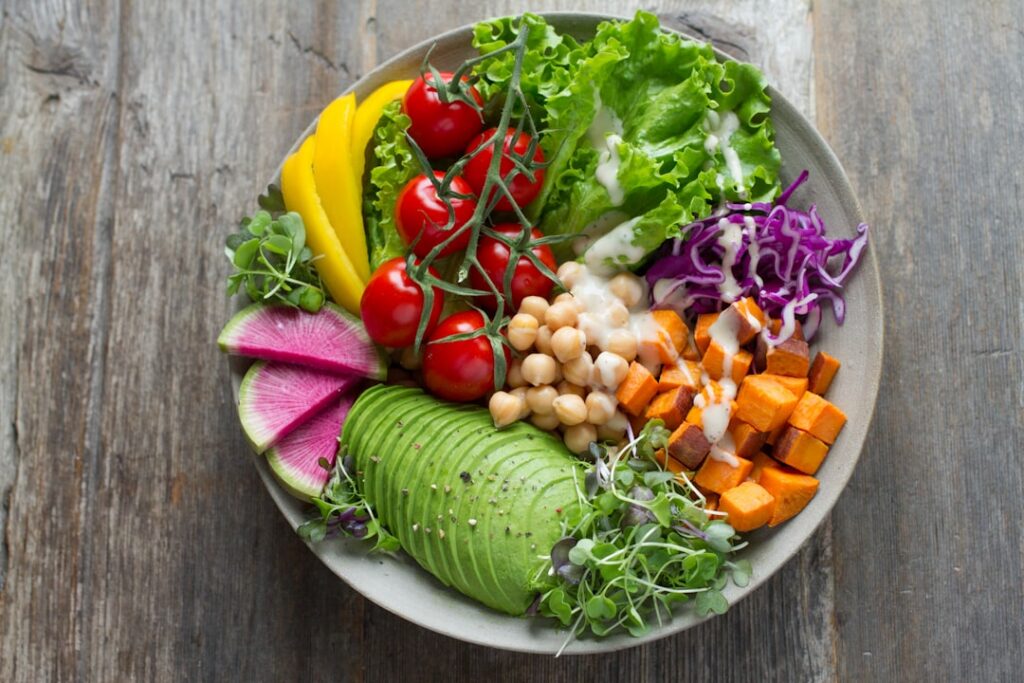
These colorful powerhouses are rich in vitamins, minerals, and antioxidants, especially potassium. Potassium helps to balance sodium levels in your body, easing tension in blood vessel walls. Aim for a rainbow of choices daily!
- Leafy Greens: Spinach, kale, Swiss chard are packed with potassium and magnesium.
- Berries: Blueberries, strawberries, and raspberries are rich in antioxidants called anthocyanins.
- Bananas & Avocados: Excellent sources of potassium.
- Beets: Known for their naturally occurring nitrates, which can help relax blood vessels.
2. Whole Grains: Fiber-Rich Foundations
Whole grains like oats, brown rice, quinoa, and whole wheat bread are excellent sources of dietary fiber. Fiber is important for heart health as it can help manage cholesterol levels and contribute to healthy blood pressure.
3. Lean Proteins: Smart Choices
Opt for lean protein sources, which are essential for overall health without adding excess unhealthy fats.
- Fish: Especially fatty fish like salmon, mackerel, and sardines, which are high in omega-3 fatty acids.
- Skinless Poultry: Chicken and turkey breasts.
- Legumes: Beans, lentils, and chickpeas are fantastic plant-based protein sources, also high in fiber.
4. Healthy Fats: Not All Fats Are Equal
Incorporating healthy fats can support cardiovascular health. Focus on monounsaturated and polyunsaturated fats.
- Olive Oil & Avocado Oil: Great for cooking and dressings.
- Nuts & Seeds: Almonds, walnuts, chia seeds, flax seeds provide healthy fats and fiber.
Foods to Limit or Avoid
Just as important as knowing what to eat is understanding what to reduce in your diet.
- High Sodium Foods: Processed foods, canned soups, frozen meals, deli meats, and many restaurant dishes are often loaded with sodium. Reading labels and choosing low-sodium options can make a big difference.
- Saturated & Trans Fats: Found in red meat, full-fat dairy, fried foods, and many baked goods. These can contribute to unhealthy cholesterol levels.
- Added Sugars: Sugary drinks, candies, and desserts offer empty calories and can negatively impact blood pressure and overall health.
Simple Dietary Shifts You Can Make Today
- Cook More at Home: This gives you control over ingredients, especially sodium and fat content.
- Read Food Labels: Pay attention to sodium, saturated fat, and added sugar content.
- Season with Herbs and Spices: Reduce reliance on salt by enhancing flavor naturally.
- Hydrate with Water: Replace sugary drinks with plain water.
- Portion Control: Be mindful of serving sizes, even for healthy foods.
Beyond the Plate: A Holistic Approach
While diet is a cornerstone, remember that healthy blood pressure is part of a broader healthy lifestyle. Regular physical activity, managing stress, getting enough sleep, and maintaining a healthy weight all play vital roles in supporting your heart.
Your Journey to a Healthier Heart Starts Now!
Making small, consistent changes to your diet can lead to significant benefits for your heart and overall well-being. It’s about empowering yourself with knowledge and making conscious choices that support a healthier you every single day.
If you’re interested in receiving a full guide with more detailed recipes and meal plans to help manage blood pressure through diet, let us know! 💬 Comment below with “RECIPE” and we’ll be happy to share more!