Most people walk past them without a second thought, admiring their unique shapes in gardens or on windowsills. But beyond their aesthetic appeal, certain succulent leaves hold a hidden potential that many herbalists and wellness enthusiasts have quietly utilized for centuries. We’re talking about a simple, refreshing tonic that focuses on supporting kidney health – a critical function often overlooked until problems arise. This guide will show you how to transform common, edible succulent leaves into a practical, supportive blend for your well-being.
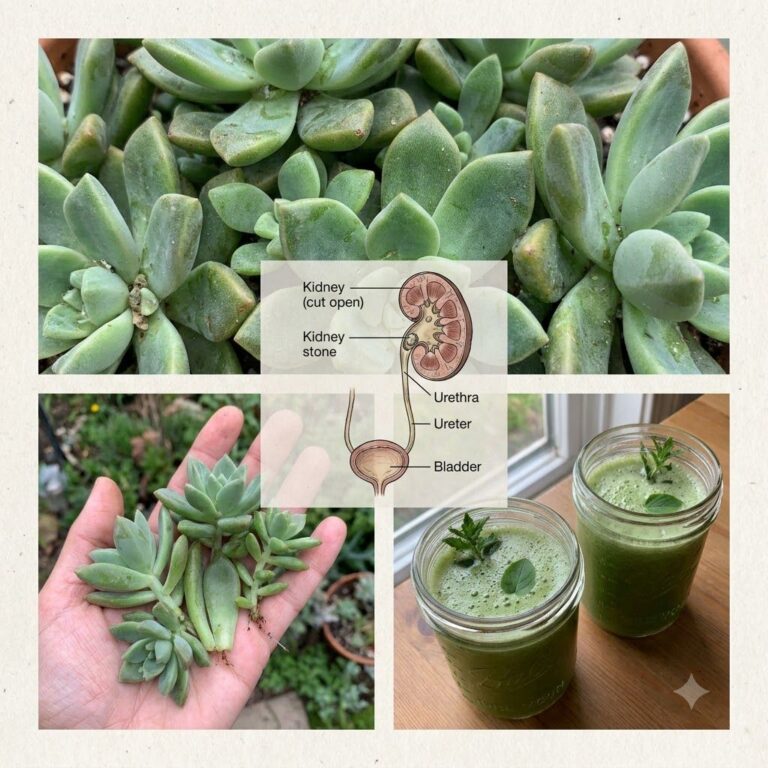 The often-overlooked succulent leaf holds a refreshing secret for kidney support.
What is this Succulent Leaf Tonic?
This remedy isn’t about exotic, hard-to-find ingredients. Instead, it harnesses the natural compounds found in readily available edible succulent leaves, typically blended into a refreshing tonic. The goal is a gentle, hydrating preparation designed to complement your body’s natural processes, especially those related to fluid balance and kidney function. While not a medical treatment, many traditions incorporate such simple plant-based preparations for daily wellness support.
Ingredients for Your Succulent Leaf Tonic
- Fresh Edible Succulent Leaves: Approximately 1 cup, packed (e.g., Sedum species, certain Portulaca varieties. Always ensure it’s a known edible and unsprayed plant).
- Filtered Water: 1.5 cups
- Lemon Juice: 1 tablespoon (freshly squeezed)
- Optional additions: A small piece of fresh ginger (1/2 inch), a few mint leaves, a touch of raw honey or maple syrup for taste.
Approximate Measurements
Precision isn’t as critical here as with baking, but these measurements provide a good starting point for a balanced tonic:
- 1 cup succulent leaves (roughly 20-30 medium-sized leaves, depending on species)
- 1.5 cups water for blending
- 1 tbsp lemon juice for freshness and to aid extraction
Formula / Recipe: Simple Green Kidney Tonic
This recipe focuses on maximizing the fresh qualities of the succulent leaves in a palatable, easy-to-drink format. The natural hydration and compounds within the leaves are the stars.
Step-by-Step Method
- Harvest & Clean: Carefully select fresh, healthy, unsprayed succulent leaves. Rinse them thoroughly under cool running water to remove any dirt or debris. Pat them dry gently.
- Chop (Optional): For easier blending, you can roughly chop larger leaves. Smaller leaves can be left whole.
- Combine: Place the cleaned succulent leaves, filtered water, and fresh lemon juice into a high-speed blender. If using ginger or mint, add them now.
- Blend: Blend on high until the mixture is completely smooth and appears bright green. This may take 1-2 minutes, depending on your blender’s power.
- Strain (Crucial Step): Pour the blended mixture through a fine-mesh sieve or, for a clearer tonic, through a cheesecloth-lined strainer into a clean jar or glass. Press down on the solids to extract as much liquid as possible. Discard the pulp.
- Sweeten (Optional): If desired, stir in a small amount of raw honey or maple syrup to taste.
- Serve: Pour into a glass, add a few ice cubes if preferred, and enjoy immediately.
How to Use
This tonic is best enjoyed fresh. Drink it as a daily beverage, ideally in the morning or early afternoon, to kickstart your hydration and provide gentle support.
How Often to Use
For general wellness support, drinking 1 glass (approximately 8-10 ounces) of this tonic once a day is common. Listen to your body and adjust as needed. Consistent, moderate use is often preferred over large, infrequent doses.
How to Buy / How to Choose Ingredients
The most important factor is sourcing edible, unsprayed succulent leaves. If you don’t grow them yourself:
- Home Garden: The best option. Ensure no pesticides or chemical fertilizers are used.
- Farmers’ Markets: Ask vendors if their succulents are grown for consumption and are chemical-free.
- Specialty Nurseries: Some nurseries sell culinary succulents.
Crucial Tip: Not all succulents are edible. Research your specific plant thoroughly before consumption. Common edible varieties often include certain Sedum and Portulaca (purslane) species. When in doubt, do not consume.
Storage
This succulent leaf tonic is best consumed immediately after preparation to retain its freshness and nutritional potency. If you have leftovers, store them in an airtight container in the refrigerator for no more than 24 hours. Oxidation will occur, and the flavor and quality may diminish over time.
Practical Tips for Your Tonic
- Experiment with Flavor: If the taste is too earthy for you, blend with a small apple, a few cucumber slices, or a handful of spinach to balance the flavor.
- Hydration Boost: For an extra hydration kick, blend in a small piece of aloe vera gel (ensure it’s food-grade and the outer skin is completely removed).
- Consistency Matters: Regular, small doses are often more beneficial than sporadic, large ones for ongoing wellness support.
Quick Tip: Adding a touch of fresh lemon juice not only brightens the flavor but also helps with the extraction of compounds and acts as a mild preservative for a few hours.
Common Mistakes to Avoid
- Using Unknown Succulents: This is the most dangerous mistake. Many succulents are ornamental and not safe for consumption. Always positively identify your plant as an edible species.
- Skipping the Cleaning: Even homegrown plants can have dust, small insects, or unseen residues. Thorough washing is essential.
- Not Straining Properly: The pulp can be fibrous and unpalatable. Straining ensures a smooth, drinkable tonic.
- Over-Storage: While natural remedies are wonderful, they don’t last forever. Fresh is always best, and never consume anything that smells off or looks discolored.
- Relying Solely on the Tonic: This tonic is a supportive addition to a healthy lifestyle, not a replacement for a balanced diet, adequate water intake, or professional medical advice.
Cautions / Who Should Avoid It
While generally considered safe for most adults when using edible species, it’s always wise to exercise caution:
- Pregnancy and Breastfeeding: Consult a healthcare provider before introducing new herbal remedies.
- Kidney Disease: If you have pre-existing kidney conditions, consult your doctor. Plant-based remedies can sometimes interact with medications or specific dietary requirements.
- Medication Interactions: If you are on any medications, particularly diuretics or blood thinners, speak with your physician or pharmacist.
- Allergies: If you have allergies to other plants, introduce this tonic cautiously.
Quick Summary
- Best Preparation: Freshly blended tonic, strained.
- Best Use-Case: Daily wellness support for hydration and general kidney function.
- Storage: Best consumed immediately; refrigerate leftovers for up to 24 hours.
- When to Use: Morning or early afternoon for a refreshing boost.
- What to Avoid: Unknown or unsprayed succulents, prolonged storage.
FAQ
- Can I use any succulent leaf? No, absolutely not. Only use positively identified edible succulent species, such as specific varieties of Sedum or Portulaca. Research is paramount.
- How long does the tonic last? Best consumed immediately. Can be stored in the refrigerator for up to 24 hours, but quality and potency diminish.
- Can I freeze this tonic? While technically possible, freezing may alter the texture and potentially reduce some of the fresh compounds. It’s not generally recommended for this type of fresh tonic.
- What part of the succulent is best? The plump, healthy leaves are the primary part used for this tonic.
- How often should I use it? Once a day is common for general wellness. Listen to your body.
- Can I add other fruits or vegetables? Yes, blending with cucumber, celery, or a small green apple can enhance flavor and nutrient profile.
- Will this cure kidney stones? This tonic is for general wellness support and hydration, not a cure for medical conditions like kidney stones. Always consult a healthcare professional for diagnosis and treatment of any health issues.
Conclusion
The humble succulent leaf, often admired for its resilience and beauty, offers a simple yet profound way to support your body’s natural functions. By preparing this easy-to-make tonic, you’re tapping into traditional wisdom and embracing a practical approach to daily wellness. Remember, consistency, safe sourcing, and listening to your body are key to integrating any natural remedy effectively into your routine.