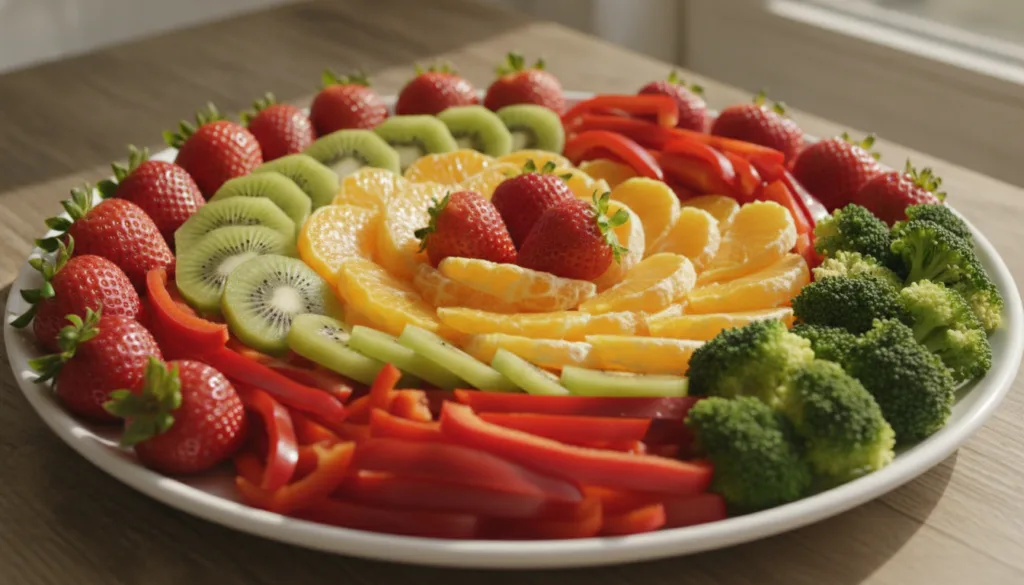
Vitamin C is more than just a remedy for the common cold; it’s an essential nutrient vital for a strong immune system, glowing skin, and robust antioxidant protection. Incorporating enough Vitamin C into your diet can significantly impact your overall well-being, helping your body defend itself against daily stressors and environmental challenges. Easily integrate these excellent natural sources into your daily meals to give your body the vital nutrients it needs.
While many people immediately think of oranges when Vitamin C comes to mind, a diverse range of fruits and vegetables are packed with this powerful nutrient. From exotic guavas to common broccoli, expanding your palette can unlock a spectrum of flavors and health benefits. Join us as we explore the top Vitamin C foods that can power up your plate and contribute to your daily health.
Why Vitamin C Matters: Beyond the Basics
Vitamin C, also known as ascorbic acid, is a water-soluble vitamin that plays multiple crucial roles in the body. Unlike some other nutrients, your body cannot produce Vitamin C on its own, making it essential to obtain it through your diet. Its widespread benefits contribute significantly to maintaining optimal health.
Immune System Support
Perhaps its most well-known benefit, Vitamin C is a cornerstone of a healthy immune system. It helps stimulate the production of white blood cells, which are critical for fighting off infections. Furthermore, it enhances the function of these cells, making them more effective at identifying and eliminating pathogens. Regular intake of Vitamin C may help reduce the duration and severity of colds and other infections.
Radiant Skin and Collagen Production
If you’re looking for natural ways to support healthy skin, Vitamin C is your ally. It is crucial for the biosynthesis of collagen, a vital protein that provides structure to your skin, bones, muscles, and blood vessels. Adequate Vitamin C intake can help maintain skin elasticity, reduce the appearance of wrinkles, and promote a youthful complexion. It also aids in wound healing and protects against UV damage.
Powerful Antioxidant Protection
Vitamin C is a potent antioxidant, meaning it helps protect your cells from damage caused by harmful molecules called free radicals. Free radicals are generated by everyday bodily processes and environmental factors like pollution and UV radiation. By neutralizing these free radicals, Vitamin C helps reduce oxidative stress, which is linked to chronic diseases and premature aging. This makes it a key player in cellular health and disease prevention.
Top Vitamin C Foods to Incorporate into Your Diet
Ready to boost your Vitamin C intake? Here are some of the best foods you can easily add to your meals:
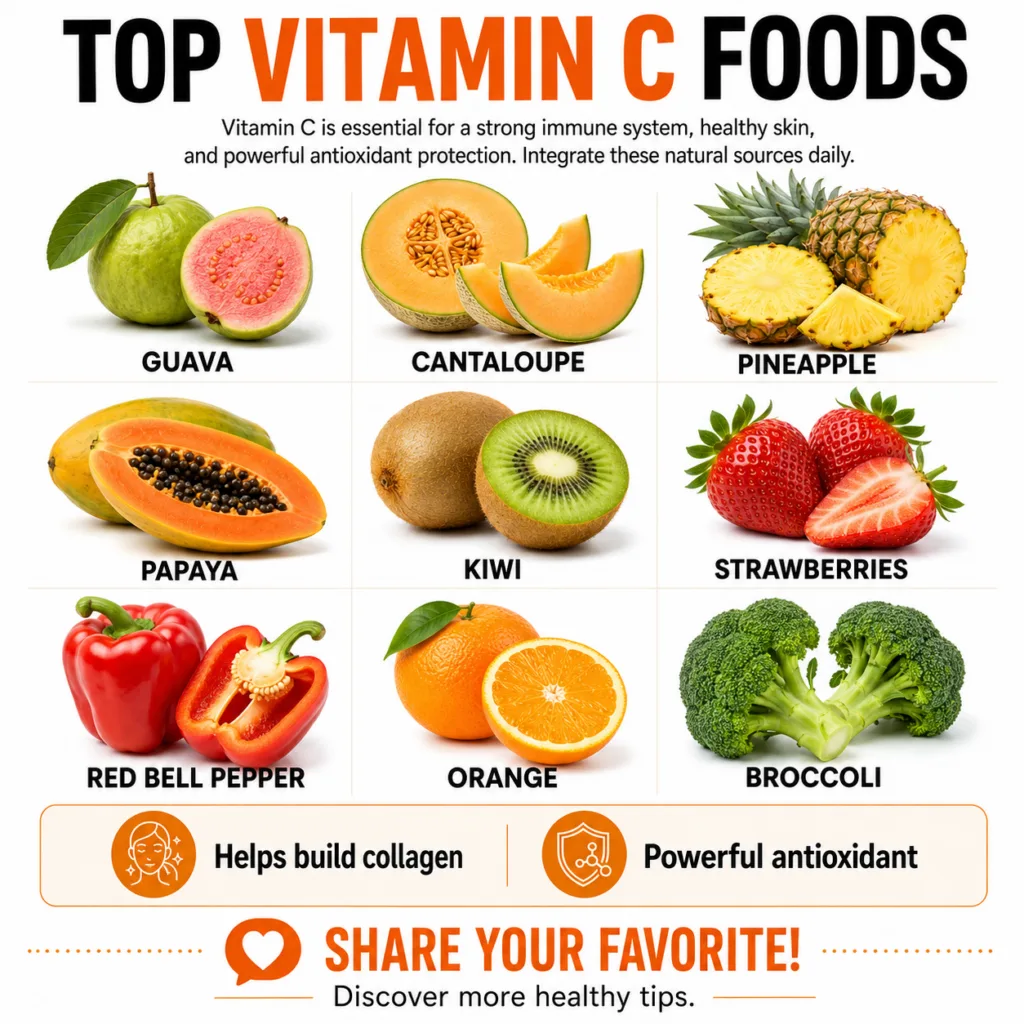
Guava
Often overlooked, guava is a tropical powerhouse. Just one medium guava can provide over 200% of your daily recommended Vitamin C intake. It’s also rich in fiber, which aids digestion, and other antioxidants. Enjoy guavas fresh, sliced in salads, or blended into smoothies for a unique, sweet-tart flavor.
Cantaloupe
This sweet, refreshing melon is a delightful source of Vitamin C. A quarter of a medium cantaloupe can provide a significant portion of your daily Vitamin C, along with Vitamin A (beta-carotene), which is great for vision and skin. Cantaloupe makes a perfect breakfast fruit, a refreshing snack, or an addition to fruit salads.
Pineapple
Pineapple offers a tangy-sweet flavor and is loaded with Vitamin C, contributing to immune health and collagen formation. It also contains bromelain, an enzyme that aids digestion and has anti-inflammatory properties. Enjoy fresh pineapple chunks, add it to stir-fries, or blend it into a tropical smoothie.
Papaya
Another tropical gem, papaya is an excellent source of Vitamin C, providing more than your daily needs in a single medium fruit. It also contains papain, an enzyme known for its digestive benefits, and antioxidants like carotenoids. Enjoy papaya fresh, in fruit salads, or as a vibrant addition to salsas.
Kiwi
Small but mighty, kiwis pack a substantial Vitamin C punch, often more than an orange per serving. They are also rich in Vitamin K, Vitamin E, and fiber. Their unique tangy-sweet flavor makes them a fantastic addition to fruit bowls, yogurt, or as a standalone snack. Just slice and scoop!
Strawberries
These beloved berries are not just delicious; they’re also bursting with Vitamin C. A cup of strawberries can provide more than your daily requirement. They are also rich in antioxidants and manganese. Enjoy them fresh, in smoothies, on oatmeal, or as a healthy dessert.
Red Bell Pepper
When it comes to vegetables, red bell peppers are Vitamin C superstars. A single medium red bell pepper contains significantly more Vitamin C than an orange! They’re also low in calories and rich in Vitamin A and fiber. Slice them for dips, sauté them in stir-fries, or roast them as a flavorful side dish.
Orange
The classic Vitamin C source, oranges are easy to find and incredibly versatile. One medium orange provides about 70-80% of the daily recommended Vitamin C, along with folate and potassium. Enjoy them fresh, as juice, or add segments to salads for a burst of citrus flavor.
Broccoli
Don’t underestimate this green cruciferous vegetable. Broccoli is an excellent source of Vitamin C, fiber, and other vital nutrients like Vitamin K and folate. Steamed, roasted, or lightly stir-fried, broccoli makes a nutritious addition to any meal. It’s particularly effective when paired with iron-rich foods, as Vitamin C enhances iron absorption.
Easy Ways to Boost Your Vitamin C Intake Daily
- Start with a Smoothie: Combine several Vitamin C-rich fruits like strawberries, kiwi, and pineapple with a liquid base for a quick and easy boost.
- Snack Smart: Keep sliced red bell peppers, cantaloupe, or oranges readily available for healthy snacks.
- Salad Power: Add sliced bell peppers, strawberries, or kiwi to your lunch or dinner salads.
- Breakfast Bowls: Top your yogurt or oatmeal with fresh berries, papaya, or pineapple.
- Savory Dishes: Incorporate broccoli and bell peppers into stir-fries, omelets, or pasta dishes.
- Tropical Twist: Experiment with less common fruits like guava and papaya in your diet for variety and unique flavor.
Frequently Asked Questions About Vitamin C
Q: Can I get too much Vitamin C from food?
A: It’s highly unlikely to consume too much Vitamin C from food alone. Your body typically excretes any excess through urine. High doses from supplements may lead to mild digestive upset, but this is rare with dietary intake.
Q: What’s the best way to preserve Vitamin C in foods?
A: Vitamin C is sensitive to heat and light. To preserve it, eat fruits and vegetables raw whenever possible. If cooking, opt for steaming or light sautéing rather than boiling, and try to cook for shorter durations.
Q: Are frozen fruits and vegetables as good as fresh for Vitamin C?
A: Yes! Frozen fruits and vegetables are often picked at their peak ripeness and flash-frozen, which helps lock in nutrients, including Vitamin C. They can be just as nutritious, if not more so, than fresh produce that has traveled long distances.
Q: Who should focus more on Vitamin C intake?
A: Everyone benefits from adequate Vitamin C. However, smokers, individuals exposed to significant air pollution, and those under stress may have higher requirements due to increased oxidative stress.