Most people associate roses with beauty and cloves with spice, but few realize the incredible synergy they offer for achieving a radiant, ‘glass skin’ complexion. While many skincare routines involve complex steps and expensive products, a simple, homemade rose and clove preparation can diminish wrinkles and dark spots, revealing a natural, makeup-optional glow. This isn’t about covering up; it’s about nourishing your skin from within using time-tested ingredients.
What is This DIY Rose & Clove Remedy?
Our DIY Rose & Clove remedy is a simple, plant-based preparation designed to harness the natural properties of these two potent ingredients for skin health. It typically involves creating an infused liquid, such as a toner or a gentle oil, that can be applied topically. The goal is to deliver a concentrated dose of antioxidants, anti-inflammatory compounds, and nourishing elements directly to your skin, promoting clarity, elasticity, and an even tone. This isn’t a magical overnight transformation, but a consistent, gentle approach to natural skincare.
Ingredients You’ll Need
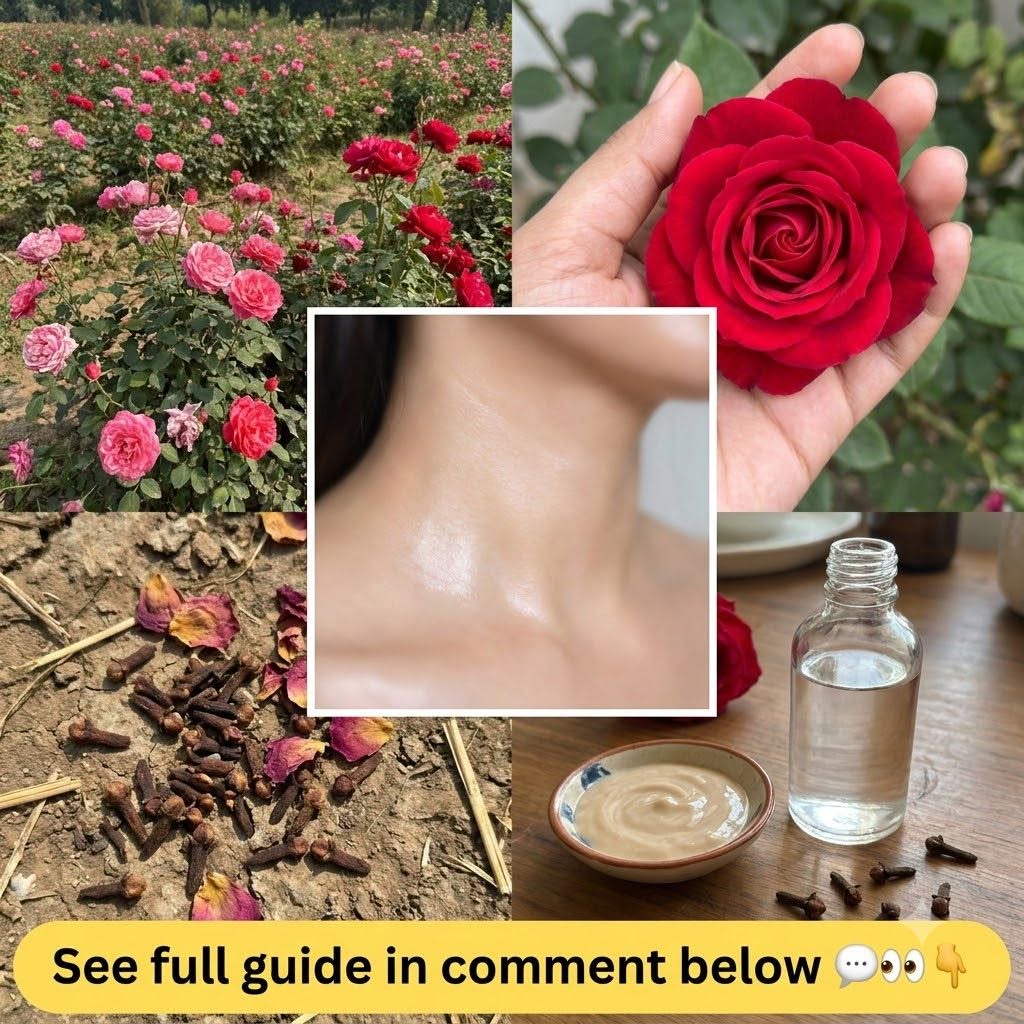
The beauty of this remedy lies in its simplicity. You’ll only need a few key items:
- Dried Rose Petals: Opt for organic, culinary-grade dried rose petals (Rosa damascena or Rosa centifolia are ideal). Ensure they are free from pesticides or artificial fragrances.
- Whole Cloves: Choose fresh, aromatic whole cloves. Avoid ground cloves as they can be too abrasive and difficult to filter.
- Carrier Liquid: Depending on your preference, you can use distilled water for a toner, or a light carrier oil like jojoba, sweet almond, or grapeseed oil for an infused oil.
- Optional additions: A few drops of vegetable glycerin for added hydration (for water-based toners).
Approximate Measurements
Precision isn’t always key in natural remedies, but these measurements provide a good starting point:
- For Rose & Clove Toner (Water-based):
- 2 tablespoons dried rose petals
- 1 teaspoon whole cloves
- 1 cup distilled water
- For Rose & Clove Infused Oil:
- 1/4 cup dried rose petals
- 1 tablespoon whole cloves
- 1 cup carrier oil (jojoba, sweet almond, or grapeseed)
Fresh vs. Dried: What’s Best?
| Feature | Fresh Rose Petals | Dried Rose Petals |
|---|---|---|
| Availability | Seasonal, garden-dependent | Year-round, easy to store |
| Potency | Higher volatile compounds, but less concentrated per volume | More concentrated nutrients, longer shelf life |
| Risk of Mold | Higher in water-based preparations | Lower due to moisture removal |
| Pesticides | Risk if not organic/homegrown | Always choose organic, culinary grade |
| Convenience | Requires immediate use | Ready to use, no pre-processing |
Formula & Recipe: Rose & Clove ‘Glass Skin’ Toner
This recipe focuses on a water-based toner, ideal for daily refreshment and balancing skin.
Step-by-Step Method
- Prepare Ingredients: Gather your dried rose petals and whole cloves. Lightly bruise the cloves with the back of a spoon or a mortar and pestle to release their aromatic oils.
- Combine with Water: Place the rose petals and bruised cloves in a heat-proof glass jar. Bring 1 cup of distilled water to a boil, then immediately pour it over the rose and clove mixture in the jar.
- Steep: Cover the jar tightly. Allow the mixture to steep for at least 30 minutes, or up to several hours, until the liquid cools completely. The longer it steeps, the stronger the infusion will be.
- Strain: Once cooled, strain the liquid through a fine-mesh sieve or cheesecloth into a clean, sterilized glass bottle. Squeeze out any remaining liquid from the solids.
- Optional Glycerin: If desired, add 1-2 teaspoons of vegetable glycerin to the strained toner for extra hydration. Shake well to combine.
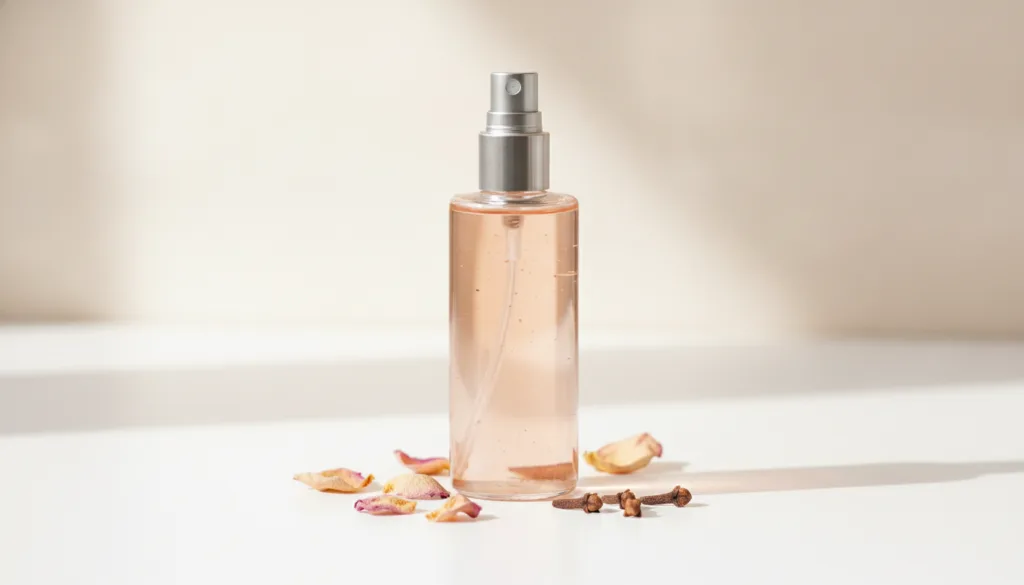
- Store: Transfer to an airtight, dark glass bottle with a spray top or dropper for easy application.
How to Use Your Rose & Clove Toner
After cleansing your face, spritz the toner directly onto your skin or apply it with a cotton pad. Gently pat it into your skin until absorbed. Follow up with your favorite serum and moisturizer. This toner can be used on your face, neck, and décolletage.
How Often to Use
This gentle toner is suitable for daily use, both morning and night. Consistency is key for seeing results. If you experience any sensitivity, reduce usage to once a day or every other day.
How to Buy / How to Choose Ingredients
The quality of your ingredients directly impacts the effectiveness and safety of your remedy.
- Rose Petals: Always source organic, culinary-grade dried rose petals. Look for reputable herbal suppliers or organic food stores. Avoid craft store roses, which are often treated with chemicals.
- Cloves: Purchase whole, fresh cloves from a spice shop or the spice aisle of a well-stocked grocery store. Ensure they are fragrant and firm.
- Water: Use distilled water to prevent mineral buildup and extend shelf life, as tap water can introduce impurities.
Quick Tip: When buying dried herbs, always check the harvest date and look for vibrant color and strong natural aroma. Faded color or a lack of scent indicates older, less potent material.
Storage
Store your homemade Rose & Clove Toner in a clean, airtight, dark glass bottle in the refrigerator. This helps maintain its freshness and extends its shelf life. Due to its water base, it’s susceptible to bacterial growth.
Practical Tips for ‘Glass Skin’
- Patch Test: Always perform a patch test on a small area of skin (e.g., inner forearm) before applying the toner to your entire face to check for any reactions.
- Cleanliness is Key: Ensure all your equipment (jars, bottles, strainers) is thoroughly cleaned and sterilized to prevent contamination.
- Sun Protection: While this toner can help with dark spots, consistent sun protection (SPF 30+) is crucial to prevent new ones and protect your skin.
- Hydration: ‘Glass skin’ is all about hydration. Drink plenty of water and follow up your toner with a good moisturizer.
Common Mistakes to Avoid
- Using Tap Water: Tap water contains minerals and chlorine that can shorten the shelf life of your toner and potentially irritate skin. Always use distilled water.
- Skipping Sterilization: Not sterilizing your equipment can introduce bacteria, leading to a spoiled product and potential skin issues.
- Using Fragranced Roses: Roses intended for decorative purposes are often sprayed with perfumes or pesticides, which are harmful to skin. Stick to culinary-grade.
- Over-Steeping: While you want a potent infusion, over-steeping the cloves can sometimes lead to a very strong, potentially irritating product. Taste your water-based infusion after 30 minutes to judge strength.
- Expecting Instant Results: Natural remedies work gradually. Consistency and patience are vital.
- Poor Storage: Leaving water-based toners at room temperature significantly reduces their shelf life and increases the risk of mold and bacteria.
Cautions / Who Should Avoid It
While generally safe, individuals with very sensitive skin, known allergies to roses or cloves, or certain skin conditions (like severe rosacea or eczema) should exercise caution. Cloves can be potent; if you notice any redness, itching, or irritation, discontinue use immediately. Pregnant or breastfeeding individuals should consult with a healthcare professional before introducing new remedies.
Did You Know? Cloves contain eugenol, a compound with natural antiseptic and anti-inflammatory properties, while roses are rich in antioxidants like Vitamin C, which can help with skin brightening and collagen support.
Quick Summary: Your Rose & Clove ‘Glass Skin’ Guide
- Best Preparation: Water-based toner for daily hydration and balancing. Oil infusion for deeper nourishment.
- Best Use-Case: Targeting dark spots, fine lines, enhancing natural radiance, and achieving a hydrated, plump complexion.
- Storage: Refrigerate water-based toner in a dark, airtight bottle for up to 1-2 weeks. Oil infusions last longer in a cool, dark place.
- When to Use: Morning and night after cleansing for toners; at night for oil infusions.
- What to Avoid: Tap water, non-organic/fragranced roses, unsterilized equipment, expecting immediate results.
FAQ
- Can I use fresh rose petals? Yes, but ensure they are organic and free of pesticides. Use more fresh petals as their potency is less concentrated than dried. Be aware fresh petals also increase the risk of spoilage in water-based preparations.
- How long does the toner last? When refrigerated, the water-based toner typically lasts 1-2 weeks. Always check for changes in smell or appearance, which indicate spoilage.
- Can I use ground cloves? It’s not recommended for toners as they are harder to strain and can leave gritty particles. Whole, bruised cloves are best.
- Will this make my skin sensitive to the sun? While this remedy itself isn’t known to cause photosensitivity, sun protection is always crucial, especially when addressing dark spots and skin clarity.
- Can I add essential oils? It’s generally not necessary, as rose and clove provide natural aroma and benefits. If you do, use high-quality, diluted essential oils, and always patch test.
- What type of skin is this best for? This toner is generally suitable for most skin types, particularly those looking to improve skin tone, reduce hyperpigmentation, and add a healthy glow. Those with very sensitive skin should perform an extra cautious patch test.
- Can I use this on my body? Absolutely! It can be a refreshing and beneficial treatment for areas like the chest, shoulders, or arms.

Embrace Your Natural Radiance
The journey to ‘glass skin’ doesn’t have to be complicated or expensive. By embracing the power of natural ingredients like rose and clove, you can cultivate a routine that nourishes your skin, addresses common concerns like wrinkles and dark spots, and unveils your inherent luminosity. This DIY approach not only gives you control over what goes on your skin but also connects you to ancient wellness traditions. Give it a try, be consistent, and let your natural glow shine through.