You might walk past it every day, dismissing it as just another weed. Yet, this unassuming green, often found thriving where little else does, holds a surprising secret. While human interactions can sometimes fall short, nature, in its quiet wisdom, often provides the most unexpected answers – and this plant is a prime example.
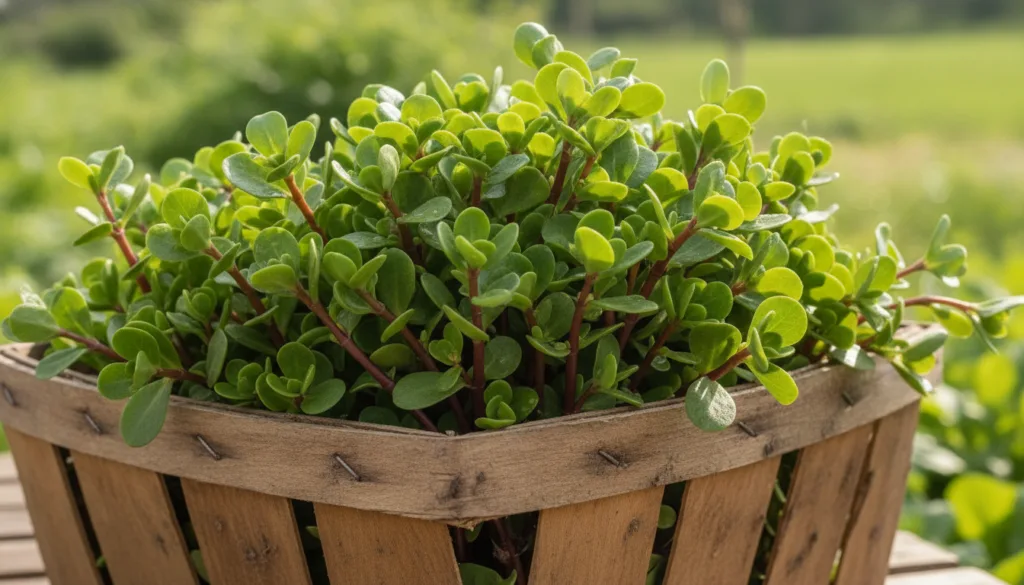
Known commonly as purslane (Portulaca oleracea), this resilient succulent plant, with its plump leaves and reddish stems, is a powerhouse of nutrition and a valuable addition to your natural remedy toolkit. Unlike many delicate garden plants, purslane thrives in diverse conditions, making it one of the most accessible wild edibles you can find.

What is Purslane and Why Should You Care?
Purslane is a low-growing, succulent annual plant, often found in gardens, fields, and even cracks in pavements. Its distinguishing features include fleshy, spoon-shaped leaves and thick, reddish stems that creep along the ground. It produces tiny yellow flowers, usually in the morning. What makes purslane stand out is its exceptional nutritional profile, boasting more omega-3 fatty acids than any other leafy green, along with a rich supply of antioxidants, vitamins (A, C, E, and B-complex), and minerals like magnesium, calcium, potassium, and iron.
Ingredients for a Simple Purslane Tonic
Harnessing purslane’s benefits is straightforward. For a nourishing tonic or juice, you only need one core ingredient:
- Fresh Purslane: About 1-2 cups, packed loosely.
Approximate Measurements
- 1-2 cups fresh purslane (stems and leaves)
- ½ cup purified water (optional, for blending)
- Optional additions: a squeeze of lemon juice, a small apple slice, or a few mint leaves for taste.
Formula / Recipe: Fresh Purslane Juice
This simple juice is an excellent way to get a concentrated dose of purslane’s nutrients.
Step-by-Step Method
- Harvest/Clean: Gently gather fresh purslane. Look for vibrant green leaves and firm, reddish stems. Wash thoroughly under cool running water, paying attention to remove any soil or tiny insects. Pat dry gently with a clean cloth or paper towel.
- Chop (Optional): For easier blending, coarsely chop the purslane.
- Blend: Place the chopped purslane in a blender. Add about ½ cup of purified water. If you’re adding lemon, apple, or mint, add them now.
- Process: Blend until smooth. You may need to add a tablespoon or two more water to reach your desired consistency, but aim for a relatively thick liquid.
- Strain (Optional): For a smoother juice, pour the mixture through a fine-mesh sieve or cheesecloth, pressing out all the liquid. For maximum fiber and nutrient retention, consume the unstrained pulp.
- Serve: Pour into a glass and enjoy immediately.
How to Use Your Purslane Tonic
The fresh purslane tonic is best consumed immediately after preparation to maximize its nutrient content. It has a slightly tangy, refreshing, and somewhat lemony flavor.
How Often to Use
For general wellness, consuming 4-6 ounces of this fresh tonic 2-3 times a week is a good starting point. You can increase frequency based on your comfort and needs. Listen to your body and adjust accordingly.
How to Buy / How to Choose Ingredients
Foraging: Purslane is abundant in many areas during warmer months. When foraging, always ensure you are 100% certain of identification and harvest from areas free from pesticides, herbicides, or heavy pollution (e.g., away from roadsides). Look for healthy, vibrant plants.
Buying: Some farmers’ markets and specialty grocery stores now carry purslane. Choose bunches with crisp, firm leaves and stems. Avoid any wilted, yellowing, or slimy-looking plants.
Storage
Fresh purslane can be stored in the refrigerator for up to a week. Wrap it loosely in a damp paper towel and place it in a plastic bag or an airtight container. Do not wash until you are ready to use it, as excess moisture can accelerate spoilage.
Quick Tip: Fresh vs. Dried Purslane
While fresh purslane is ideal for its vibrant flavor and full nutrient spectrum, dried purslane can still be beneficial. Dried leaves can be added to soups or stews, though the succulent texture and some of the water-soluble nutrients will be lost.
Practical Tips for Purslane
- Add to Salads: The tangy, slightly peppery flavor and crunchy texture of fresh purslane make it an excellent addition to any salad.
- Smoothie Booster: Blend a handful into your morning smoothie for an extra nutritional kick.
- Topical Use: Macerated (crushed) fresh purslane can be applied as a poultice to minor skin irritations or insect bites.
- Cooking: Use it lightly sautéed, steamed, or added to stir-fries towards the end of cooking to retain its crunch.
Common Mistakes to Avoid
- Misidentification: Ensure you correctly identify purslane. There are similar-looking plants, but few have the distinctive reddish stem and fleshy, paddle-shaped leaves. If in doubt, do not consume.
- Harvesting from Contaminated Areas: Avoid harvesting from roadsides, industrial areas, or lawns treated with chemicals.
- Over-Boiling: If cooking, avoid prolonged boiling, which can diminish its nutrient content and unique texture.
- Improper Storage: Storing wet purslane will lead to faster spoilage. Always dry before refrigerating.
Cautions / Who Should Avoid It
While generally safe for most people in moderation, purslane is high in oxalates. Individuals prone to kidney stones should consume it sparingly or consult with a healthcare professional. Pregnant and breastfeeding women should also exercise caution and seek medical advice before incorporating large amounts into their diet, as with any new herb or remedy.
Quick Summary: Your Purslane Cheat Sheet
- Best Preparation: Fresh juice or raw in salads for maximum nutrient retention.
- Best Use-Case: General wellness, nutrient boost, minor topical irritations.
- Storage: Refrigerate dry and loosely wrapped for up to 7 days.
- When to Use: Regularly, 2-3 times a week, as part of a balanced diet.
- What to Avoid: Misidentification, contaminated harvesting sites, overcooking, excessive intake if prone to kidney stones.
FAQ: Your Top Purslane Questions Answered
- Can I use fresh or dried purslane for the tonic?
- Fresh purslane is highly recommended for tonics and juices to capture its full succulent texture and complete nutrient profile. Dried purslane is better suited for culinary uses like stews where rehydration occurs.
- How long does fresh purslane juice last?
- For optimal benefits, consume fresh purslane juice immediately. Its nutrient content starts to degrade quickly once exposed to air.
- Can I refrigerate purslane juice?
- You can refrigerate it for a few hours in an airtight container, but it’s best to make small batches and drink them fresh. The flavor and nutritional value will diminish over time.
- How often should I use purslane for skin issues?
- For topical applications like a poultice, you can apply it 1-2 times daily as needed, for a few days, observing skin response.
- What part of the purslane plant is best to use?
- Both the leaves and the succulent stems are edible and beneficial. The flowers are also edible, though usually less substantial.
- Are there any specific seasons for harvesting purslane?
- Purslane thrives in warm weather and is typically abundant from late spring through early autumn, often flourishing even in hot, dry conditions where other plants struggle.
- Can I grow purslane at home?
- Absolutely! Purslane is very easy to grow from seed or even cuttings. It prefers full sun and well-drained soil and can be grown in pots or directly in the garden.
Next time you see this humble green pushing through the soil, don’t just walk past. Purslane is a testament to nature’s profound generosity, offering a wealth of nutrients and a simple path to incorporating more wild goodness into your life. It truly can be an unexpected answer to your wellness needs.
You may also like: The Benefits of Dandelion Tea: More Than Just a Weed
Read more: Making Your Own Herbal Infused Oils