Composting Made Simple: Turn Kitchen Waste into Garden Gold!
Are you looking for a simple, eco-friendly way to boost your garden’s health and reduce household waste? Look no further than composting! Composting transforms your everyday kitchen scraps and garden refuse into a nutrient-rich soil amendment often called ‘black gold.’ It’s easier than you think and offers incredible benefits for your plants, your wallet, and the planet.
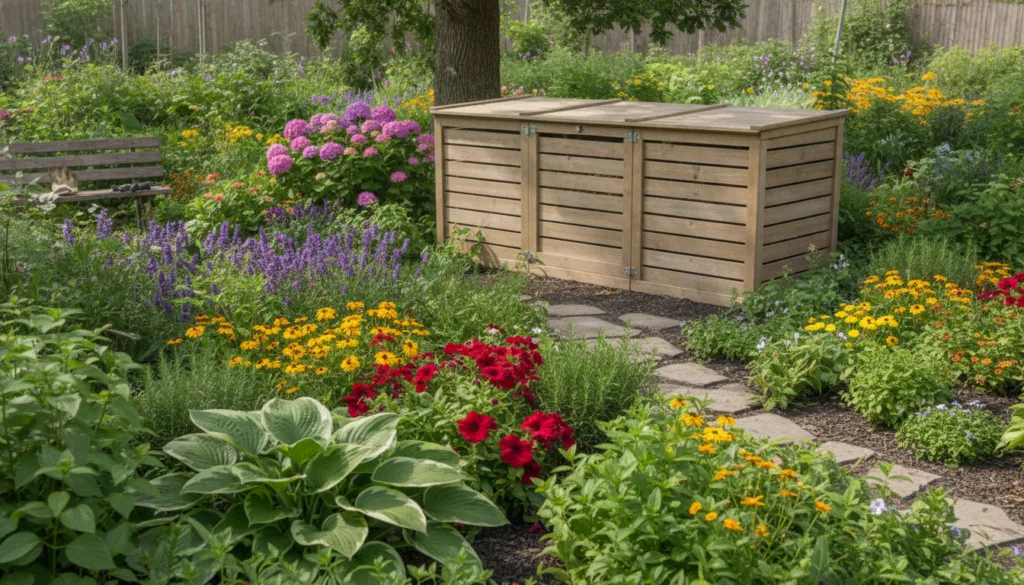
Why Compost? The Incredible Benefits for Your Garden
Composting isn’t just about diverting waste from landfills; it’s about creating a powerhouse for your garden. Here’s why you should start composting today:
- Enriches Soil: Compost adds essential nutrients, microorganisms, and organic matter back into your soil, improving its structure and fertility. This means healthier, stronger plants that are more resistant to pests and diseases.
- Improves Soil Drainage & Aeration: For heavy clay soils, compost lightens the texture, improving drainage. For sandy soils, it helps retain moisture and nutrients.
- Reduces Waste: Think about all those fruit and vegetable peels, coffee grounds, and fallen leaves. Composting significantly reduces the amount of household waste you send to the landfill.
- Saves Money: Why buy expensive soil amendments and fertilizers when you can make your own for free?
- Supports Sustainable Gardening: It’s a foundational practice for organic and sustainable gardening, reducing your environmental footprint.
What Can You Compost? Your Kitchen & Garden’s Bounty!
The beauty of composting is that many common household items can be transformed. You’ll want a good balance of ‘greens’ (nitrogen-rich) and ‘browns’ (carbon-rich).
Green Materials (Nitrogen-Rich):
- Fruit and vegetable scraps (peels, cores, wilted produce)
- Coffee grounds and tea bags
- Grass clippings (use sparingly, as they can become slimy)
- Green leaves
- Plant trimmings (non-diseased)
- Eggshells
Brown Materials (Carbon-Rich):
- Dried leaves
- Twigs and small branches (chopped)
- Shredded newspaper and cardboard (non-glossy, non-colored)
- Straw or hay
- Sawdust (from untreated wood)
- Paper towel/toilet paper rolls
What NOT to Compost: A Few Important Exceptions
While composting is versatile, some items should always be kept out of your pile to prevent pests, odors, and the spread of disease:
- Meat, bones, fish, and dairy products: Attract pests and create foul odors.
- Oils, fats, and grease: Attract pests and can slow down decomposition.
- Diseased or pest-infested plants: Can spread pathogens to your finished compost and garden.
- Weeds with seeds: You risk spreading weeds throughout your garden.
- Pet waste: Contains harmful pathogens.
- Treated wood: Contains chemicals that can leach into your compost.
Starting Your Compost Pile: A Step-by-Step Guide
You don’t need fancy equipment to start. A simple pile or a designated bin works wonders!
1. Choose Your Location:
Select a spot that’s well-drained, easily accessible, and preferably in partial shade to prevent your pile from drying out too quickly. Keep it away from your house to avoid potential pest issues.
2. Select Your Composting Method:
- Open Pile: The simplest method. Just stack materials in a designated area.
- Compost Bin: Commercial bins are available, or you can build your own from pallets or wire mesh. These help contain the pile and maintain heat.
- Tumbler: A sealed drum that rotates, making turning easy and often speeding up the composting process.
3. Layer Your Materials:
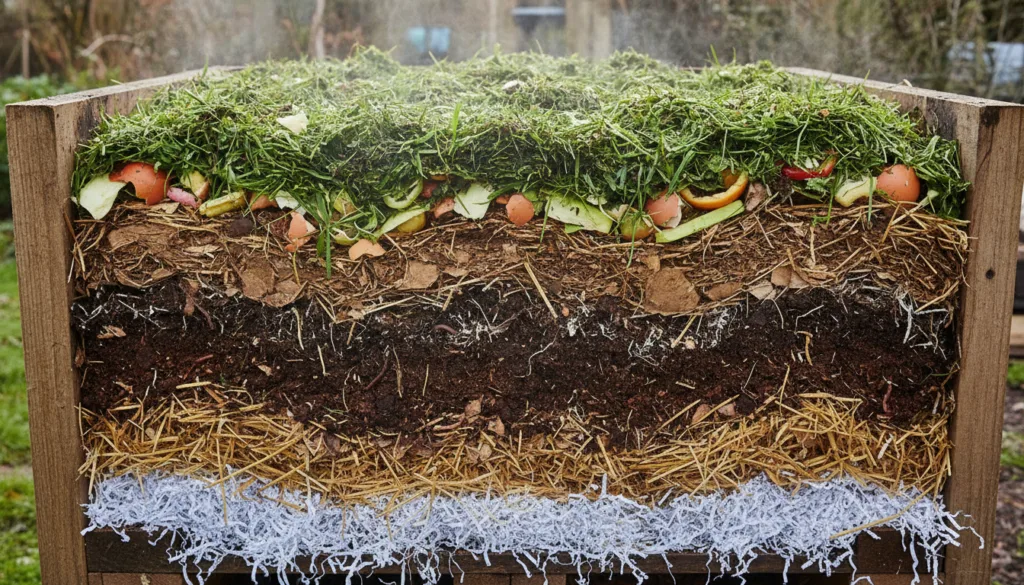
Start with a layer of coarse browns (like twigs or straw) at the bottom for drainage and aeration. Then, alternate layers of greens and browns, aiming for roughly a 2:1 or 3:1 ratio of browns to greens by volume. Chop larger materials into smaller pieces to speed up decomposition.
4. Add Moisture:
Your compost pile needs to be consistently moist, like a wrung-out sponge. Water it periodically, especially during dry spells. Too much water, however, can lead to a slimy, smelly mess.
5. Turn Your Pile:
Turning or ‘aerating’ your compost pile regularly (once a week or every few weeks) introduces oxygen, which is crucial for the beneficial microbes that break down organic matter. This also helps to mix the materials and speeds up decomposition. If you’re using a tumbler, just give it a few spins!
When is Your Compost Ready?
Your compost is ready when it’s dark brown, crumbly, and smells like fresh earth. You shouldn’t be able to recognize the original materials. Depending on the method and materials, this can take anywhere from a few weeks to several months.
Using Your Homemade Black Gold
Once your compost is ready, the real fun begins! You can use it in countless ways to enrich your garden:
- Soil Amendment: Mix it into your garden beds before planting to improve soil structure and fertility.
- Top Dressing: Spread a layer of compost around the base of existing plants, trees, and shrubs.
- Potting Mix: Combine compost with other ingredients like perlite or vermiculite to create your own nutrient-rich potting mix.
- Seed Starting: Use fine, screened compost in your seed-starting mixes for a healthy boost.
Start Your Composting Journey Today!
Composting is a rewarding practice that connects you more deeply with nature’s cycles and gives back to your garden in invaluable ways. It’s a simple change that makes a huge difference, transforming what would be waste into a precious resource. So, gather your kitchen scraps and garden trimmings, and get ready to create your own batch of garden gold!
Happy composting, fellow gardeners!