Are you looking for a sustainable, cost-effective, and natural way to give your garden plants the nutrients they crave? Look no further than your very own kitchen! Turning everyday kitchen scraps into homemade fertilizer is not only a fantastic way to reduce waste but also a powerful method to nourish your plants and create a thriving, vibrant garden.
At Garden – L. Quyên, we’re all about making gardening accessible and impactful. This guide will walk you through how to transform your kitchen waste into garden gold, fostering healthier plants and a greener lifestyle.
Why Turn Kitchen Scraps into Garden Gold?
Before we dive into the ‘how-to,’ let’s understand the incredible benefits of using homemade fertilizers from kitchen scraps:
- Nutrient-Rich Goodness: Kitchen scraps are packed with essential nutrients like nitrogen, potassium, calcium, and phosphorus, all vital for plant growth, strong roots, and abundant blooms or harvests.
- Eco-Friendly & Sustainable: By repurposing food waste, you reduce landfill contributions and your carbon footprint, embracing a truly sustainable gardening practice.
- Cost-Effective: Say goodbye to expensive commercial fertilizers! Your kitchen provides a continuous supply of free, natural plant food.
- Improves Soil Health: Organic matter from kitchen scraps enriches your soil, improving its structure, water retention, and microbial activity, which in turn leads to healthier plants.
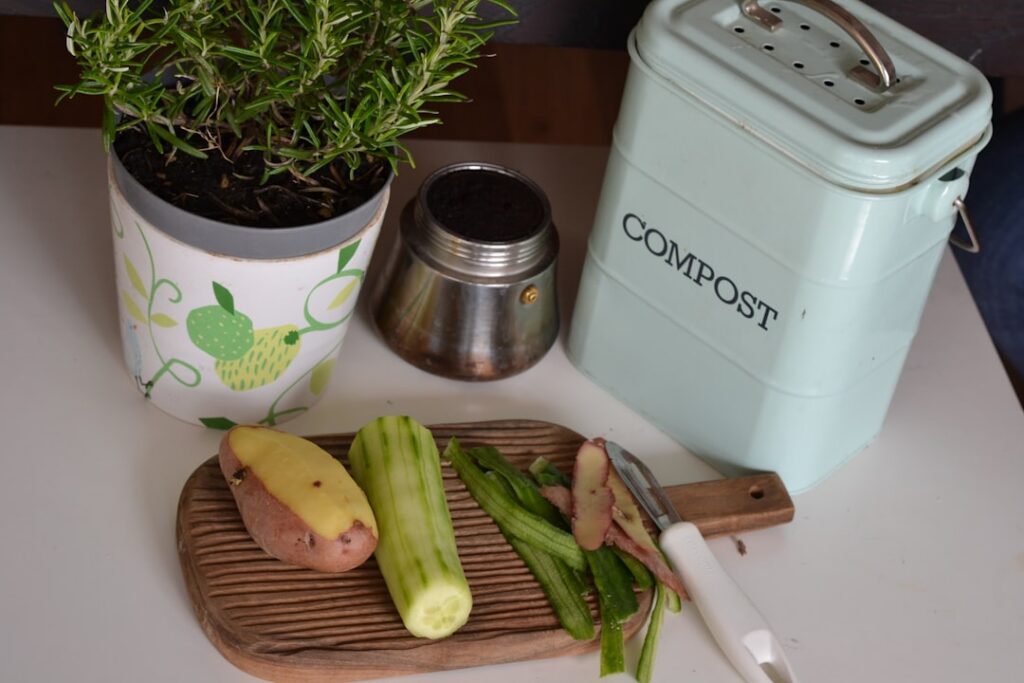
The Best Kitchen Scraps for Your Garden
Not all scraps are created equal for your garden. Here’s a list of common kitchen items that make excellent fertilizer:
- Fruit and Vegetable Scraps: Peels, cores, and discarded pieces are full of micronutrients.
- Coffee Grounds: Rich in nitrogen, they can also help acidify soil, which is great for plants like blueberries, azaleas, and roses.
- Eggshells: An excellent source of calcium, crucial for strong cell walls and preventing blossom end rot in tomatoes and peppers.
- Tea Leaves & Tea Bags: Provide nitrogen and organic matter. Just remove any plastic or staples from tea bags.
- Banana Peels: High in potassium, essential for flowering and fruiting.
Simple Methods to Create Your Own Homemade Fertilizer
1. Compost Tea: A Nutrient Boost for Thirsty Plants
Compost tea is a liquid fertilizer that delivers a quick shot of nutrients to your plants, either through soil drenching or foliar spray. It’s like a power drink for your garden!
- Gather Scraps: Collect fruit and vegetable scraps, coffee grounds, and tea leaves. Avoid anything oily or meat-based.
- Chop & Combine: Roughly chop your scraps into smaller pieces to speed up decomposition.
- Steep: Place your chopped scraps (or a mix of scraps and finished compost) into a porous bag (like an old pillowcase or mesh bag). Submerge the bag in a bucket of non-chlorinated water (rainwater or tap water left out for 24 hours).
- Brew: Let it steep for 24-48 hours. Stir daily to aerate. The water will turn brown, indicating nutrient extraction.
- Dilute & Apply: Strain the liquid, then dilute it with water until it resembles weak tea. Apply directly to the soil around your plants or use a sprayer for foliar feeding.
2. Direct Burial: Feeding Plants from Below
This is one of the simplest methods. It feeds the soil life, which in turn feeds your plants slowly and steadily.
- Dig a small trench or hole (about 6-8 inches deep) between rows of plants or near the base of individual plants (but not touching the stem).
- Bury fruit and vegetable scraps directly into the soil.
- Cover with soil completely to prevent pests and odors.
- The scraps will decompose naturally, releasing nutrients into the root zone over time.
3. Banana Peel Power: Potassium for Blooms and Fruits
Banana peels are superstars for flowering and fruiting plants due to their high potassium content.
- Chop and Bury: Simply chop banana peels into small pieces and bury them around the base of potassium-loving plants like roses, tomatoes, and peppers.
- Banana Peel Tea: Soak chopped banana peels in water for a few days, then use the nutrient-rich water to feed your plants.
4. Eggshell Calcium: Stronger Plants, Fewer Problems
Calcium is vital for plant structure and preventing issues like blossom end rot.
- Crush & Sprinkle: Rinse and dry eggshells, then crush them into a fine powder. Sprinkle the powder around the base of plants or mix it into the topsoil.
- Eggshell Water: Boil clean eggshells in water, let them steep overnight, and then use the cooled water to irrigate your plants.
5. Coffee Grounds: Nitrogen and Acidity
Used coffee grounds are a great source of nitrogen and can slightly acidify the soil.
- Direct Application: Sprinkle used coffee grounds directly onto the soil surface around acid-loving plants.
- Mix into Soil: Work coffee grounds into your soil during planting or top-dressing for a slow-release nitrogen boost.
Application Tips for Maximum Impact
- Don’t Overdo It: While natural, too much of a good thing can still harm plants. Start with smaller amounts and observe your plants’ reactions.
- Rotate Methods: Experiment with different types of homemade fertilizers to provide a wide range of nutrients.
- Observe Your Plants: Healthy plants will show vigorous growth and vibrant colors. If they look stressed, adjust your feeding schedule.
- Water After Application: Always water your plants after applying solid fertilizers to help nutrients penetrate the soil.
What to Avoid: Scraps That Don’t Belong in Your Fertilizer
For the health of your plants and to avoid attracting pests or creating foul odors, avoid these items:
- Meat, bones, and fish scraps
- Dairy products (milk, cheese, yogurt)
- Oily foods, fats, and grease
- Pet waste
- Diseased or pest-infested plant material
- Highly processed foods or baked goods
Conclusion
Embracing homemade fertilizers from kitchen scraps is a simple yet profound way to nurture your garden, reduce waste, and connect more deeply with the natural cycles of growth. It’s a testament to the power of sustainable living, proving that true abundance can be found in what we often discard.
Start experimenting with these methods today and watch your garden flourish with the natural goodness you provide. Happy gardening!