Master the Art of Pruning for Healthy Plants
Pruning might sound intimidating, but it’s one of the most essential practices for cultivating a thriving and beautiful garden. Far from just a cosmetic chore, proper pruning encourages robust growth, prevents disease, and helps your plants achieve their full potential. At Garden – L. Quyên, we believe every gardener, from novice to expert, can master this art. Let’s dive into the core techniques that will transform your garden!
Why Pruning is a Game-Changer for Your Garden
Many gardeners hesitate to prune, fearing they might harm their plants. However, the opposite is often true! Pruning is a critical maintenance task that offers numerous benefits:
- Boosts Plant Health: Removing dead, diseased, or damaged branches prevents the spread of pathogens and pests, allowing the plant to direct energy to healthy growth.
- Encourages Stronger Growth: Strategic cuts can stimulate new growth, improve air circulation, and encourage a more vigorous plant structure.
- Enhances Aesthetics: Shaping plants, promoting more flowers, or fostering a desired form contributes significantly to the beauty of your garden.
- Increases Yield: For fruit-bearing plants and vegetables, proper pruning can lead to a more abundant harvest.
- Rejuvenates Older Plants: Rejuvenation pruning can breathe new life into overgrown or struggling plants.
Essential Pruning Tools You’ll Need
Before you make your first cut, ensure you have the right tools. Clean, sharp tools make clean cuts, which heal faster and reduce the risk of disease.
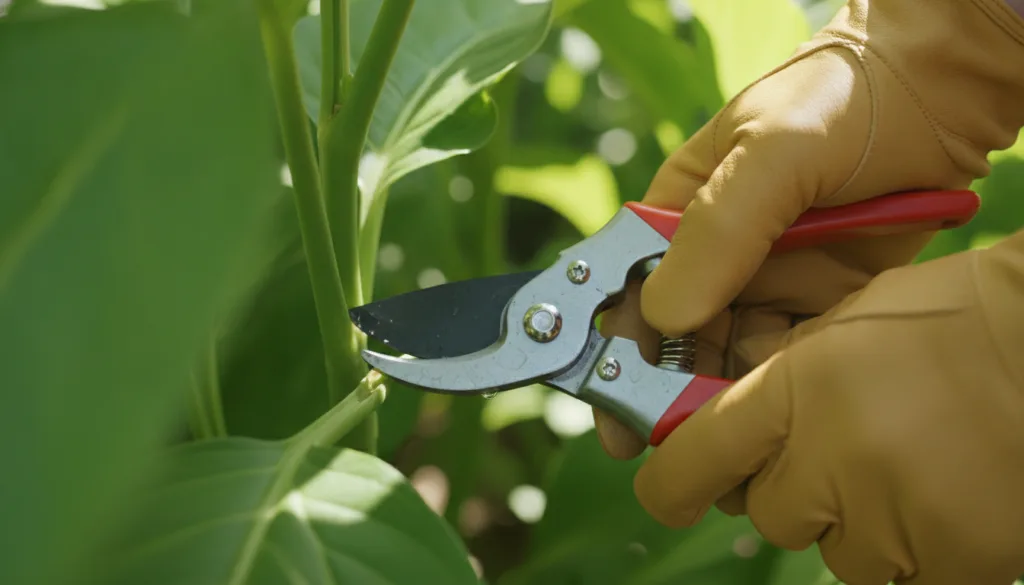
- Hand Pruners (Bypass or Anvil): Ideal for branches up to 3/4 inch thick. Bypass pruners offer cleaner cuts, while anvil pruners are good for dead wood.
- Loppers: For thicker branches, typically up to 1.5-2 inches in diameter, providing more leverage.
- Pruning Saw: Necessary for branches larger than 2 inches.
- Gloves: Protect your hands from thorns and sap.
- Rubbing Alcohol or Bleach Solution: For sterilizing tools between plants, especially if you’re dealing with diseased branches.
Key Pruning Cuts to Master for Optimal Plant Growth
Understanding these fundamental cuts will empower you to prune with confidence:
1. Thinning Cuts
Thinning cuts involve removing an entire branch back to its point of origin (a main stem, lateral branch, or the ground). These cuts are excellent for:
- Reducing Density: Improves air circulation within the plant, which helps prevent fungal diseases.
- Opening Up the Canopy: Allows more light to penetrate, reaching inner branches and promoting more even growth.
- Maintaining Natural Shape: Helps to manage size without sacrificing the plant’s natural form.
2. Heading Cuts
Heading cuts involve shortening a branch back to a bud, a lateral branch, or a specific length, rather than removing it entirely. This encourages the buds just below the cut to grow vigorously, resulting in:
- Bushier Growth: Promotes denser foliage and more branching.
- Increased Flower/Fruit Production: Can stimulate more blooms and fruit development.
- Shaping and Sizing: Useful for maintaining a desired size or creating formal shapes (e.g., hedges).
3. Removal Cuts (Dead, Diseased, Damaged)
This is perhaps the most crucial type of pruning. Identifying and removing dead, diseased, or damaged (the