When it comes to a wholesome, satisfying breakfast, oatmeal is a consistent champion. But the world of oats offers two distinct experiences: the comforting warmth of hot oatmeal and the convenient chill of overnight oats. Both options promise a nutritious start to your day, yet their preparation methods create unique textures, flavors, and potential impacts on how long you feel full. Understanding the nuances between them can help you optimize your morning energy and satiety.
Many wonder: does one truly keep you full longer than the other? We’ll dive into the differences, explore their unique benefits, and uncover which breakfast might be your best bet for sustained energy throughout your morning.
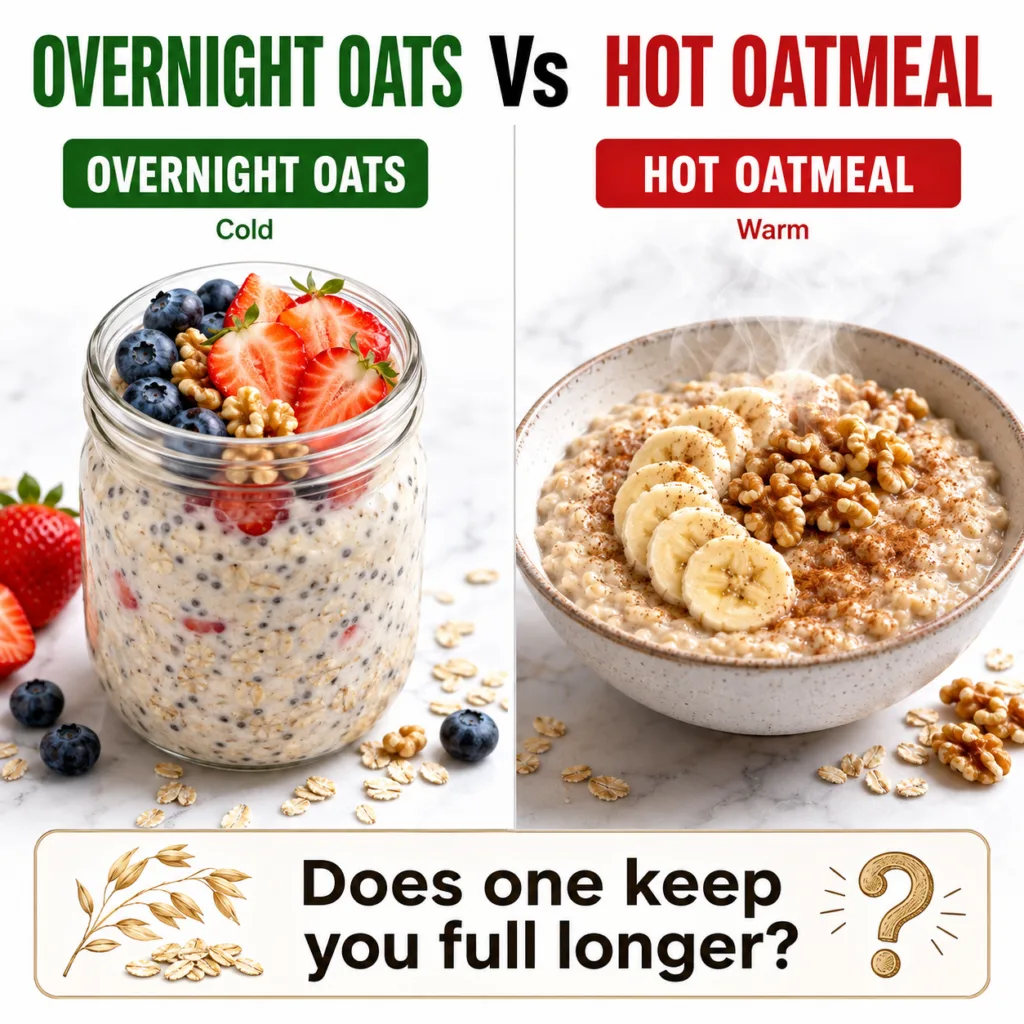
Overnight Oats: The Chilled Convenience for Busy Mornings
Overnight oats have surged in popularity as the ultimate grab-and-go breakfast. The beauty lies in their simplicity: no cooking required. You combine rolled oats with a liquid (like milk or plant-based milk), a sweetener, and your favorite toppings, then let it chill in the refrigerator overnight. The oats soften as they absorb the liquid, resulting in a creamy, pudding-like consistency that’s ready to eat the moment you wake up.
The Science Behind the Chill
The no-cook method of overnight oats is not just about convenience; it also has a unique nutritional advantage. When oats are soaked, particularly without heat, they can form more resistant starch. This type of starch resists digestion in the small intestine and ferments in the large intestine, feeding beneficial gut bacteria. This process can contribute to a feeling of fullness and support digestive health.
Basic Overnight Oats Recipe
This simple recipe is inspired by the vibrant toppings often seen with overnight oats, making it a delicious and satisfying breakfast.
- Servings: 1
- Prep time: 5 minutes
- Chill time: 8 hours (overnight)
Ingredients:
- 1/2 cup rolled oats (not instant)
- 1 cup milk (dairy or plant-based)
- 1 tablespoon chia seeds (optional, for extra thickness and fiber)
- 1 teaspoon maple syrup or honey (adjust to taste)
- 1/4 cup mixed fresh berries (strawberries, blueberries)
- 1 tablespoon walnuts, chopped
Instructions:
- In a jar or airtight container, combine the rolled oats, milk, chia seeds (if using), and maple syrup or honey.
- Stir well to ensure all ingredients are thoroughly mixed and the oats are submerged.
- Cover the container and refrigerate for at least 8 hours, or overnight.
- In the morning, give it a quick stir. Top with fresh berries and chopped walnuts before serving cold.
Hot Oatmeal: The Comforting Warmth of Tradition
For many, hot oatmeal is a classic breakfast staple, evoking warmth and comfort. Cooked on the stovetop or in the microwave, the oats soften and become a thick, creamy porridge. This traditional preparation method is quick and yields a different texture compared to its chilled counterpart.
The Benefits of a Warm Start
Hot oatmeal is often perceived as more filling due to its warmth and immediate volume. The cooking process breaks down some of the starches, making them readily digestible. It’s an excellent choice for those who prefer a warm meal, especially during colder months, and its mild flavor profile makes it a versatile base for various sweet or savory toppings.
Basic Hot Oatmeal Recipe
Enjoy this comforting bowl of hot oatmeal, perfect for a cozy morning, inspired by the classic toppings.
- Servings: 1
- Prep time: 1 minute
- Cook time: 5-7 minutes
Ingredients:
- 1/2 cup rolled oats
- 1 cup water or milk (dairy or plant-based)
- Pinch of salt
- 1/2 banana, sliced
- 1 tablespoon walnuts, chopped
- 1/4 teaspoon ground cinnamon
Instructions:
- In a small saucepan, combine the rolled oats, water or milk, and a pinch of salt.
- Bring to a boil over medium-high heat, then reduce heat to low and simmer, stirring occasionally, for 5-7 minutes, or until the oats are tender and have absorbed most of the liquid.
- Remove from heat and pour into a bowl.
- Top with sliced banana, chopped walnuts, and a sprinkle of ground cinnamon. Serve warm.
The Core Question: Which Breakfast Keeps You Full Longer?
This is the million-dollar question for anyone looking to optimize their morning meal. Both overnight oats and hot oatmeal are excellent sources of fiber, particularly soluble fiber, which forms a gel-like substance in the digestive tract, slowing digestion and promoting satiety. However, subtle differences in their preparation and consumption temperature can influence how long that feeling of fullness lasts.
The Role of Resistant Starch in Overnight Oats
As mentioned, overnight oats, due to their cold, uncooked preparation, tend to have a higher content of resistant starch. This type of starch acts like dietary fiber, fermenting in the large intestine. The fermentation process produces short-chain fatty acids, which may signal satiety to the brain and help regulate appetite. This slower digestion can lead to a more sustained release of energy and a prolonged feeling of fullness.
The Impact of Warmth and Volume on Hot Oatmeal
Hot oatmeal, while not as rich in resistant starch, still delivers substantial fiber. Its warmth and immediate volume upon cooking can contribute to a quicker feeling of fullness. The hot liquid expands the oats, making the meal feel more substantial in the stomach right away. For some, the psychological comfort of a warm meal also plays a role in overall satisfaction and perceived satiety.
The Verdict: It’s Closer Than You Think
While overnight oats *may* offer a slight edge in sustained satiety due to resistant starch, the truth is that both options are incredibly effective at keeping hunger at bay. The key factors influencing fullness are:
- Fiber Content: Both are high in soluble fiber, which is crucial for satiety.
- Added Protein & Healthy Fats: What you add to your oats (nuts, seeds, protein powder, Greek yogurt) often makes a bigger difference in fullness than the preparation method itself.
- Portion Size: Eating an appropriate portion is essential for managing hunger.
- Individual Digestion: Everyone’s body responds slightly differently to various foods and temperatures.
Customizing Your Oats for Maximum Satiety
Regardless of whether you choose hot or cold oats, you can significantly boost their power to keep you full by focusing on these additions:
- Boost Protein: Stir in a scoop of your favorite protein powder, a spoonful of Greek yogurt, cottage cheese, or a sprinkle of hemp seeds. Protein is paramount for satiety.
- Add Healthy Fats: Almond butter, peanut butter, chia seeds, flax seeds, or extra walnuts provide healthy fats that slow digestion and add flavor.
- Pile on the Fiber: Fresh fruits like berries, apples, or bananas, along with extra chia or flax seeds, further increase the fiber content for sustained energy.
- Consider Volume: For hot oatmeal, simply adding more water or milk can increase the volume without adding significant calories, making it feel more filling.
Choosing Your Perfect Bowl: Considerations
Ultimately, the