Decoding Your Potting Soil: A Visual Guide for Healthier Plants
We all love seeing our plants thrive, their leaves glossy and their blooms vibrant. But what’s the secret ingredient behind a happy, healthy plant? Often, it’s not just about watering or sunlight – it’s about the very foundation your plant grows in: its potting soil. Think of potting soil as your plant’s home and primary food source. If its home isn’t right, your plant won’t be happy, and its health will suffer.
Understanding what your potting soil is telling you is a crucial skill for any gardener, from beginners to seasoned plant parents. This guide will help you visually decode the signs your soil gives you, ensuring your plants get the best possible start and continued care.
What Exactly is Potting Soil?
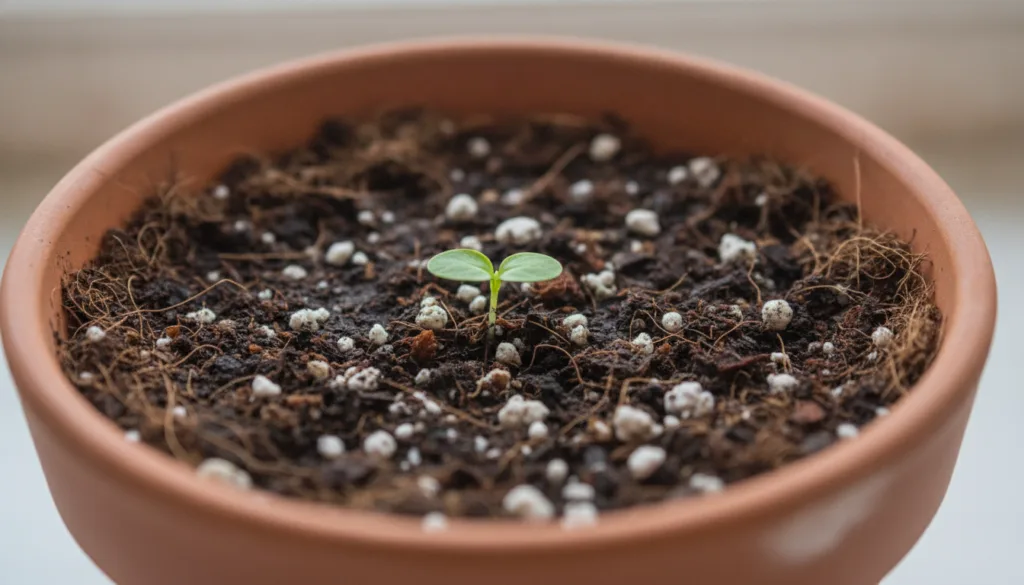
First, let’s clarify: potting soil isn’t actually ‘soil’ in the traditional sense. Garden soil, found outdoors, is rich in mineral content, clay, silt, and sand. Potting mix, however, is a soilless medium specifically designed for container plants. It’s lighter, drains better, and is sterilized to prevent pests and diseases. Common ingredients include peat moss, coco coir, perlite, vermiculite, compost, and sometimes slow-release fertilizers.
Signs Your Potting Soil is Unhealthy (And What to Do)
Your potting soil gives off clear signals when it’s not quite right. Learning to recognize these visual cues can save your plants from stress, disease, and even death.
1. Compaction: Hard as a Rock
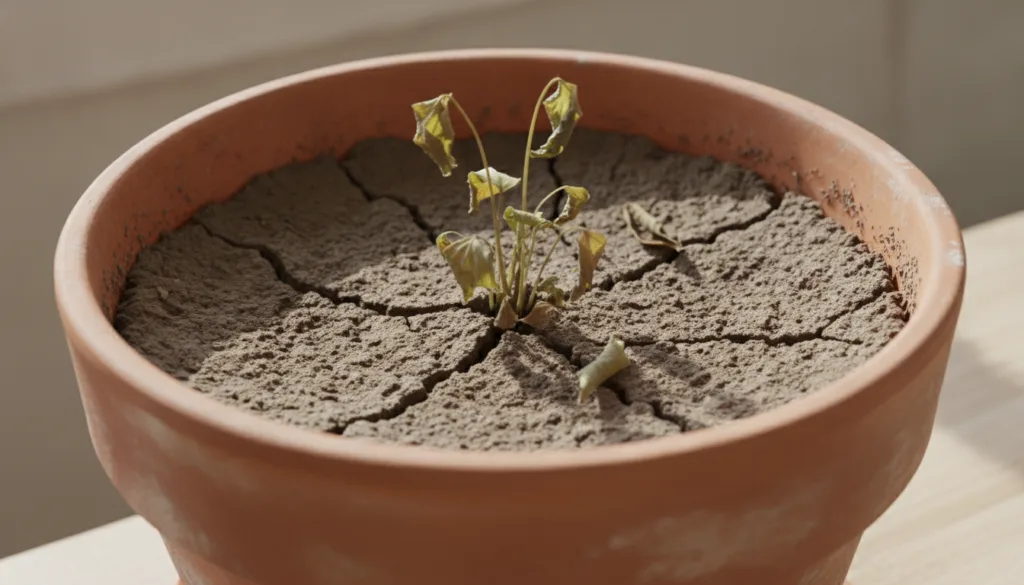
Visual Cue: The soil surface looks dense, hard, and cracked, pulling away from the sides of the pot. When you try to water, it might sit on top for a while before slowly soaking in, or even run straight down the sides, leaving the root ball dry.
What it Means: Compacted soil lacks air pockets, which are vital for root respiration and water penetration. Roots can’t grow freely, and the plant essentially suffocates while also struggling to absorb water and nutrients.
Solution: Gently aerate the soil. Use a chopstick or a thin stick to poke several holes down into the soil, being careful not to damage the main roots. For severe compaction, repotting with fresh, well-aerated soil might be necessary.
2. Fungus Gnats: Tiny Flying Pests
Visual Cue: You see tiny, dark, mosquito-like insects flying around your plants, especially when you water or disturb the pot. You might also notice tiny white larvae wiggling in the top layer of very moist soil.
What it Means: Fungus gnats thrive in overly moist potting soil, feeding on decaying organic matter and sometimes delicate plant roots. Their presence indicates persistent dampness.
Solution: Let the top inch or two of soil dry out completely between waterings. You can also try adding a layer of sand or diatomaceous earth to the soil surface to deter them. Yellow sticky traps are great for catching adult gnats. For persistent issues, consider using BTI (Bacillus thuringiensis israelensis) dunks in your watering can.
3. Mold or White Fuzzy Stuff
Visual Cue: A white, sometimes green or grey, fuzzy or powdery layer appears on the surface of the soil.
What it Means: This is typically harmless saprophytic fungus or mold, feeding on decaying organic matter in the soil. It often indicates consistently high humidity or overwatering. While usually not harmful to the plant directly, it suggests conditions that could lead to root rot.
Solution: Scrape off the moldy layer. Improve air circulation around the plant, and allow the soil to dry out more between waterings. If it persists, repotting into fresh soil might be the best option.
4. Crusty White Residue: Mineral Buildup
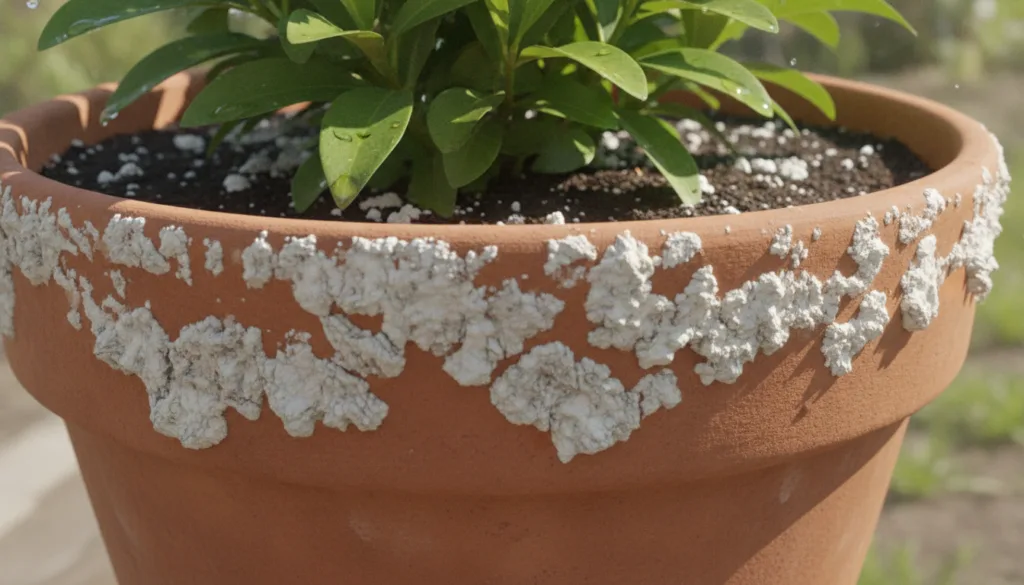
Visual Cue: A white or yellowish crust forms on the rim of the pot or on the soil surface, particularly around the stem of the plant.
What it Means: This is a buildup of minerals (salts) from tap water or fertilizers. Over time, these can become toxic to roots, affecting nutrient uptake and potentially causing root burn.
Solution: “Flush” the soil by watering thoroughly until water drains from the bottom, repeating this a few times with plain, distilled, or rainwater. You can also physically scrape off the crusty layer. Consider using filtered water or reducing fertilizer application.
5. Water Repellency or Excessive Soggy Soil
Visual Cue:
- Repellency: Water beads up and runs off the soil surface, or drains through too quickly without really soaking in. The soil feels very dry, even after watering.
- Soggy Soil: The soil stays wet for days, feels squishy, and might smell musty or sour. Leaves may turn yellow or drop, indicating root rot.
What it Means: Water repellency often happens when potting mix, especially peat-based, becomes too dry. The peat compacts and becomes hydrophobic. Soggy soil, conversely, usually means poor drainage, overwatering, or soil that’s broken down and lost its aeration.
Solution: For repellency, bottom-watering can help rehydrate the soil slowly. For soggy soil, check drainage holes, reduce watering frequency, and ensure the pot size is appropriate. For both, repotting into fresh, well-draining soil is often the best long-term fix, especially if the current soil is old and degraded.
6. Nutrient Depletion: Pale, Stunted Plants
Visual Cue: While not a direct soil visual, the plant itself shows signs: pale or yellowing leaves (especially older ones), stunted growth, weak stems, and few flowers. The soil itself might look lifeless, lacking dark, rich color.
What it Means: Over time, plants absorb nutrients from the potting mix. If not replenished through fertilization or repotting, the soil becomes depleted, leading to nutrient deficiencies in the plant.
Solution: Incorporate a balanced, slow-release fertilizer or use a liquid fertilizer during watering (following package directions). Regular repotting into fresh potting mix every 1-2 years also provides a fresh supply of nutrients.
Choosing the Right Potting Soil
Not all potting soils are created equal. Different plants have different needs:
- All-Purpose Potting Mix: Good for most houseplants, vegetables, and flowers.
- Cactus & Succulent Mix: Very fast-draining, with extra perlite or sand to prevent root rot.
- Orchid Mix: Contains bark, charcoal, and perlite for excellent air circulation.
- Seed Starting Mix: Fine texture, sterile, and holds moisture well for delicate seedlings.
- Organic Potting Mix: Uses natural ingredients, often with added compost and mycorrhizal fungi for healthy growth.
The Takeaway
Your potting soil is your plant’s lifesupport system. By regularly observing its condition and understanding the visual clues it provides, you can proactively address issues and ensure your green companions remain happy and healthy. Pay attention to your plants, listen to what their soil is telling you, and you’ll be well on your way to a thriving indoor or outdoor garden!
Happy gardening!