Unlock Your Garden’s Potential with Smart Companion Planting!
Have you ever dreamed of a garden where plants thrive, pests are naturally deterred, and your harvests are bigger than ever? The secret might be simpler than you think: it’s called companion planting! This age-old gardening technique harnesses nature’s synergies, pairing specific plants together to help each other grow stronger, healthier, and more productive. It’s like building the perfect friendship network right in your vegetable patch!
At Garden – L. Quyên, we’re all about easy-to-understand tips that bring joy to your gardening journey. Companion planting is a fantastic way to boost your garden’s vitality organically, reduce the need for chemicals, and make the most of your space. Ready to discover some ingenious pairings that will revolutionize your growing experience?
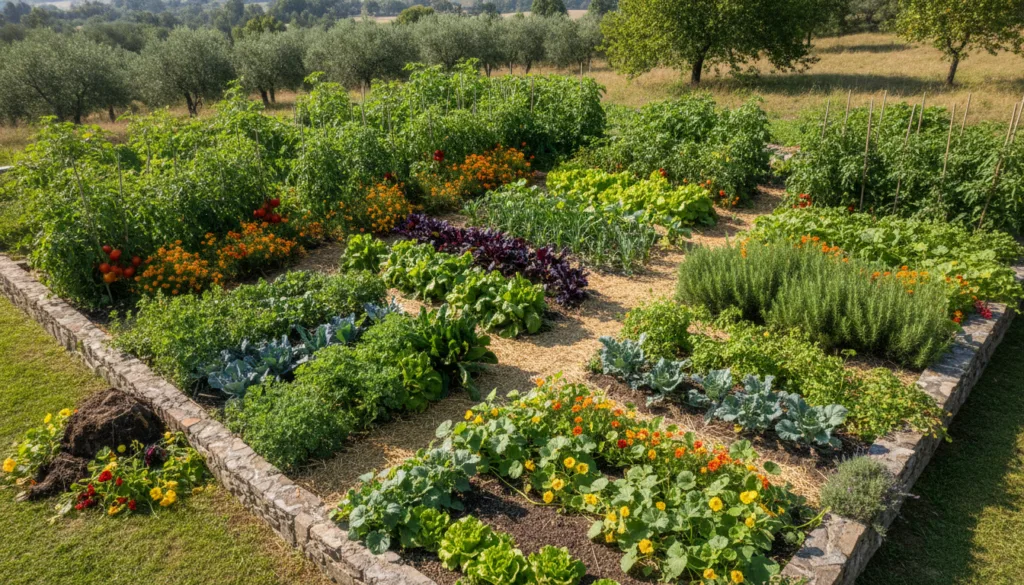
The Magic Behind Companion Planting: Why It Works
Companion planting isn’t just a charming garden tradition; it’s backed by fascinating botanical principles. Different plants can interact in incredible ways:
- Pest Deterrence: Some plants emit scents or release chemicals that repel harmful insects, protecting their neighbors.
- Attracting Beneficial Insects: Certain flowers or herbs can draw in pollinators like bees and butterflies, or predatory insects that feast on garden pests.
- Nutrient Cycling: Legumes, for example, can fix nitrogen in the soil, making it available for other plants.
- Growth Boost: Some plants create ideal microclimates or provide physical support for their companions.
- Weed Suppression: Groundcover plants can help suppress weeds, reducing competition for resources.
- Improved Flavor: Believe it or not, some pairings are said to enhance the taste of vegetables!
9 Ingenious Companion Planting Pairings for Your Garden
Let’s dive into some tried-and-true combinations that can make a real difference in your garden:
1. Tomatoes and Basil: The Classic Duo
This pairing is a culinary and horticultural dream! Basil is believed to repel tomato hornworms and flies, while some gardeners swear it improves the flavor of tomatoes. Plant basil close to your tomato plants for a mutually beneficial relationship.
2. Carrots and Rosemary: Deterring Pests Naturally
Rosemary’s strong aroma can confuse and deter the carrot rust fly, a common pest that targets carrot roots. Plant sprigs of rosemary near your carrot rows to keep these unwelcome visitors away.
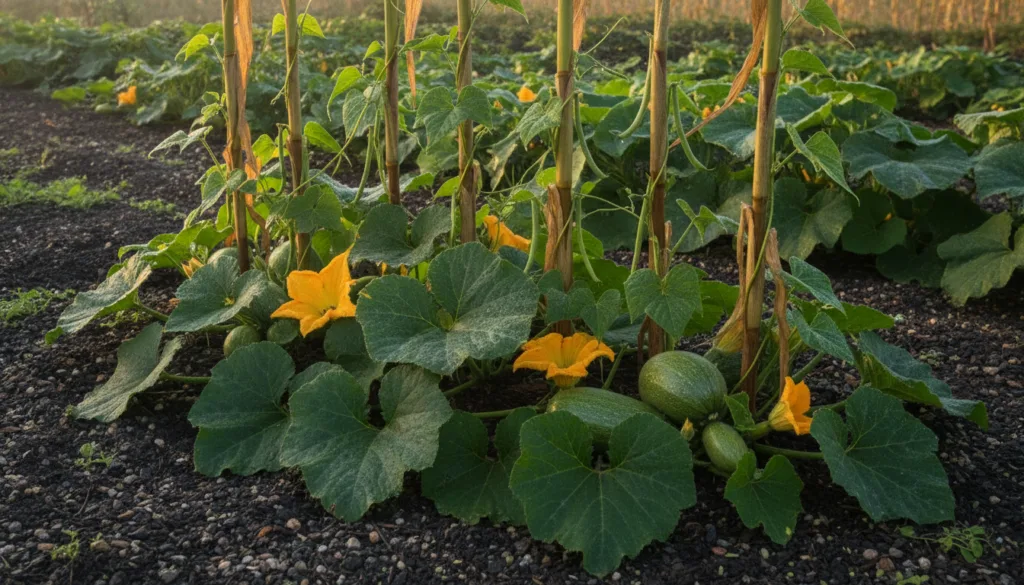
3. The Three Sisters: Corn, Beans, and Squash
This ancient Native American method is a masterpiece of companion planting. Corn provides a natural trellis for climbing beans, while the beans fix nitrogen in the soil, enriching it for both corn and squash. The large leaves of squash plants act as a living mulch, suppressing weeds and keeping the soil moist. It’s a perfect example of plants working together!
4. Marigolds and Vegetables: Your Garden’s Guardians
French marigolds (Tagetes patula) are superstars at repelling nematodes and other soil-borne pests. Their roots release compounds that are toxic to these microscopic worms. Plant them liberally throughout your vegetable beds to protect a wide range of plants, from tomatoes to potatoes.
5. Lettuce and Mint: Cool Companions (Mint in Containers!)
Mint can help deter slugs and ants that might bother your lettuce. However, mint is a vigorous spreader, so it’s best to plant it in a pot near your lettuce rather than directly in the garden bed to prevent it from taking over.
6. Cucumbers and Nasturtiums: A Win-Win
Nasturtiums are often called