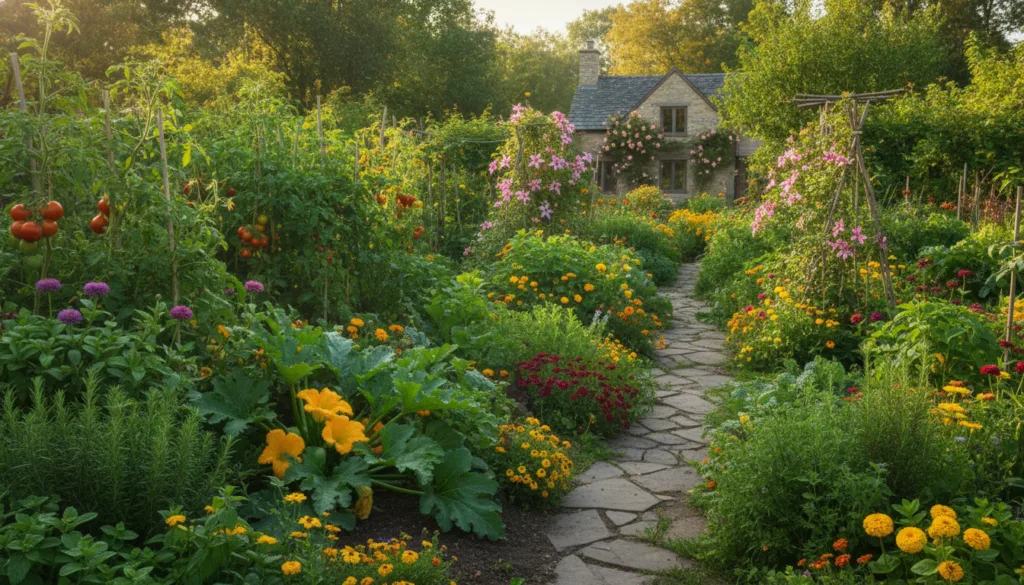
Unlock Your Garden’s Potential with DIY Plant Food!
Are you looking for simple, sustainable ways to boost your garden’s health without breaking the bank or relying on synthetic products? You’ve come to the right place! At Garden – L. Quyên, we believe in nurturing our plants with love and natural goodness. Today, we’re diving into the incredibly rewarding world of DIY plant food, using everyday kitchen scraps you might otherwise throw away. Get ready to transform your garden into a thriving paradise, the eco-friendly way!
Why Go DIY with Your Plant Food?
Using homemade plant food isn’t just a trend; it’s a smart gardening practice with numerous benefits for both your plants and the planet:
- Sustainable & Eco-Friendly: By repurposing kitchen waste, you reduce landfill contributions and minimize your carbon footprint.
- Cost-Effective: Say goodbye to expensive store-bought fertilizers! Your kitchen is already a treasure trove of nutrients.
- Natural & Chemical-Free: You know exactly what’s going into your soil, ensuring your plants and produce are free from harsh chemicals. This is especially important for organic gardeners and those growing edibles.
- Healthier Soil & Plants: Kitchen scraps naturally enrich the soil with essential nutrients, supporting robust plant growth, stronger roots, and better disease resistance.
- Reduces Waste: It’s a fantastic way to give a second life to items that would typically end up in the bin.
Common Kitchen Scraps for Your Garden
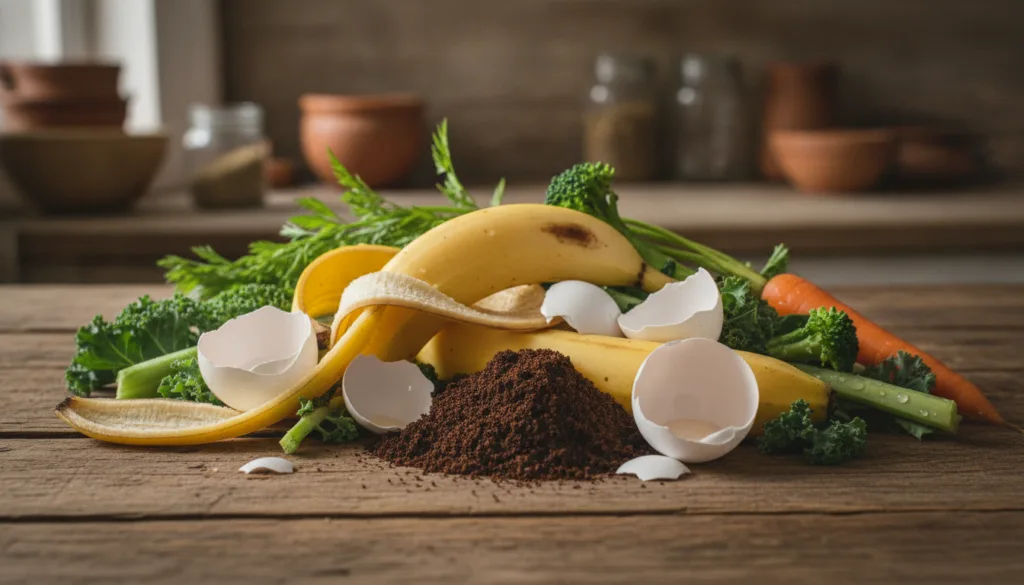
Many everyday kitchen items contain valuable nutrients that your plants crave. Here are some of the best:
- Banana Peels: Rich in potassium, essential for flowering and fruiting.
- Eggshells: Packed with calcium, crucial for strong cell walls and preventing blossom end rot.
- Coffee Grounds: Add nitrogen, which promotes lush, leafy growth, and slightly acidify the soil (beneficial for acid-loving plants like blueberries and hydrangeas).
- Vegetable Scraps: (e.g., potato peels, carrot tops, lettuce leaves) Contain a mix of micronutrients and organic matter that enrich the soil.
- Tea Bags/Leaves: Similar to coffee grounds, they add nitrogen and organic matter.
- Wood Ash (untreated wood only): A good source of potassium and calcium, but use sparingly as it raises soil pH.
How to Make DIY Plant Food: Simple Methods
1. Compost Tea (Liquid Fertilizer)
Compost tea is a fantastic way to deliver a nutrient-rich boost directly to your plants. It’s like a power drink for your garden!
What you’ll need:
- A bucket or large container (5-gallon works well)
- Water (rainwater or dechlorinated tap water is best)
- A mix of kitchen scraps (banana peels, vegetable scraps, coffee grounds, eggshells)
- Optional: A piece of old pantyhose or mesh bag for easy straining
Step-by-Step Instructions:
- Collect Your Scraps: Gather a good variety of kitchen scraps. Chop larger pieces into smaller ones to speed up decomposition.
- Fill Your Container: Place your scraps into the bucket. If using a mesh bag, put the scraps inside the bag and tie it shut.
- Add Water: Fill the container with water, ensuring the scraps are fully submerged. Leave some space at the top.
- Steep: Let the mixture steep for 2-3 days, stirring daily. You’ll notice the water changing color as nutrients are released. For a stronger brew, you can let it steep for up to a week, but watch for any foul odors.
- Strain: Remove the solid scraps (either lift the mesh bag or strain the liquid). You can add the leftover solids to your compost pile.
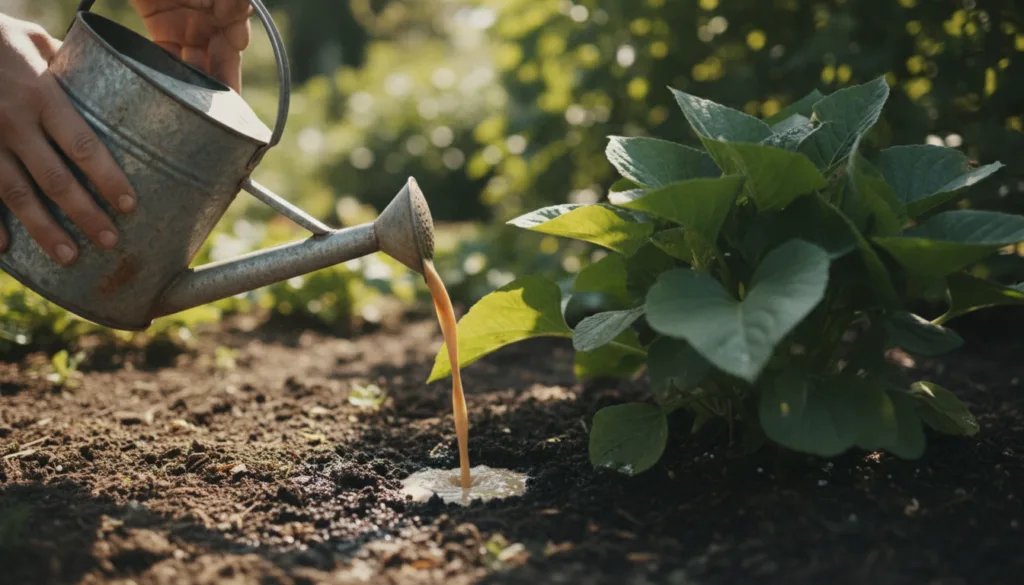
- Dilute & Apply: Dilute the compost tea with fresh water until it looks like weak tea. Apply directly to the soil around the base of your plants or use it as a foliar spray (spray on leaves) in the early morning or late evening.
2. Direct Application (Slow Release)
Some scraps can be applied directly to the soil for a slow-release nutrient boost:
- Eggshells: Rinse and crush eggshells finely. Sprinkle them around the base of calcium-loving plants like tomatoes, peppers, and roses. They break down slowly, releasing calcium.
- Coffee Grounds: Sprinkle used coffee grounds directly onto the soil around acid-loving plants. Work them lightly into the topsoil. They also act as a mild pest deterrent.
- Banana Peels: Cut banana peels into small pieces and bury them a few inches deep around the base of fruiting or flowering plants. They will decompose, releasing potassium.
Tips for Success with DIY Plant Food
- Diversity is Key: Use a variety of scraps to ensure a wide range of nutrients.
- Chop it Up: Smaller pieces break down faster, releasing nutrients more quickly.
- Don’t Overdo It: While natural, too much of a good thing can still harm plants. Start with smaller applications and observe your plants’ reactions.
- Avoid Oily/Greasy Scraps: These can attract pests and create anaerobic conditions. Stick to plant-based scraps.
- Fresh is Best for Tea: For compost tea, use fresh scraps that haven’t started to mold or rot extensively.
- Dechlorinate Water: If using tap water, let it sit out for 24 hours to allow chlorine to evaporate, as chlorine can harm beneficial microbes.
Unlock Your Green Thumb!
Making your own plant food from kitchen scraps is a rewarding practice that benefits your garden, your wallet, and the environment. It’s a simple step towards a more sustainable and vibrant gardening journey. Your plants will thank you with lush foliage, abundant blooms, and delicious harvests!
What kitchen scraps do you reuse in your garden? Share your creative ideas and successes with us below!