Tired of replanting your favorite vegetables every single year? Imagine a garden where many of your delicious harvests return season after season, requiring less effort and delivering consistent bounty. Welcome to the wonderful world of perennial vegetables!
At Garden – L. Quyên, we’re all about making gardening joyful, inspiring, and easy to understand. Perennial vegetables are a game-changer for anyone looking to simplify their gardening routine, enrich their soil, and enjoy a sustainable harvest. Let’s dive into how you can cultivate a thriving edible garden that keeps on giving!
What Exactly Are Perennial Vegetables?
Unlike annuals that complete their life cycle in one growing season and biennials that take two, perennial vegetables live for more than two years. They establish deep root systems, allowing them to survive winters (in most climates) and regrow from the same plant each spring. This means less digging, less planting, and more time enjoying your garden.
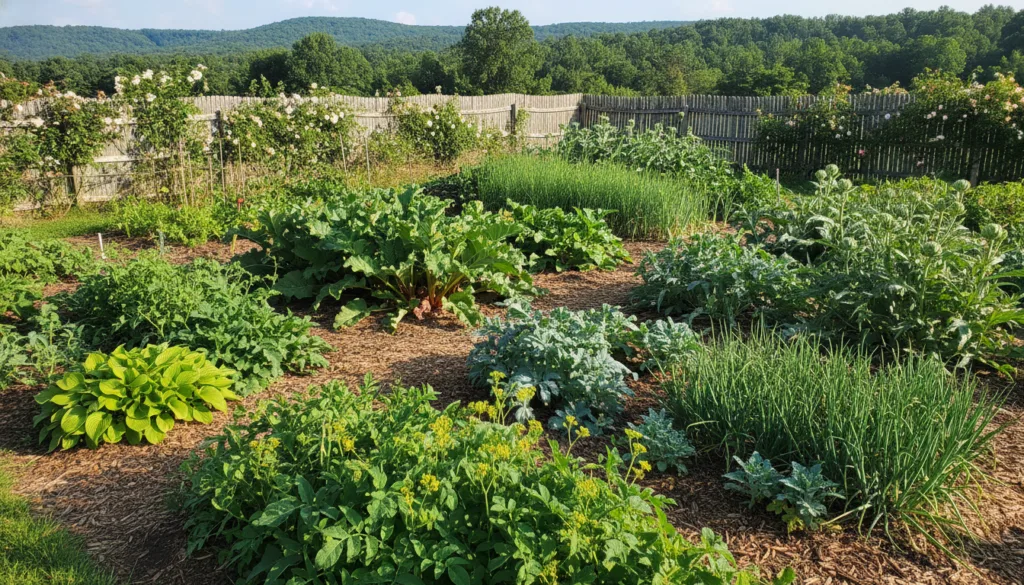
Why Choose Perennial Vegetables? The Benefits Are Abundant!
- Less Effort, More Reward: Once established, perennial vegetables generally require less maintenance than annuals. No need to prepare beds and replant seeds every spring!
- Sustainable Gardening: They contribute to healthier soil by minimizing disturbance. Their deep roots help prevent erosion and can access nutrients deeper in the soil.
- Early Harvests: Many perennials are among the first plants to emerge in spring, giving you fresh produce earlier in the season.
- Cost-Effective: Plant them once, and enjoy harvests for years, saving you money on seeds and starts.
- Increased Biodiversity: They often support local pollinators and beneficial insects, contributing to a balanced garden ecosystem.
Popular Perennial Vegetables to Get Started With
Ready to add some long-lasting edibles to your garden? Here are some fantastic choices that are relatively easy to grow:
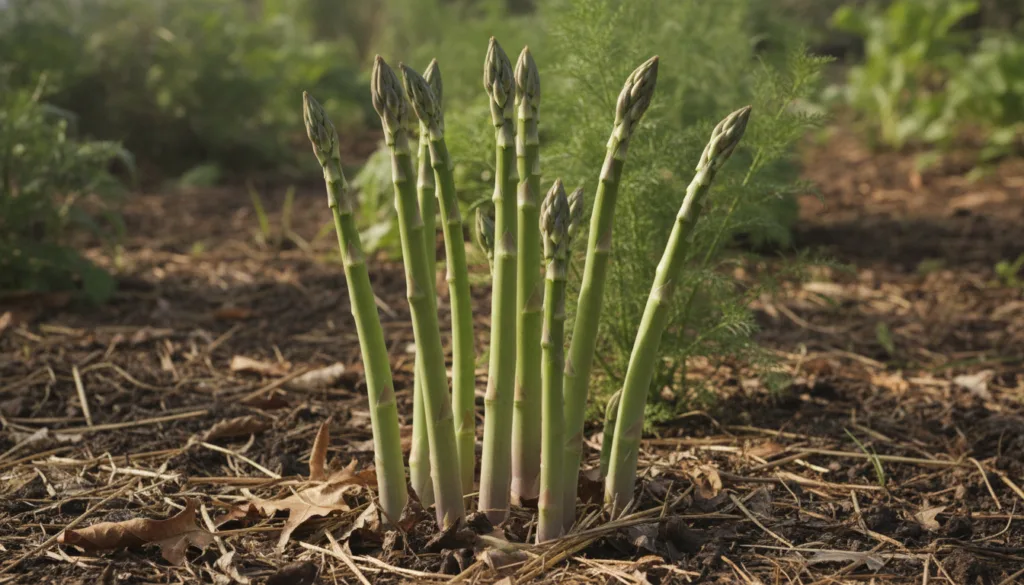
1. Asparagus
A true spring delicacy! Asparagus crowns can produce delicious spears for 15-20 years or more with proper care. They require a bit of patience in the first few years (don’t harvest immediately!), but the wait is well worth it.
2. Rhubarb
Known for its tart stalks, rhubarb is perfect for pies, crumbles, and jams. It’s incredibly hardy and can thrive for decades. Remember to only eat the stalks, as the leaves are poisonous!
3. Artichokes
These majestic plants produce delicious flower buds. While some varieties are more cold-sensitive, others can be grown as perennials in milder climates (Zone 7 and above) and mulched heavily in colder zones.
4. Jerusalem Artichokes (Sunchokes)
Not actually artichokes, these are tubers related to sunflowers. They are incredibly prolific and can almost be too successful! They produce crunchy, nutty tubers that can be harvested in fall and winter.
5. Sorrel
A leafy green with a tangy, lemony flavor, perfect for salads and soups. Sorrel is very easy to grow and will produce tender leaves throughout the growing season.
6. Chives
These onion-flavored herbs are fantastic in many dishes and are also lovely ornamental plants with their purple flowers. Chives are very low-maintenance and will return reliably year after year.
Simple Care Tips for Thriving Perennial Veggies
While they are low-maintenance, a little care goes a long way in ensuring your perennial vegetables flourish:
- Choose the Right Spot: Most perennial vegetables prefer a location with at least 6-8 hours of direct sunlight per day. Ensure good drainage, as soggy roots can be a perennial’s worst enemy.
- Prepare Your Soil Well: Since these plants will be in the ground for a long time, invest in preparing a rich, well-draining soil. Amend with plenty of compost and organic matter before planting.
- Planting: Follow specific planting instructions for each perennial. For instance, asparagus crowns need to be planted in trenches.
- Water Consistently: Especially during their first year, ensure consistent watering to help them establish strong root systems. Once established, many are quite drought-tolerant.
- Mulch Annually: Apply a layer of organic mulch (like straw, wood chips, or compost) around your plants in spring. This helps retain moisture, suppress weeds, and adds nutrients back to the soil.
- Fertilize Lightly: A top-dressing of compost or a balanced organic fertilizer once a year (usually in spring) is often sufficient.
- Pest and Disease Watch: While often more resilient, keep an eye out for common garden pests or diseases and address them organically.
Ready to Embrace the Perennial Garden?
Adding perennial vegetables to your garden is a smart, sustainable, and rewarding choice. You’ll enjoy fresh, homegrown produce with significantly less effort, contributing to a healthier environment and a more vibrant garden. It’s truly gardening smarter, not harder!
Which perennial vegetable are you most excited to try? Share your thoughts and experiences in the comments below, or tell us your favorite perennial growing tip!