Imagine having fresh vegetables right at your fingertips, not just for one season, but continuously, year-round. What if we told you that many of the vegetables you buy from the grocery store have the amazing ability to regrow themselves from their scraps? Yes, it’s true! Welcome to the wonderful world of perpetual gardening, a simple and rewarding practice that allows you to extend your harvest and embrace a more sustainable lifestyle. At Garden – L. Quyên, we’re all about making gardening accessible and fun for everyone, and regrowing vegetables is a perfect example.
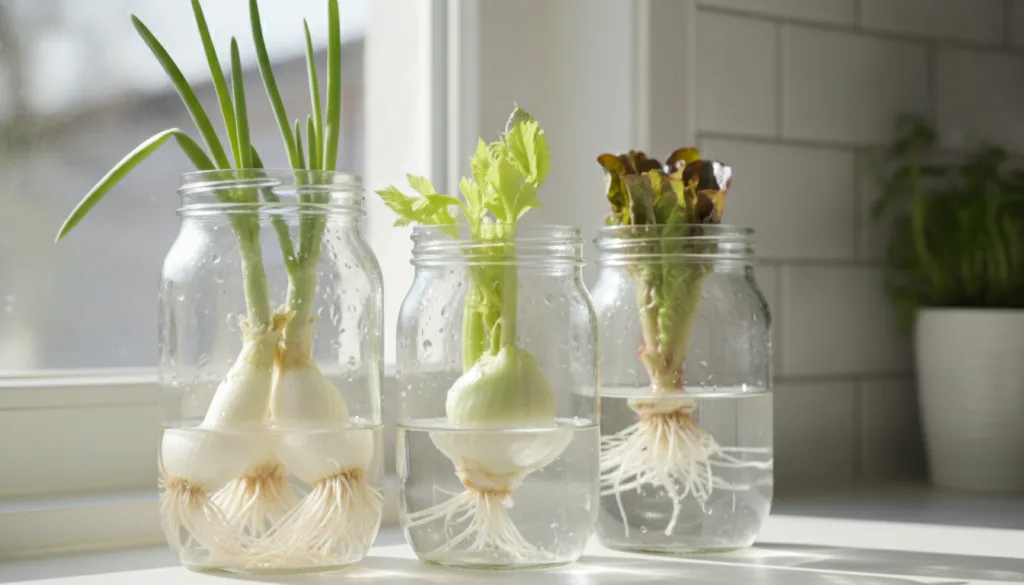
Why Regrow Vegetables? The Benefits Are Endless!
Beyond the sheer magic of watching life spring from what you might have otherwise tossed, regrowing vegetables offers a bounty of benefits:
- Sustainability: Reduce food waste by giving those scraps a second life. It’s a fantastic step towards a greener, more eco-conscious home.
- Save Money: Who doesn’t love saving a few dollars? By regrowing, you’ll reduce your trips to the store for certain produce items.
- Freshness on Demand: Enjoy the freshest possible ingredients, picked just moments before they hit your plate.
- Educational Fun: It’s a fantastic project for families, teaching children (and adults!) about plant cycles, patience, and where our food comes from.
- Indoor Gardening: Perfect for those with limited outdoor space or living in colder climates, many regrowing projects can thrive right on your windowsill.
Your Simple Guide to Perpetual Harvest: Easy Vegetables to Regrow
Ready to start your perpetual garden? Here are some of the easiest and most rewarding vegetables to regrow, along with simple steps to get you started:
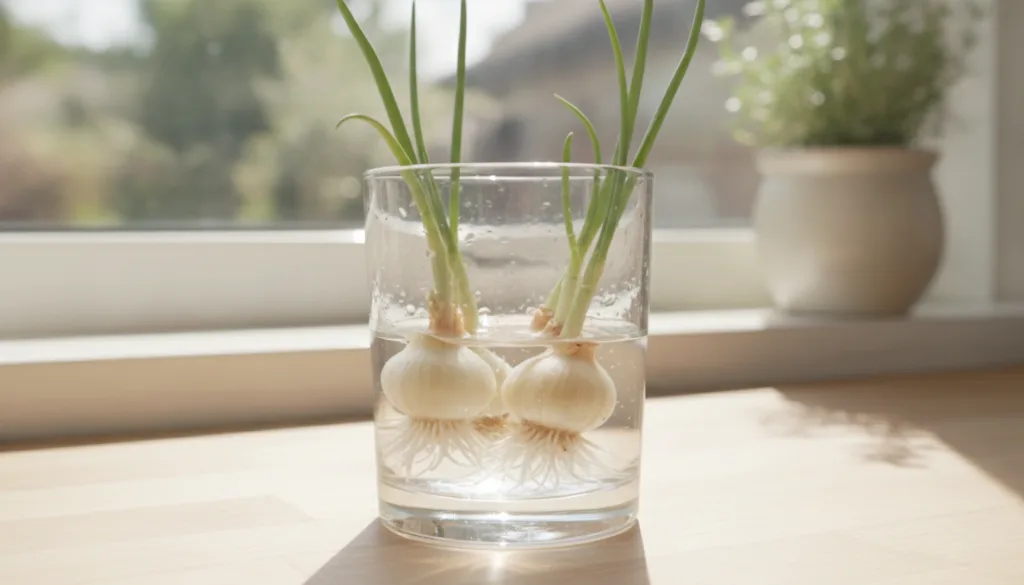
1. Green Onions (Scallions)
One of the easiest and most popular vegetables to regrow! You’ll have fresh green onions in no time.
- How To: Keep the white bottom part of the green onion, leaving about an inch or two of the bulb and roots attached. Place the bulb end down in a small glass of water, ensuring the roots are submerged and the top part is exposed to air.
- Care: Place the glass on a sunny windowsill. Change the water daily to prevent mold.
- Harvest: You’ll see new green shoots in just a few days! Once they reach your desired length, snip off what you need, and they’ll continue to grow. You can do this several times before the plant loses vigor.
2. Celery
Another kitchen staple that readily regrows from its base.
- How To: Cut about two inches from the base of a celery stalk. Place the base cut-side up in a shallow bowl or dish with about an inch of water.
- Care: Keep the dish in a sunny spot and change the water every day or two. New leaves will begin to sprout from the center.
- Transition: Once new roots and leaves have developed (usually after 1-2 weeks), you can transplant the celery base into a pot with soil, leaving the top part exposed. Keep the soil consistently moist.
3. Romaine Lettuce & Cabbage
leafy greens are perfect for a second harvest.
- How To: Cut about two to three inches from the bottom core of your lettuce or cabbage head. Place the core in a shallow bowl with about half an inch of water.
- Care: Place in a sunny location and change the water daily. You’ll soon see small leaves emerging from the center.
- Transition: After a week or two, once roots and new leaves are established, you can plant the core in soil. You can harvest the outer leaves as they grow.
4. Ginger
Regrowing ginger is a fantastic way to ensure a continuous supply of this zesty root.
- How To: Look for a piece of ginger root that has