Maintaining healthy blood pressure is a cornerstone of overall cardiovascular well-being. Your daily dietary choices play an incredibly significant role in supporting these vital numbers. While medication and lifestyle adjustments are important, understanding the impact of the foods you eat can empower you to take proactive steps toward a healthier heart. This guide will explore specific foods that can help you maintain optimal blood pressure and highlight those that you might want to limit for better health outcomes.
By making informed decisions about what goes on your plate, you can contribute meaningfully to managing your blood pressure and promoting long-term health. Let’s delve into the specifics of how different foods interact with your body’s circulatory system.
Understanding Your Blood Pressure: The Numbers That Matter
Blood pressure is a measurement of the force your blood exerts against the walls of your arteries as your heart pumps it around your body. It’s typically expressed as two numbers: systolic (the top number, measuring pressure when your heart beats) and diastolic (the bottom number, measuring pressure between beats).
An optimal blood pressure reading is generally around 115/75 mmHg, indicating that your heart and blood vessels are working efficiently. A reading of 145/90 mmHg, however, is considered high and can place significant strain on your cardiovascular system, increasing the risk of various health complications over time. Diet is a key factor in keeping these numbers in a healthy range.
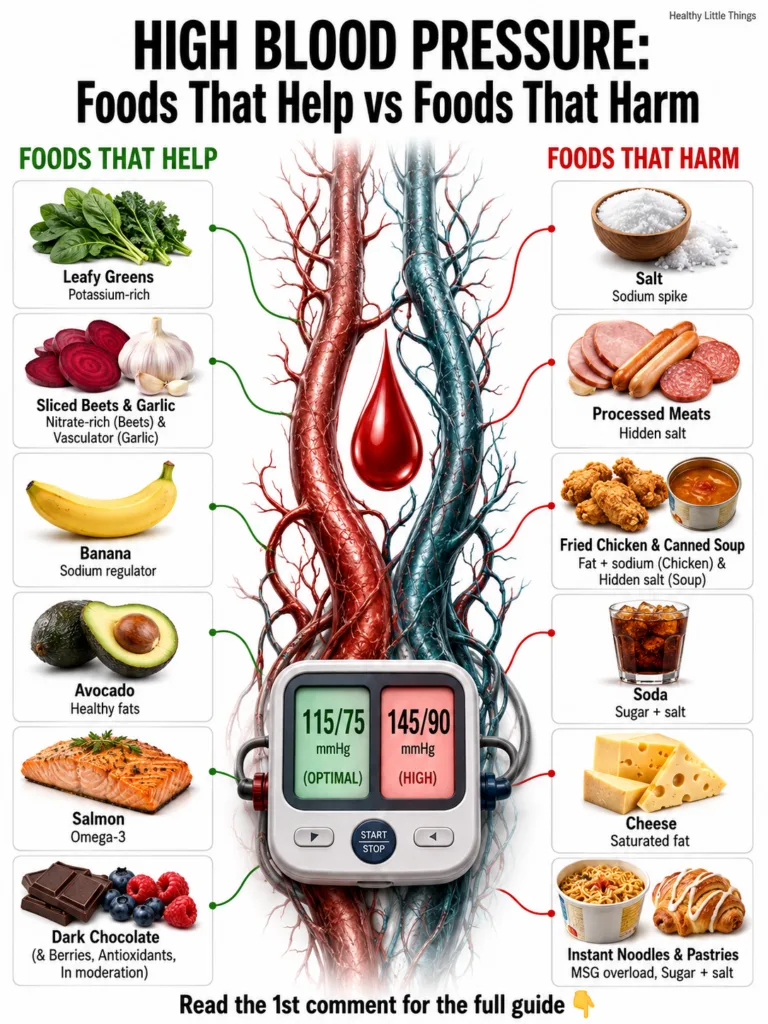
Foods That Help Support Healthy Blood Pressure
Incorporating these nutrient-rich foods into your diet can be a powerful strategy to support optimal blood pressure levels:
Leafy Greens (Potassium-Rich)
Spinach, kale, Swiss chard, and other leafy greens are nutritional powerhouses, particularly rich in potassium. Potassium is crucial for balancing sodium levels in the body, helping to relax blood vessel walls, which can reduce blood pressure. Aim to include a variety of these greens in salads, smoothies, or cooked dishes.
Beets and Garlic (Nitrate Boost)
Beets are well-known for their high content of nitrates, which the body converts into nitric oxide. Nitric oxide helps to widen and relax blood vessels, thereby improving blood flow and potentially lowering blood pressure. Garlic, on the other hand, contains compounds like allicin that may help relax blood vessels and improve circulation. Combining these two can offer a powerful synergy for heart health. Try roasted beets with garlic or add raw garlic to dressings.
Bananas (Potassium-Rich)
Much like leafy greens, bananas are an excellent source of potassium. A single banana can provide a significant portion of your daily potassium needs. They are a convenient and delicious snack that can easily be incorporated into your breakfast, smoothies, or as a post-workout recovery food.
Avocados (Healthy Fats)
Avocados are packed with monounsaturated fatty acids, which are considered ‘healthy fats.’ These fats can help lower bad cholesterol levels and contribute to better heart health overall. Beyond healthy fats, avocados also provide potassium and magnesium, both important minerals for blood pressure regulation. Enjoy them sliced in salads, mashed into guacamole, or spread on whole-grain toast.
Salmon (Omega-3)
Fatty fish like salmon are renowned for their high content of omega-3 fatty acids. These essential fats have anti-inflammatory properties and can help reduce triglycerides, potentially lowering blood pressure and improving overall cardiovascular function. Aim for two servings of fatty fish per week as part of a balanced diet.
Dark Chocolate & Berries (Antioxidants)
Good news for chocolate lovers! Dark chocolate, especially varieties with a high cocoa content (70% or more), contains flavonoids, powerful antioxidants that can help improve blood vessel function and potentially lower blood pressure. When paired with berries, which are also rich in antioxidants and fiber, you create a delicious and heart-friendly treat. Enjoy in moderation.
Foods That Can Hinder Healthy Blood Pressure
While enjoying certain foods can help, it’s equally important to be mindful of those that can negatively impact your blood pressure. Limiting these foods is a key step towards better cardiovascular health:
Excess Salt/Sodium (Sodium Spike)
One of the most significant dietary culprits for high blood pressure is excessive sodium intake. Sodium causes your body to retain water, which increases the volume of blood and the pressure on your artery walls. Be mindful of added salt in cooking and hidden sodium in processed and packaged foods. Check nutrition labels and opt for low-sodium alternatives.
Processed Meats (Sodium & Nitrites)
Processed meats like bacon, sausages, deli meats, and hot dogs are typically very high in sodium. They also often contain nitrites, which can contribute to blood vessel stiffness. Reducing your consumption of these items can significantly cut down on your sodium and harmful additive intake.
Fried Foods & Canned Soups (Saturated Fat, High Sodium)
Fried foods are often high in unhealthy saturated and trans fats, which can contribute to plaque buildup in arteries, stiffening them and making the heart work harder. Canned soups, while convenient, are notorious for their extremely high sodium content. Regularly consuming these can elevate your blood pressure. Opt for homemade soups with fresh ingredients and choose baking or grilling over frying.
Sugary Sodas (Sugar Overload)
The sugar in sodas and other sweetened beverages can contribute to weight gain, inflammation, and metabolic issues, all of which can indirectly lead to higher blood pressure. High sugar intake is also linked to increased uric acid levels, which some research suggests can play a role in hypertension. Choosing water, unsweetened tea, or fruit-infused water is a healthier alternative.
High-Fat Cheeses (Saturated Fat)
While cheese can be a source of calcium and protein, many varieties are high in saturated fat. Excessive intake of saturated fat can raise LDL (‘bad’) cholesterol, which can lead to plaque formation in arteries and contribute to elevated blood pressure. When choosing cheese, opt for lower-fat versions or consume full-fat varieties in moderation.
Instant Noodles & Pastries (MSG Overload, Refined Carbs)
Instant noodles are often loaded with sodium and monosodium glutamate (MSG), both of which can negatively affect blood pressure for some individuals. Pastries, on the other hand, are typically high in refined carbohydrates, sugar, and unhealthy fats, contributing to inflammation and weight gain, factors that can elevate blood pressure. Limiting these highly processed items is beneficial for heart health.
Final Thoughts
Your diet is a powerful tool in the journey toward managing and maintaining healthy blood pressure. By consciously incorporating foods rich in potassium, healthy fats, omega-3s, and antioxidants, while simultaneously limiting those high in sodium, unhealthy fats, and sugars, you can make a significant positive impact on your cardiovascular health. Remember that these dietary changes are part of a broader healthy lifestyle. Consult with a healthcare professional or a registered dietitian for personalized advice tailored to your specific health needs.
Medical Disclaimer
This article is intended for informational purposes only and does not constitute medical advice. Always consult with a qualified healthcare professional before making any decisions about your health, diet, or treatment plans, especially if you have a medical condition such as high blood pressure.