Are you curious about how certain foods can influence your energy levels and overall adrenal health? Many people seek natural ways to support their vitality, and smart food choices play a significant role. This guide highlights an array of nutrient-dense foods that may help you feel more balanced and energetic throughout your day.
We’ll explore specific vitamins, minerals, healthy fats, and unique plant compounds known as adaptogens that can contribute to your well-being. We’ll also touch upon common dietary pitfalls that can drain your energy, helping you make informed decisions for sustained vitality.
By understanding the impact of your diet, you can empower yourself to make choices that nourish your body and support your natural energy rhythms.
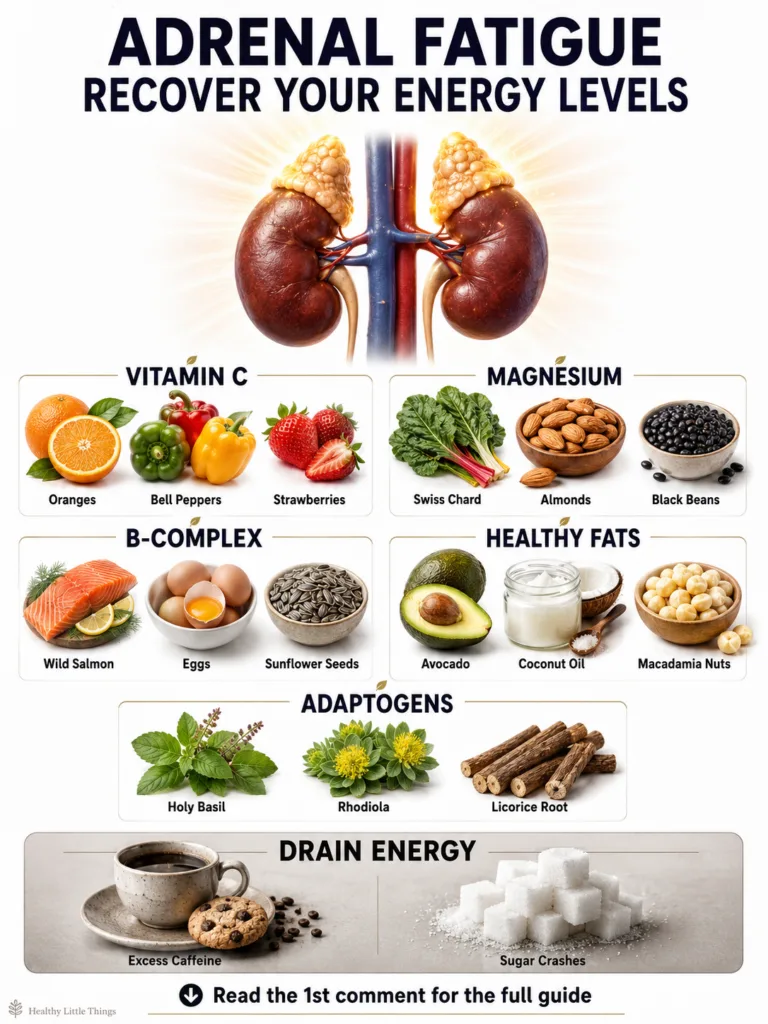
Foods to Embrace for Sustained Energy and Adrenal Support
Incorporating specific nutrients into your diet is a foundational step toward supporting your energy and general well-being. These categories highlight key components found in foods that are often recommended for their potential benefits.
Vitamin C: An Antioxidant Ally
Vitamin C is well-known for its antioxidant properties and its role in supporting the immune system. It also plays a part in various bodily functions, including the production of certain hormones. When aiming to support overall energy, ensuring adequate intake of Vitamin C-rich foods is a simple and effective strategy.
- Oranges: A classic source, perfect for a morning boost or a refreshing snack.
- Bell Peppers: Especially red and yellow varieties, which are surprisingly high in Vitamin C. Enjoy them raw in salads or lightly sautéed.
- Strawberries: Delicious berries that can be added to smoothies, yogurts, or eaten on their own.
Magnesium: The Relaxation Mineral
Magnesium is an essential mineral involved in over 300 biochemical reactions in the body, including energy production and muscle and nerve function. Adequate magnesium intake is often linked to better sleep quality and reduced feelings of fatigue, making it a crucial nutrient for those seeking to recover energy levels.
- Swiss Chard: A leafy green vegetable packed with nutrients. Try it steamed or in stir-fries.
- Almonds: A convenient and crunchy snack, rich in magnesium and healthy fats.
- Black Beans: Versatile legumes that can be added to soups, salads, and burritos.
B-Complex Vitamins: Energy Production Powerhouses
The B-complex vitamins are a group of eight water-soluble vitamins that are vital for cellular metabolism and energy production. They help convert food into energy, making them indispensable for maintaining stamina and combating tiredness.
- Wild Salmon: An excellent source of several B vitamins, as well as omega-3 fatty acids.
- Eggs: A complete protein that offers a good spectrum of B vitamins, especially biotin and B12.
- Sunflower Seeds: A crunchy source of B vitamins, particularly thiamine (B1) and pantothenic acid (B5).
Healthy Fats: Fueling Your Body and Mind
Healthy fats are crucial for sustained energy, satiety, and hormone production. Unlike quick-burning carbohydrates, healthy fats provide a steady source of fuel, helping to prevent energy crashes and support overall brain function.
- Avocado: Creamy and nutrient-dense, perfect in salads, on toast, or as a smoothie ingredient.
- Coconut Oil: Can be used in cooking or added to smoothies, providing medium-chain triglycerides (MCTs) for energy.
- Macadamia Nuts: Delicious and rich in monounsaturated fats, great for snacking or adding to recipes.
Adaptogens: Natural Stress Responders
Adaptogens are unique herbs and mushrooms that are believed to help the body adapt to stress and maintain balance. While research is ongoing, they have traditionally been used to support vitality and resilience. Integrating them into your routine – under guidance – may offer additional support.
- Holy Basil (Tulsi): An herb traditionally used for its calming properties. Can be enjoyed as a tea.
- Rhodiola: Often used to combat fatigue and support mental performance. Available in supplement form or as a tea.
- Licorice Root: Historically used for its potential to support energy and soothe digestive issues. Often found in herbal tea blends, but should be used with caution and professional advice due to potential effects on blood pressure.
Foods to Approach with Caution
Just as certain foods can boost your energy, others can inadvertently deplete it. Being mindful of these common dietary elements can make a significant difference in maintaining stable energy levels.
The Jolt and Crash: Reconsidering Excess Caffeine
While a morning coffee can provide an initial burst of energy, relying on excess caffeine can lead to a cycle of dependence and subsequent energy crashes. High caffeine intake may also interfere with sleep patterns, which are vital for energy recovery.
- Consider moderating your intake, especially in the afternoon.
- Explore alternatives like herbal teas or “golden milk” for a soothing, sustained lift without the jitters.
Breaking the Cycle of Sugar Crashes
Foods high in refined sugars provide a rapid energy spike, but this is often followed by an equally rapid “crash” as blood sugar levels drop. This rollercoaster effect can leave you feeling more tired than before and craving more sugar.
- Prioritize whole, unprocessed foods.
- Opt for natural sweetness from fruits instead of added sugars.
- Pair sweet treats with healthy fats or proteins to slow sugar absorption and stabilize blood sugar.
Integrating These Foods into Your Daily Life
Making sustainable dietary changes is about consistency and enjoyment. Here are some practical tips:
- Meal Prep: Prepare large batches of magnesium-rich black beans or chop bell peppers for quick snacks throughout the week.
- Smoothie Boosts: Add strawberries, a handful of almonds, or a scoop of unsweetened cocoa (for magnesium) to your morning smoothie.
- Snack Smart: Keep a bag of almonds or macadamia nuts handy for a healthy fat and magnesium boost.
- Diverse Plates: Aim for a variety of colorful fruits and vegetables in every meal to ensure a broad spectrum of nutrients.
When to Seek Professional Advice
While dietary changes can significantly support your energy and overall well-being, persistent fatigue or concerns about your adrenal health should always be discussed with a qualified healthcare professional. They can provide an accurate diagnosis, rule out underlying medical conditions, and offer personalized advice tailored to your specific health needs.
Final Thoughts
Prioritizing your adrenal health and energy levels through smart food choices is a powerful step towards a more vibrant life. By focusing on nutrient-dense foods like those rich in Vitamin C, magnesium, and B-complex vitamins, while being mindful of caffeine and sugar intake, you can create a dietary foundation that truly supports your body’s natural rhythms. Remember, consistency and listening to your body are key on this journey to renewed energy.
Internal Link Suggestions:
- Healthy Breakfast Ideas for Sustained Energy
- Understanding the Benefits of Healthy Fats in Your Diet
- Explore the Power of B Vitamins for Metabolism
- Meal Prep for Beginners: Simple Steps to Healthier Eating
External Sources:
- Mayo Clinic: Adrenal fatigue, a common concern, but is it real?
- National Institutes of Health (NIH)
- PubMed Central: Adaptogens: an Update on their Traditional Usage, Biological Activity, and Clinical Evidence
Medical Disclaimer:
The information provided in this article is for educational purposes only and is not intended to be a substitute for professional medical advice, diagnosis, or treatment. Always seek the advice of your physician or other qualified health provider with any questions you may have regarding a medical condition.