Unlock Your Garden’s Full Potential Naturally: 6 DIY Organic Fertilizers
Are you dreaming of a lush, vibrant garden bursting with colorful blooms and healthy, delicious vegetables? What if we told you that achieving this garden paradise doesn’t require expensive chemical concoctions? The secret lies in nature’s pantry! At Garden – L. Quyên, we believe in nurturing our plants the natural way, fostering an ecosystem that thrives on eco-friendly solutions.
Today, we’re excited to share 6 simple, homemade fertilizer recipes that will transform your garden. These DIY solutions are easy to make, super effective, and give your plants all the nourishment they need to truly flourish. Get ready to watch your garden thrive, naturally!
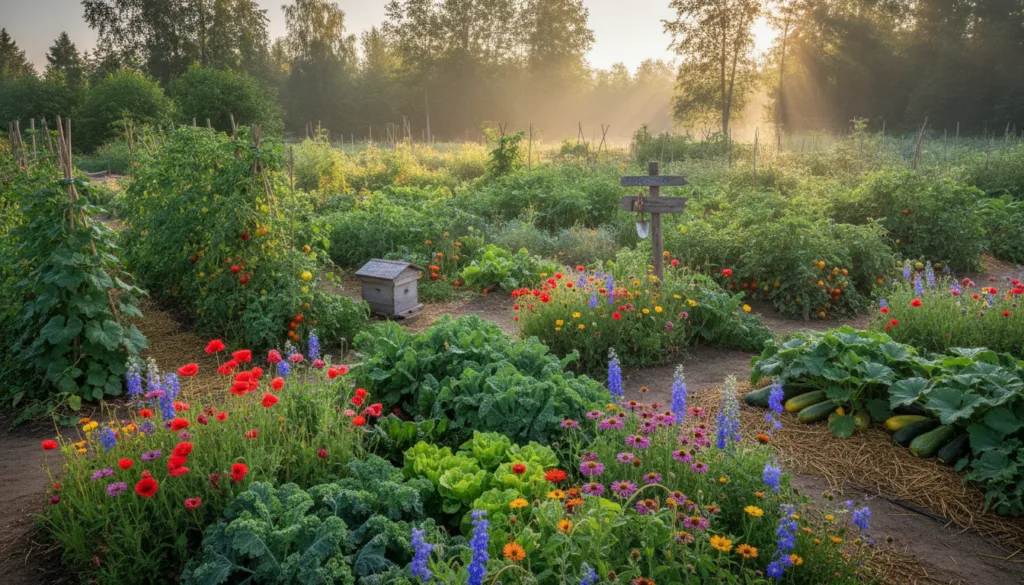
Why Choose Natural Fertilizers?
Before we dive into the recipes, let’s quickly understand why natural fertilizers are a game-changer for your garden:
- Healthier Soil: Organic materials improve soil structure, increase beneficial microbial activity, and enhance water retention.
- Safe for Environment & Family: No harsh chemicals mean a safer garden for pets, children, and local wildlife.
- Cost-Effective: Many ingredients are kitchen scraps or readily available, saving you money.
- Sustainable Practices: Reduces waste and promotes an eco-conscious gardening lifestyle.
- Sustained Nutrition: Releases nutrients slowly, providing long-term benefits to your plants without burning them.
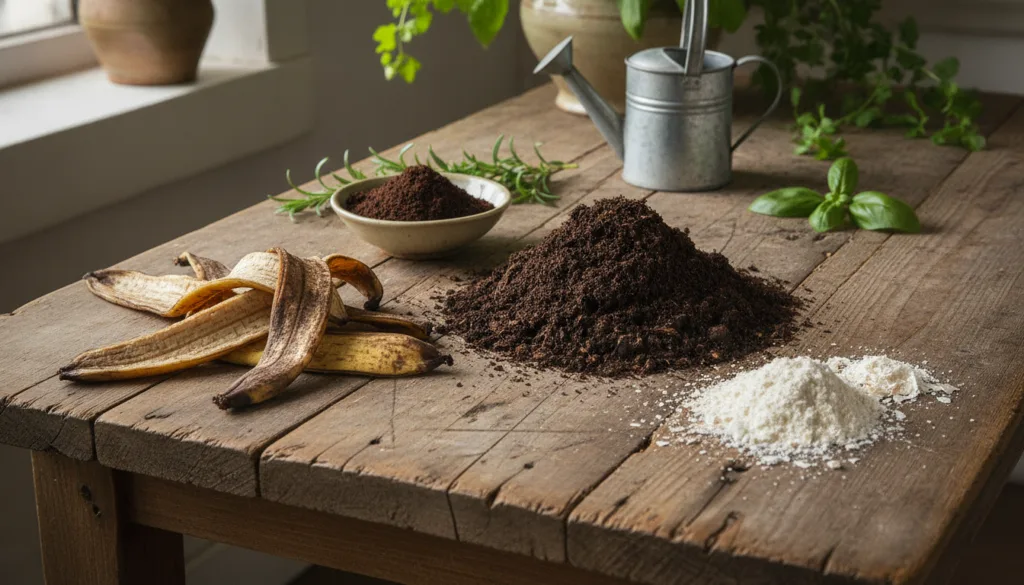
6 Simple, Homemade Fertilizer Recipes
Here are our top picks for easy-to-make, powerful natural fertilizers:
1. Compost Tea: Liquid Gold for Your Plants
Compost tea is a nutrient-rich liquid made by steeping compost in water. It’s fantastic for giving your plants an immediate boost of microbes and nutrients, improving their overall health and disease resistance.
Ingredients:
- Finished compost (about 1-2 shovelfuls)
- Non-chlorinated water (rainwater or filtered water is best)
- A large bucket or container (5-gallon is ideal)
- A porous bag (burlap, old pillowcase, or mesh bag)
Instructions:
- Place the compost into the porous bag and tie it closed.
- Fill the bucket with non-chlorinated water.
- Submerge the bag of compost in the water.
- Let it steep for 24-48 hours, stirring occasionally. The water should turn a light brown color.
- Remove the compost bag (you can add the solids back to your compost pile or directly to garden beds).
How to Use:
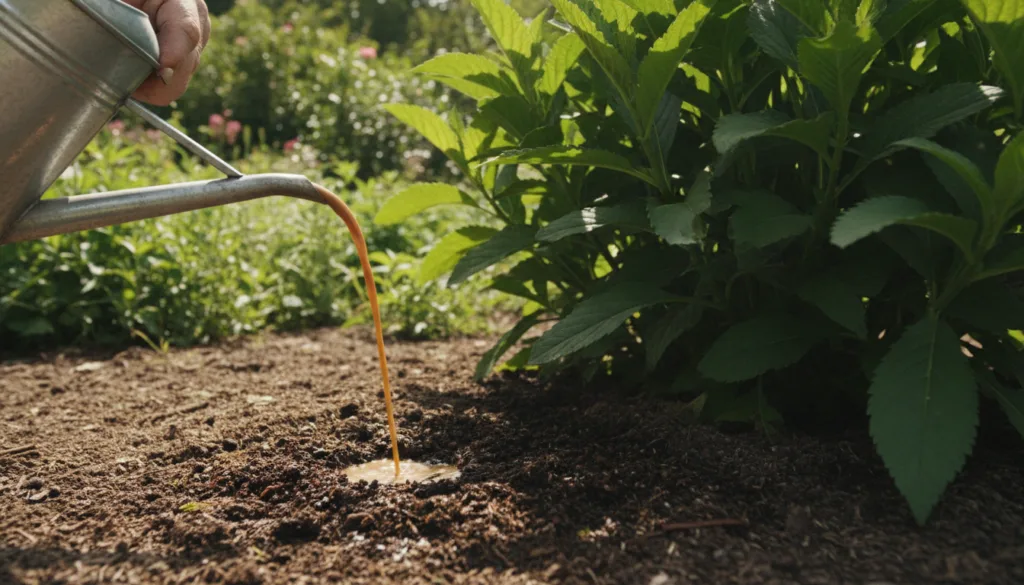
Dilute the compost tea with water until it resembles weak iced tea. Use it to water your plants directly at the base or as a foliar spray on leaves early in the morning or late in the afternoon.
2. Banana Peel Fertilizer: Potassium Powerhouse
Banana peels are packed with potassium, an essential nutrient for flower and fruit development. They are particularly beneficial for flowering plants and fruiting vegetables like tomatoes and peppers.
Method 1: Direct Bury
- Chop banana peels into small pieces.
- Dig a small trench around the base of your plants (a few inches away from the stem).
- Bury the chopped peels in the trench and cover with soil.
Method 2: Banana Peel Tea
- Soak 3-4 banana peels in a gallon of water for a few days.
- Strain the liquid and use it to water your plants.
How to Use:
Use every 2-4 weeks during the growing season. The peels break down slowly, releasing potassium over time.
3. Coffee Ground Fertilizer: Nitrogen Boost and Acidity
Used coffee grounds are a fantastic source of nitrogen, which promotes lush, green foliage. They also add organic matter to the soil and can slightly increase acidity, which is great for acid-loving plants like blueberries, azaleas, and hydrangeas.
Instructions:
- Sprinkle a thin layer of used coffee grounds directly around the base of your plants.
- Gently work them into the topsoil.
How to Use:
Apply monthly. Be mindful not to apply too thickly, as it can compact the soil. Water immediately after applying.
4. Eggshell Fertilizer: Calcium for Stronger Plants
Eggshells are an excellent source of calcium, crucial for strong cell walls and preventing blossom end rot in tomatoes and peppers. They also deter slugs and snails!
Instructions:
- Rinse eggshells thoroughly and let them dry completely.
- Crush them into a fine powder (a blender or food processor works well).
- Alternatively, you can just crush them by hand for a coarser amendment.
How to Use:
Sprinkle a tablespoon or two of crushed eggshells around the base of calcium-loving plants or mix them into the soil when planting.
5. Epsom Salt: Magnesium and Sulfur Supplement
While not a traditional fertilizer, Epsom salt (magnesium sulfate) provides much-needed magnesium and sulfur, vital for photosynthesis and overall plant vigor, especially for roses, tomatoes, and peppers.
Instructions:
- Soil Application: Sprinkle 1 tablespoon of Epsom salt around the base of established plants and water in.
- Liquid Solution: Dissolve 1-2 tablespoons of Epsom salt in a gallon of water and use it to water plants once a month.
- Foliar Spray: Mix 1 tablespoon in a gallon of water and spray on leaves for quick absorption.
How to Use:
Apply every 2-4 weeks during the growing season. Avoid over-application, as too much can harm plants.
6. Seaweed Concentrate: Trace Minerals and Growth Hormones
Seaweed is a powerhouse of trace minerals, vitamins, amino acids, and natural growth hormones. It improves seed germination, root development, and resistance to pests and diseases.
Instructions:
- Gather fresh seaweed (if you live near a clean coast) or purchase dried seaweed meal.
- If using fresh seaweed, rinse thoroughly to remove salt. Chop it into small pieces.
- Soak fresh or dried seaweed in a bucket of water (roughly 1 part seaweed to 3 parts water) for several weeks, stirring occasionally.
- Strain the liquid.
How to Use:
Dilute the seaweed concentrate (often 1 part concentrate to 10 parts water) and use it as a soil drench or foliar spray. You can also mix dried seaweed meal directly into the soil.
General Tips for Using Natural Fertilizers
- Test Your Soil: Knowing your soil’s current nutrient levels can help you tailor your fertilizer applications.
- Observe Your Plants: Yellowing leaves, stunted growth, or poor flowering can indicate a nutrient deficiency.
- Start Small: When trying a new homemade fertilizer, apply it to a small area first to see how your plants react.
- Consistency is Key: Regular, moderate application of natural fertilizers is more effective than large, infrequent doses.
- Combine Methods: Use a variety of natural fertilizers to provide a balanced range of nutrients.
Ready to Grow Naturally?
Harnessing the power of natural fertilizers is one of the most rewarding ways to care for your garden. Not only will you see healthier, more vibrant plants, but you’ll also be contributing to a more sustainable and eco-friendly environment. So, roll up your sleeves and give these homemade recipes a try!
Which natural fertilizer are you excited to try first? Share your thoughts and experiences in the comments below – we’d love to hear from you!