Ready to transform your garden into a vibrant, thriving oasis? Imagine your plants bursting with health, producing bountiful harvests, and radiating natural beauty – all without relying on harsh chemicals. At Garden – L. Quyên, we believe in nurturing nature with nature, and today, we’re diving deep into the magical world of natural fertilizers!
Many gardeners face challenges like struggling plants, poor soil, or the fear of using synthetic products. The good news is, your kitchen and backyard likely hold some incredible secrets to plant vitality. Let’s explore how everyday items can become powerful plant food, helping your garden thrive the organic way.
Why Choose Natural Fertilizers?
Opting for natural fertilizers isn’t just a trend; it’s a commitment to a healthier garden and a healthier planet. Here’s why they’re a game-changer:
- Soil Health: Unlike synthetic fertilizers that often only feed the plant, natural options enrich the soil, fostering a thriving ecosystem of beneficial microbes, worms, and fungi. Healthy soil leads to healthy roots, which leads to healthy plants!
- Sustainable & Eco-Friendly: You’re recycling kitchen scraps and garden waste, reducing landfill contribution, and minimizing your carbon footprint. Plus, no chemical runoff to contaminate water sources.
- Gentle & Long-Lasting: Natural fertilizers release nutrients slowly over time, providing a steady food source for your plants and preventing the risk of ‘fertilizer burn’ that can happen with quick-release synthetic options.
- Pest Resistance: Healthy plants with strong immune systems are naturally more resilient to pests and diseases.
- Cost-Effective: Many of the best natural fertilizers are things you might otherwise throw away, saving you money!
Your Natural Fertilizer Toolkit: Everyday Items, Extraordinary Results
Let’s unlock the secrets to transforming common household items into garden gold!
Compost: The Heart of Organic Gardening
Compost is the ultimate natural fertilizer. It’s decomposed organic matter packed with essential nutrients and improves soil structure, drainage, and water retention. Making your own compost is easier than you think!
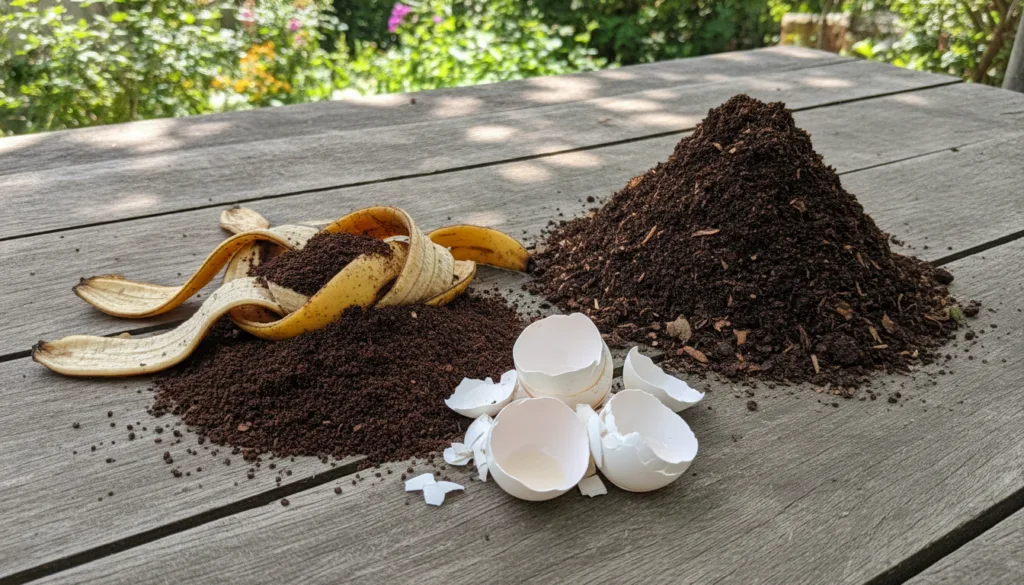
- What to Compost: Vegetable and fruit scraps, coffee grounds, eggshells, yard trimmings, leaves, grass clippings.
- How to Use: Mix into garden beds before planting, use as a top dressing around existing plants, or add to potting mixes.
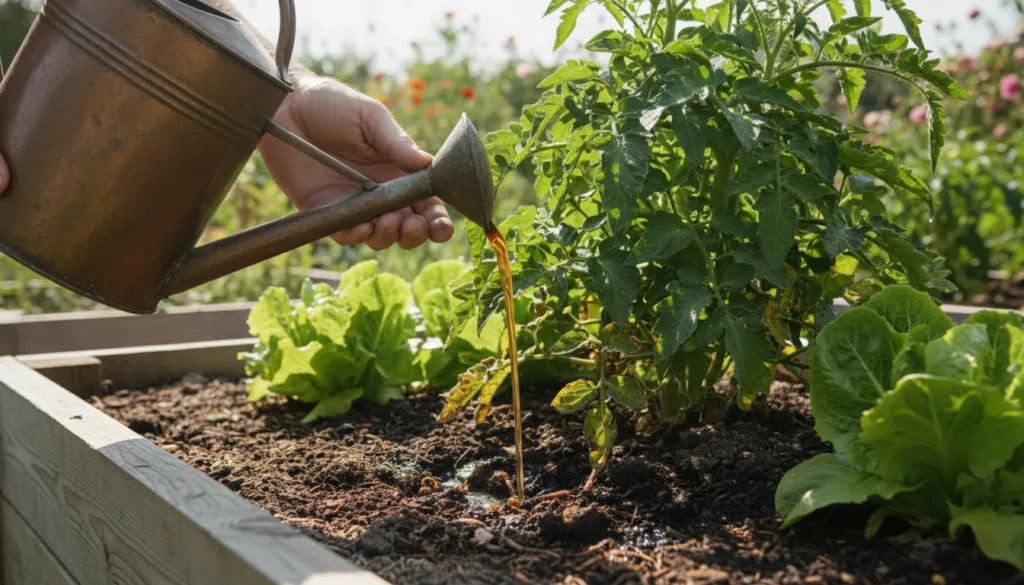
Compost Tea: Liquid Gold for Your Plants
Compost tea is a nutrient-rich liquid made by steeping compost in water. It’s fantastic for giving plants a quick, gentle boost, especially seedlings and young plants.
- DIY Method: Place some finished compost in a burlap bag or old stocking, steep it in a bucket of non-chlorinated water for 1-3 days, stirring occasionally.
- How to Use: Dilute with water until it looks like weak tea, then use it to water plants or as a foliar spray.
Banana Peels: Potassium Powerhouse
Roses, tomatoes, and other fruiting plants adore potassium! Banana peels are rich in this vital nutrient, promoting strong blooms and healthy fruit development.
- How to Use: Chop peels into small pieces and bury them near the base of potassium-loving plants, or blend them with water for a liquid feed.
Eggshells: Calcium for Stronger Plants
Calcium is crucial for cell wall development, helping plants grow strong and resist diseases like blossom end rot in tomatoes. Eggshells are an excellent source!
- How to Use: Rinse and dry eggshells, then crush them into a fine powder. Sprinkle around plants or incorporate into the soil.
Coffee Grounds: Nitrogen Boost & Acidity Lover
Coffee grounds are rich in nitrogen, which promotes lush green foliage. They also add a slight acidity to the soil, making them perfect for acid-loving plants like blueberries, hydrangeas, azaleas, and rhododendrons.
- How to Use: Sprinkle cooled, used coffee grounds directly onto the soil around appropriate plants, or add them to your compost pile.
Wood Ash: A Touch of Potash (Use Sparingly!)
If you have a fireplace or wood stove, wood ash can provide potassium and trace minerals. However, it’s alkaline, so use it sparingly and only on soils that need a pH increase, or with plants that prefer higher pH.
- How to Use: Lightly sprinkle a small amount around plants that tolerate or prefer alkaline conditions, or add a small amount to your compost. Avoid using on acid-loving plants.
Tips for Applying Natural Fertilizers
- Don’t Overdo It: While natural fertilizers are gentler, too much of a good thing can still be harmful. Start with small amounts and observe your plants.
- Bury or Incorporate: Many solid natural fertilizers (like banana peels or eggshells) work best when buried or lightly incorporated into the topsoil. This helps them break down and keeps pests away.
- Regularity: Most natural fertilizers break down slowly. Apply them regularly but not excessively, perhaps every 4-6 weeks during the growing season.
- Observe Your Plants: Your plants will tell you what they need! Yellowing leaves might indicate a nitrogen deficiency (coffee grounds), while poor flowering might suggest a need for more potassium (banana peels).
Grow a Healthier, Happier Garden Today!
Embracing natural fertilizers is a rewarding journey that connects you more deeply with your garden. You’ll not only grow healthier plants but also foster a more sustainable and vibrant ecosystem right in your backyard. Say goodbye to guesswork and harmful chemicals, and hello to a thriving garden nurtured by nature’s own bounty.
What natural fertilizer hacks do you use in your garden? Share your favorite tips and tricks in the comments below – let’s inspire each other to grow greener!