Did you know that throughout history, various cultures have looked to nature for allies in supporting well-being? Long before modern medicine, traditional practices embraced the wisdom that certain foods and herbs could offer unique support to specific organs and body systems. This ancient knowledge, passed down through generations, invites us to reconnect with the natural world and explore the gentle power of ‘food as medicine’.
At Remedy – T.Nhàn, we love uncovering these time-honored secrets for natural wellness. Today, we’re diving into some incredible traditional foods celebrated for their potential to help keep our bodies feeling balanced and vibrant.

Exploring Nature’s Organ-Supportive Allies
Our bodies are intricate systems, and each organ plays a vital role. While we always advocate for a balanced diet and healthy lifestyle, it’s fascinating to learn about the specific plants that have traditionally been revered for their supportive properties. Let’s explore some of these natural allies:
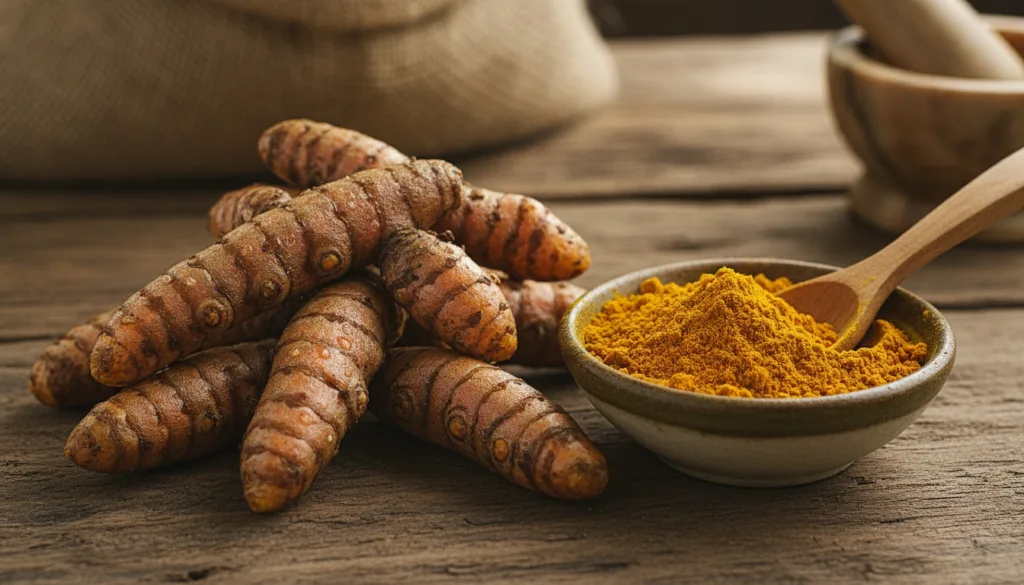
1. Liver Support: Turmeric Root’s Golden Touch
This vibrant yellow spice, often called ‘the golden root,’ has been a cornerstone in traditional practices for centuries. Turmeric root is cherished for its potential to support overall liver function and contribute to a healthy inflammatory response in the body. It’s a wonderful addition to curries, soups, or even warm lattes.
2. Heart Health: Hawthorn Berry’s Embrace
Small yet mighty, hawthorn berries have a long history of traditional use for supporting cardiovascular wellness. These ruby-red berries are often found in herbal teas and extracts, believed to contribute to overall heart health and circulatory comfort.
3. Brain Power: Ginkgo Biloba for Clarity
Ginkgo biloba leaves are widely recognized in traditional practices for their role in promoting healthy cognitive function and supporting circulation, especially to the brain. Many enjoy ginkgo in a warm cup of herbal tea.
4. Kidney Wellness: Goji Berry’s Sweet Boost
These beautiful red berries are a staple in traditional wellness, particularly valued for their potential to support kidney health and enhance overall vitality. Goji berries are delicious added to smoothies, oatmeal, or enjoyed as a snack.
5. Digestive Harmony: Licorice Root’s Soothing Power
For centuries, licorice root has been a go-to traditional remedy for soothing digestive discomfort and promoting gastrointestinal balance. Its naturally sweet flavor makes it a pleasant addition to herbal teas.
6. Lung Health: Astragalus Root for Resilience
Astragalus root is a powerful adaptogen traditionally used to support the immune system and promote respiratory well-being. It’s often included in warming soups and stews, especially during seasonal changes.
7. Women’s Balance: Dong Quai’s Gentle Nurturing
Known as ‘female ginseng’ in some traditions, Dong Quai is a revered herb traditionally used to support women’s hormonal balance and overall reproductive health. It’s commonly found in herbal blends designed for women’s wellness.
8. Joint & Inflammatory Comfort: Boswellia Resin
From ancient traditions, Boswellia resin (also known as frankincense) has been valued for its properties in supporting joint comfort and a healthy inflammatory response. It’s often used in topical applications or internal supplements.
9. Skin & Detox: Neem Leaf’s Cleansing Touch
Neem leaf has been an integral part of traditional wellness, especially for promoting clear skin and aiding in the body’s natural detoxification processes. It’s sometimes used in herbal infusions or external washes.
10. Immune Boost: Echinacea Flower’s Protective Shield
Perhaps one of the most well-known traditional immune supporters, Echinacea flowers have been used for generations to help bolster the body’s natural defenses, especially during cold and flu season. Enjoy it as a comforting herbal tea.
How to Incorporate These Natural Allies into Your Routine
Adding these traditional foods and herbs to your daily life can be simple and enjoyable:
- Teas: Many of these, like ginkgo, licorice, astragalus, neem, and echinacea, can be brewed into soothing herbal teas.
- Cooking: Turmeric root is fantastic in savory dishes. Goji berries can be added to breakfast bowls, baked goods, or snacks.
- Smoothies & Juices: Incorporate berries like goji for an extra boost.
- Supplements: Some of these herbs are available in supplement form for convenience, but always choose reputable brands.
Important Considerations for Your Wellness Journey
While exploring traditional remedies is exciting, it’s essential to approach natural health with awareness:
- Listen to Your Body: Pay attention to how your body responds to new foods and herbs.
- Quality Matters: Source your herbs and foods from trusted, organic suppliers when possible.
- Consult a Professional: If you have existing health conditions, are taking medications, are pregnant, or nursing, please consult with a healthcare professional before making significant changes to your diet or incorporating new herbal remedies. Natural remedies can complement, but are not a substitute for, professional medical advice.
Embrace the Wisdom of Nature
The journey of natural wellness is about curiosity, exploration, and finding what truly nourishes you. These traditional foods and herbs offer a glimpse into ancient wisdom, reminding us of the profound connections between nature and our well-being. We hope this guide inspires you to explore new ways to support your body naturally.
Which of these natural allies are you most excited to learn more about or try? Share your thoughts and experiences in the comments below!