Most people plant bằng lăng for its purple and pink blooms, then never look at the rest of the tree. The leaves are the part traditional home preparations rely on most, and the bark plays a supporting role. This guide explains what the plant is, how the leaves and bark are usually prepared as simple teas and decoctions, and the safety limits to respect before you try anything.
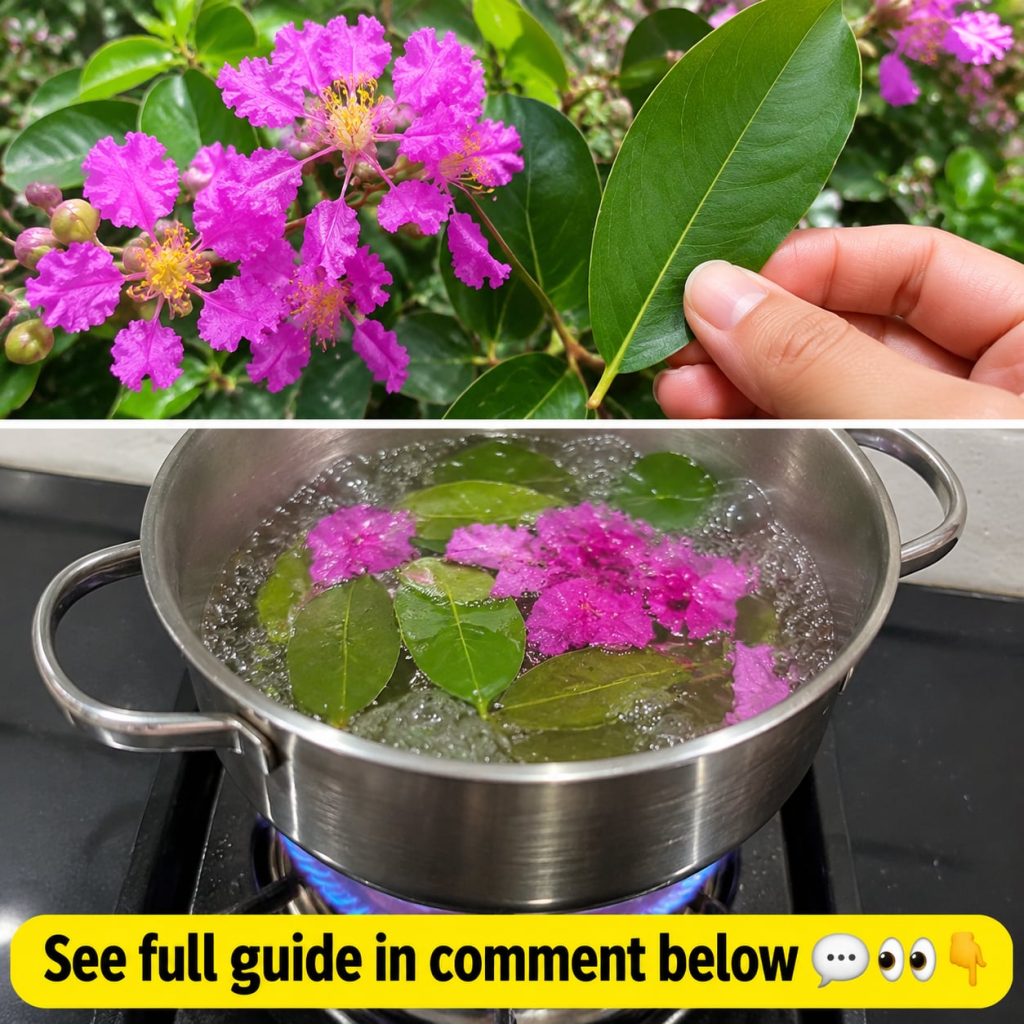
What Is Bằng Lăng?
Bằng lăng is the common Vietnamese name for Lagerstroemia speciosa, a large ornamental tree also known as queen’s crape myrtle. It grows widely in Southeast Asia and is common along streets, parks, and home gardens. In traditional practice, the leaves are the main ingredient for teas, while the bark is typically simmered into a decoction.
Quick Tip: Only use plants you can positively identify. Several ornamental trees look similar, and plants grown with pesticides or roadside pollution should be avoided.
Ingredients and Approximate Measurements
You do not need special equipment. Most home preparations use only the plant material, clean water, and a covered pot or mug.
- Fresh bằng lăng leaves: 5 to 8 medium leaves for one cup of water
- Dried bằng lăng leaves: about 1 teaspoon, lightly crushed, for one cup of water
- Dried bark pieces: about 1 tablespoon, chopped small, for 2 cups of water
- Clean filtered water
Simple Leaf Tea Method
- Rinse the leaves under cool running water and remove any damaged or discolored pieces.
- Bring one cup of water to a gentle boil, then remove it from the heat.
- Add the leaves and cover the cup. Steep for 10 to 15 minutes.
- Strain and drink it warm or at room temperature.
Bark Decoction Method
- Place the chopped dried bark in 2 cups of water in a small saucepan.
- Bring to a boil, then reduce the heat and simmer gently for about 10 minutes.
- Turn off the heat, cover, and let it rest for 5 minutes.
- Strain and reduce the liquid slightly if you prefer a stronger taste.
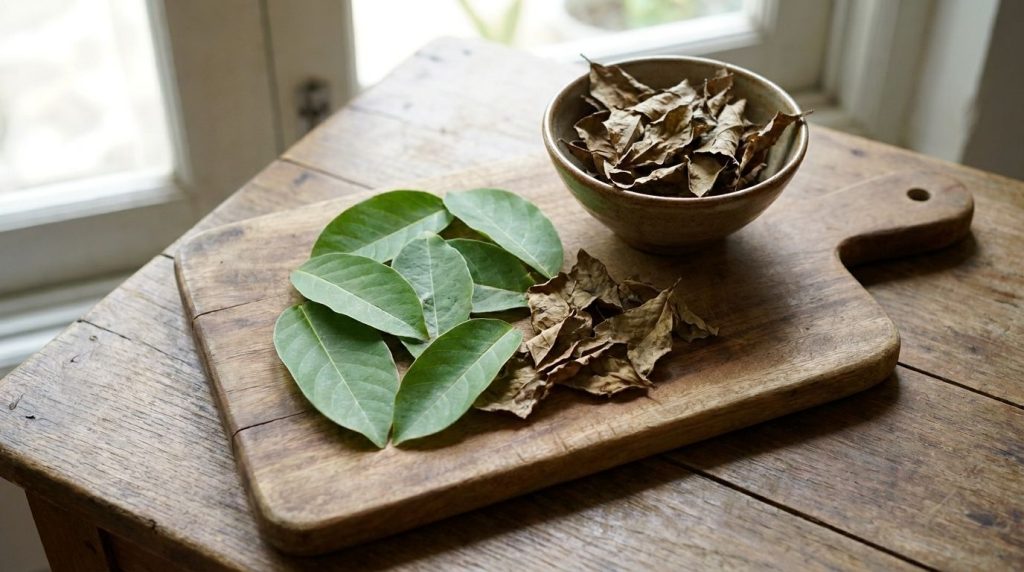
Fresh vs Dried: Quick Reference
| Form | Best Use | Storage Life | Notes |
|---|---|---|---|
| Fresh leaves | Same-day tea | 2 to 3 days refrigerated | Wash just before use |
| Dried leaves | Ready-to-brew tea | 6 to 12 months in a sealed jar | Keep away from light and moisture |
| Dried bark | Decoction | 6 to 12 months in a sealed jar | Simmer, do not boil hard |
How Often Should You Use It?
Traditional use is typically occasional rather than constant. A common approach is one cup of leaf tea per day for a short period, then a break. Do not increase the amount because you expect faster results. Stop and speak with a health professional if you notice stomach discomfort, dizziness, or any unusual symptoms.
Before You Brew: If you take medication for blood sugar or blood pressure, check with your doctor first. Traditional use has focused on blood sugar, so combining this tea with medication may need professional guidance.
How to Choose Good Ingredients
Buy dried leaves from a reputable herbal supplier that lists the botanical name, harvest date, and country of origin. If you harvest your own, pick leaves from a tree that is not sprayed, not near heavy traffic, and not showing spots, mold, or insect damage. Fresh leaves should be firm, green, and free of black edges.
Storage Tips
Store dried leaves and bark in a clean, dry, airtight glass jar away from sunlight and heat. Add no moisture. Label the jar with the date. Fresh leaves should be wrapped in a dry paper towel and kept in the refrigerator, then used within two to three days.
Practical Tips for Better Results
- Crush dried leaves lightly just before brewing to release more flavor.
- Use a lid while steeping so the aroma stays in the cup.
- Make small batches. Fresh tea loses quality after a day.
- Keep one tea and one bark batch separate so you can track what you used.
Common Mistakes
- Using damaged or moldy leaves: discard any leaves with spots or a musty smell.
- Boiling too long: hard boiling can make the taste bitter and harsh.
- Storing in damp jars: moisture encourages mold quickly.
- Using sprayed or roadside plants: chemicals and pollution can contaminate the material.
- Overusing: more is not better, and a larger amount can cause side effects.
Cautions: Who Should Avoid It
Avoid bằng lăng preparations if you are pregnant, breastfeeding, or preparing for surgery. Children should not use these preparations without medical advice. People with diabetes, low blood pressure, or on prescription medication should talk with a clinician before starting. Stop use if you notice rash, itching, nausea, or dizziness.
Quick Summary
- Best preparation: simple leaf tea for everyday use; bark decoction for a stronger traditional brew.
- Best use-case: occasional home tea as part of a broader healthy routine.
- Storage: dried material in an airtight jar; fresh leaves refrigerated for 2 to 3 days.
- When to use: in the morning or after a meal, one cup at a time.
- What to avoid: damaged leaves, sprayed plants, overuse, and use without medical advice if you have a health condition.
Frequently Asked Questions
Can I use fresh or dried leaves?
Yes. Fresh leaves give a lighter taste, while dried leaves are more concentrated and easier to store.
How long does dried bằng lăng last?
When kept sealed, dry, and away from light, dried leaves and bark usually stay good for about 6 to 12 months.
Can I refrigerate the tea?
You can refrigerate brewed tea for up to 24 hours in a covered container, but fresh is best.
Can I freeze the leaves?
Freezing fresh leaves in a sealed bag works for short-term storage, though texture may change after thawing.
Which part is best to use?
The leaves are most common for tea. Bark is usually prepared as a decoction and is a separate preparation.
Can I reuse the leaves?
It is better to use fresh material for each batch. Reused leaves have much less flavor and are harder to control.
When should I avoid it?
Avoid it during pregnancy, breastfeeding, before surgery, or when using blood sugar or blood pressure medication unless a clinician approves.
Short Conclusion
Bằng lăng is more than a flowering street tree. Its leaves and bark have a place in traditional home preparations, but the best results come from clean material, gentle brewing, and cautious use. Start with a small amount, keep notes, and talk with a health professional if you have an existing condition.
You may also like: Read more about simple herbal tea storage.
Related remedy: See the full guide to homemade leaf teas.