Most people know Tradescantia zebrina as a vibrant, easy-to-grow houseplant, admired for its striking purple and silver-green striped leaves that cascade gracefully from hanging baskets. But beyond its decorative appeal, this common plant carries a history of traditional applications that many overlook. While caution is paramount with any plant-based remedy, understanding these uses can shed new light on its potential in the home for specific topical needs.
Known by various names, including Inchplant and the more controversial ‘Wandering Jew,’ Tradescantia zebrina has been traditionally explored for its properties, particularly in regions where it grows abundantly. Our focus here isn’t on broad medical claims, but on the practical preparation of a simple leaf rinse, historically used for minor skin irritations or as a general botanical compress. Let’s delve into how you might prepare and use this colorful plant safely and effectively.
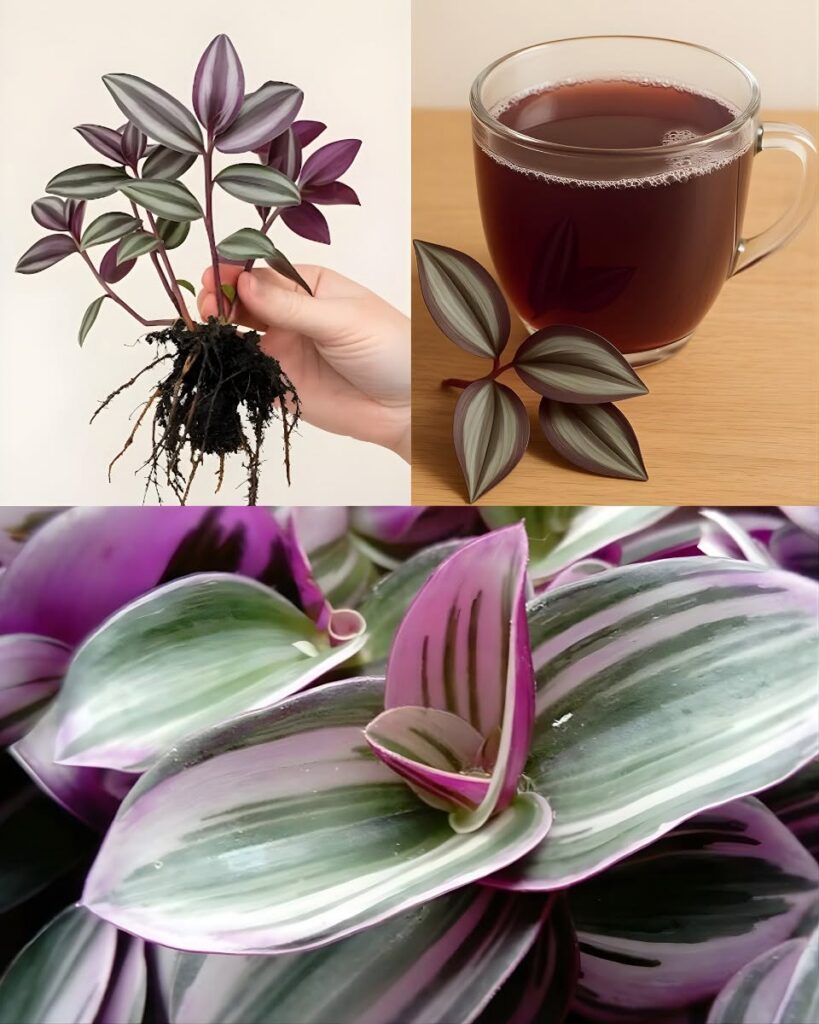 Tradescantia zebrina, a vibrant houseplant with a hidden history of traditional uses.
What is Tradescantia Zebrina?
Tradescantia zebrina is a species of spiderwort native to Mexico, Central America, and Colombia. It’s recognized by its ovate, pointed leaves that feature a deep purple underside and a striking silver-green and purple striped pattern on top. The plant is known for its rapid growth, trailing habit, and ease of propagation, often rooting readily from cuttings, hence its ‘Inchplant’ moniker for growing an inch a week. Historically, various cultures have used Tradescantia species for a range of purposes, from ornamental to traditional remedies, primarily for topical applications.
Did You Know?
The name ‘Wandering Jew’ is widely considered outdated and offensive due to its historical connotations. Many plant enthusiasts and botanists now prefer the names ‘Inchplant,’ ‘Silver Inch Plant,’ or simply ‘Tradescantia zebrina’ to refer to this beautiful botanical.
Ingredients for a Soothing Leaf Rinse
Preparing a basic Tradescantia zebrina leaf rinse is straightforward, requiring minimal ingredients. This preparation is primarily intended for external use, such as a skin compress or hair rinse, and is not recommended for internal consumption due to lack of comprehensive safety data for this particular species.
- Fresh Tradescantia zebrina leaves: Approximately 1 cup, loosely packed. Ensure your plant has not been treated with pesticides or chemical fertilizers.
- Clean water: 2 cups (filtered or distilled is ideal).
Approximate Measurements
The ratio of leaves to water can be adjusted, but a good starting point for a mild topical infusion is:
- 1 part fresh leaves to 2 parts water.
For example, if you collect 1 cup of leaves, you would use 2 cups of water. This ensures a concentrated enough liquid for topical application without being overly potent.
Formula / Recipe: Tradescantia Zebrina Topical Rinse
This recipe creates a simple, soothing liquid that can be applied externally. Always perform a patch test first.
- Gather fresh, healthy Tradescantia zebrina leaves.
- Wash the leaves thoroughly under cool, running water to remove any dust or small insects.
- Bring the water to a boil in a clean saucepan.
- Once boiling, remove the saucepan from the heat.
- Add the washed Tradescantia zebrina leaves to the hot water.
- Cover the saucepan and let the mixture steep for 15-20 minutes. This allows the beneficial compounds to infuse into the water.
- Strain the liquid into a clean, heat-proof container, discarding the spent leaves.
- Allow the liquid to cool completely before use.
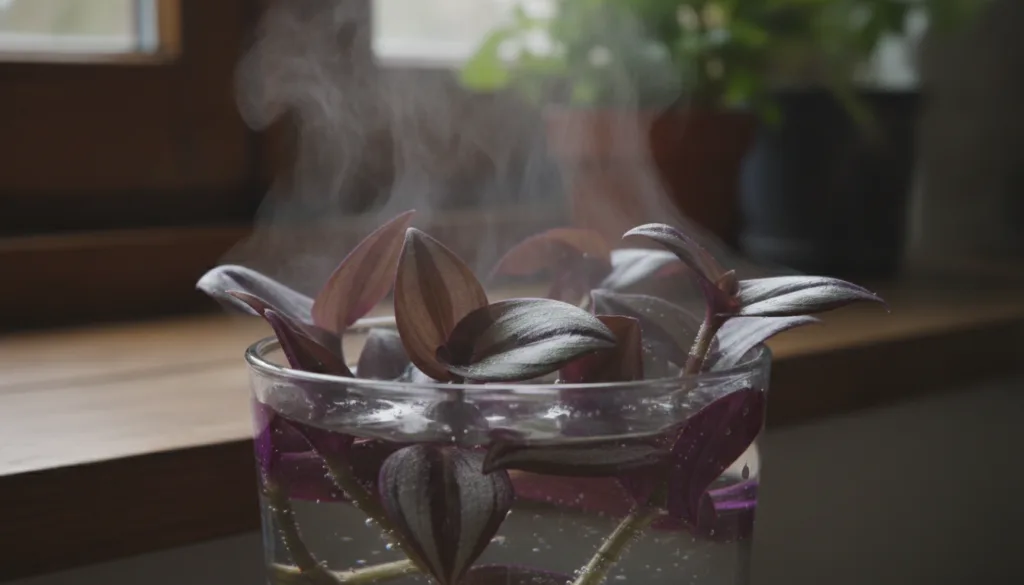 Steeping the leaves extracts their properties into a soothing liquid.
Step-by-Step Method
Preparing Your Tradescantia Zebrina Rinse
- Harvesting: Carefully snip about 1 cup of healthy, blemish-free leaves from your plant. Avoid any leaves showing signs of disease or damage.
- Cleaning: Rinse the leaves under cool tap water. You can gently rub them to ensure they are clean. Pat them dry with a clean cloth or paper towel.
- Heating Water: Pour 2 cups of filtered water into a small saucepan. Bring it to a rolling boil over medium-high heat.
- Infusion: As soon as the water boils, turn off the heat. Immediately add the cleaned leaves to the hot water. Cover the saucepan with a lid.
- Steeping: Let the leaves steep for 15 to 20 minutes. This duration is crucial for extracting the plant’s compounds without over-processing.
- Straining: Once steeped, use a fine-mesh sieve or cheesecloth to strain the liquid into a clean glass jar or bottle. Press down on the leaves to extract all the liquid.
- Cooling: Allow the liquid to cool completely to room temperature before attempting to use it.
How to Use
The cooled Tradescantia zebrina rinse is primarily for external application.
- For minor skin irritations: Dampen a clean cloth or cotton pad with the cooled liquid and gently apply it to the affected area. Do not rub.
- As a compress: Soak a clean cloth in the rinse, wring out excess liquid, and apply as a cool compress to areas needing soothing.
- Hair rinse: After shampooing, pour the cooled rinse over your scalp and hair. Gently massage, then rinse with clear water.
Always perform a patch test on a small, inconspicuous area of your skin (e.g., inner forearm) 24 hours before full application to check for any adverse reactions.
How Often to Use
For topical applications, you can use the rinse 1-2 times daily as needed for minor irritations. For hair rinses, once or twice a week is generally sufficient. Discontinue use if any irritation occurs.
How to Buy / How to Choose Ingredients
The best way to ensure quality ingredients is to grow Tradescantia zebrina yourself. It’s an incredibly easy plant to care for and propagate.
- Growing your own: Obtain a healthy cutting from a friend or nursery. Plant it in well-draining soil in a bright, indirect light location.
- Choosing leaves: Always select fresh, vibrant leaves that are free from pests, yellowing, or dark spots. Leaves from outdoor plants (if applicable in your climate) should be from an area free of pollutants and sprays.
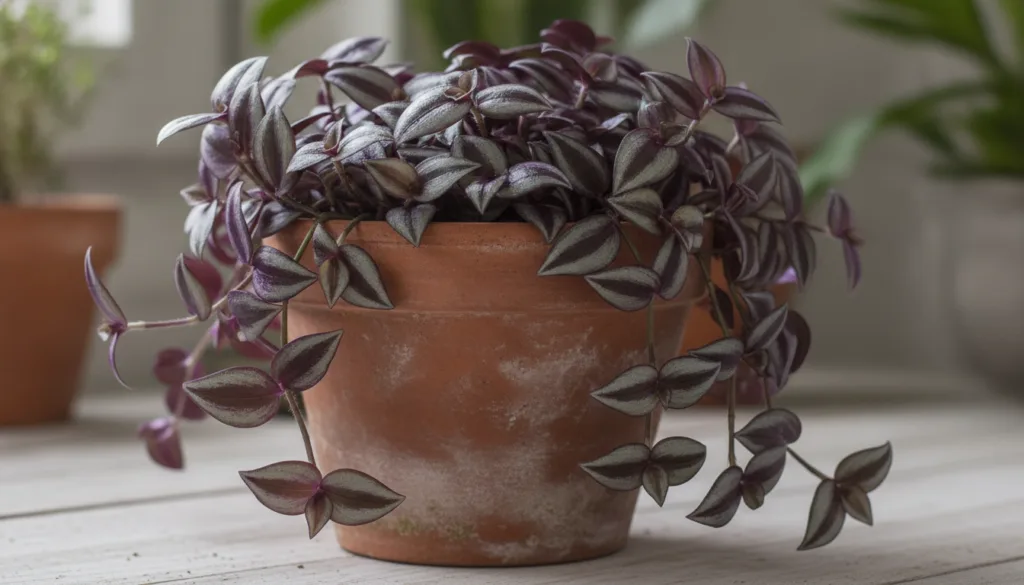 Cultivating your own Tradescantia zebrina ensures a fresh supply of chemical-free leaves.
Storage
Store the prepared Tradescantia zebrina rinse in a clean, airtight glass bottle or jar in the refrigerator. It is best to use it within 3-5 days. Discard if you notice any changes in color, smell, or clarity, or if mold appears.
Quick Tip: Fresh vs. Dried
FeatureFresh LeavesDried LeavesPotencyGenerally higher for infusionsCan be good, but some compounds may degradeAvailabilitySeasonal/Requires live plantShelf-stable, always availablePreparationDirect infusionRequires rehydration/simmeringStorageHarvest as neededStore in airtight container, cool, dark placeBest for RinseRecommended for this recipePossible, but fresh preferred for ease
Practical Tips
- Harvesting: Harvest leaves in the morning after the dew has dried, when the plant’s compounds are often most active.
- Gentle handling: Handle the leaves gently to avoid bruising, which can release enzymes that alter the plant’s properties.
- Use clean tools: Always use clean scissors or pruning shears when harvesting to prevent introducing pathogens to your plant.
- Observe your plant: A healthy plant yields healthy leaves. Ensure your Tradescantia zebrina is thriving before harvesting for remedies.
Common Mistakes
- Using pesticide-treated plants: Never use leaves from plants that have been sprayed with pesticides or treated with systemic chemicals, especially for any type of remedy.
- Improper identification: Ensure you are 100% certain it is Tradescantia zebrina. Misidentification of plants can lead to severe health issues.
- Boiling too long: Over-boiling can degrade sensitive compounds. Steeping off the heat is generally preferred for herbal infusions.
- Ignoring patch tests: Skipping a patch test can lead to unexpected skin reactions.
- Internal consumption: This is a crucial mistake. Unless advised by a qualified herbalist or medical professional with specific knowledge of this plant’s internal safety and dosage, avoid consuming Tradescantia zebrina.
- Storing incorrectly: Leaving the rinse at room temperature can lead to bacterial growth. Always refrigerate.
Cautions / Who Should Avoid It
While Tradescantia zebrina is widely grown, it’s important to approach its use with caution:
- Skin irritation: The sap of Tradescantia zebrina can cause skin irritation or contact dermatitis in some individuals. Always perform a patch test.
- Internal use: Avoid internal consumption. There is insufficient scientific evidence to support its safety as an internal remedy, and some Tradescantia species are known to be mildly toxic if ingested. Keep out of reach of children and pets.
- Pregnancy and breastfeeding: Pregnant or breastfeeding individuals should avoid using this plant in any form due to lack of safety data.
- Allergies: If you have known allergies to plants in the Commelinaceae family, avoid using Tradescantia zebrina.
Quick Summary
Tradescantia zebrina, commonly known as Inchplant, offers a simple, traditional way to prepare a topical rinse. It’s best used for minor external skin soothing or as a hair rinse. Harvest fresh, clean leaves, steep them in hot water, strain, and cool the liquid. Store the rinse in the refrigerator for up to 5 days. Remember to always perform a patch test and never consume this plant internally.
FAQ
- Can I use dried Tradescantia zebrina leaves?
- While possible, fresh leaves are generally preferred for infusions as they retain more volatile compounds.
- How long does the rinse last?
- The prepared rinse should be stored in the refrigerator and used within 3-5 days.
- Can I freeze the rinse for longer storage?
- Freezing is not recommended as it can alter the rinse’s texture and potency upon thawing.
- What part of the plant is best to use?
- For this rinse, the leaves are the primary part used.
- Can I reuse the steeped leaves?
- No, the beneficial compounds will have largely been extracted in the first steeping. Discard them.
- Is Tradescantia zebrina safe for pets?
- No, it’s considered mildly toxic to pets and can cause oral irritation if ingested. Keep it out of their reach.
- What if I get the sap on my skin?
- Wash the area thoroughly with soap and water. If irritation persists, consult a healthcare professional.
Conclusion
Tradescantia zebrina is more than just a pretty houseplant; it holds a place in traditional practices for simple, external remedies. By carefully preparing a leaf rinse, you can explore a practical application for minor skin needs, all while embracing a mindful, hands-on approach to natural well-being. Remember the golden rule: prioritize safety through proper identification, chemical-free sourcing, and always reserving this plant for external use after a patch test. Nature’s remedies are fascinating, but knowledge and caution are our most important tools.