Unlock the Secret: The Viral Potato Hair Trick!
Have you ever scrolled through your feed and wondered, “Why in the world are people grating potatoes for their hair?” It sounds a bit unconventional, doesn’t it? Yet, this intriguing practice has been quietly gaining traction, championed by those seeking a natural, affordable boost for their luscious locks. It’s a prime example of how everyday kitchen staples might hold unexpected beauty secrets.

Why This Matters for Your Hair
In a world brimming with complex hair care products, many of us are increasingly turning towards simpler, more natural solutions. The appeal of remedies like the potato hair trick lies in their accessibility and the belief that nature often provides the gentlest, most effective care. People are drawn to this trend hoping to revitalize dull strands, soothe an irritated scalp, or simply add a healthy shine without harsh chemicals.
You might be wondering if this is just another fleeting trend or if there’s real substance behind it. While the idea of a potato mask might seem quirky, it taps into our innate desire for holistic wellness and the wisdom of traditional practices. It offers an alternative for those who prefer to nurture their hair with ingredients they already trust from their kitchen.
The Potential of Potatoes: What’s the Buzz?
Potatoes are far more than just a versatile dinner side. They are packed with a variety of nutrients, and it’s these compounds that spark curiosity regarding their hair care potential.
What’s Inside a Potato?
- Vitamins B & C: These vitamins are known for their antioxidant properties, which can help protect hair cells from damage and support overall scalp health.
- Zinc & Iron: Essential minerals that play a role in hair growth and repair. Deficiencies in these can sometimes contribute to hair thinning.
- Niacin (Vitamin B3): Important for circulation, which can benefit the hair follicles by ensuring they receive adequate nutrients.
- Starches: While not a direct nutrient, the starches in potatoes are believed to have a soothing and conditioning effect, potentially adding shine and softness to hair.
Traditional Use vs. Modern Understanding
Historically, various cultures have used natural ingredients for beauty and wellness, often passed down through generations. The potato’s use for hair is primarily rooted in anecdotal evidence and traditional folk remedies rather than extensive scientific research. Many who advocate for it believe it works as a natural conditioner, helps clarify the scalp, and even provides a certain luster to the hair.
While modern science is still catching up to fully explore these traditional claims, the idea is that the vitamins, minerals, and starches may contribute to a healthier scalp environment and potentially improve the texture and appearance of hair. It’s important to approach such remedies with an open mind, recognizing that individual results can vary and they are not a substitute for medical treatments for serious conditions.
Your Practical Guide to the Potato Hair Trick
Ready to give this viral remedy a try? Here’s how you can easily incorporate potatoes into your natural hair care routine.
Preparation: Making Potato Juice
- Choose Your Potato: Start with 1-2 medium-sized fresh, clean potatoes. Any common variety works.
- Wash and Peel: Thoroughly wash the potatoes. You can peel them or leave the skin on, depending on your preference (the skin contains some nutrients, but also potential dirt).
- Grate or Blend: Grate the potatoes finely using a grater, or cut them into small pieces and blend them in a food processor with a tiny splash of water (just enough to get it moving).
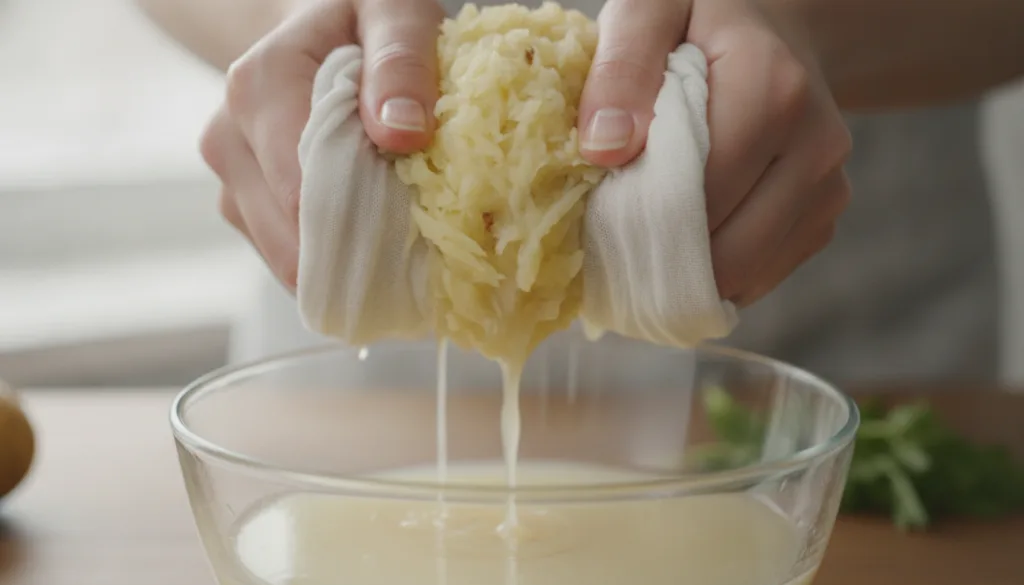
- Extract the Juice: Place the grated or blended potato pulp into a cheesecloth, a fine-mesh strainer, or a clean nylon stocking. Squeeze out as much juice as possible into a clean bowl.
Usage Ideas and Application
Once you have your potato juice, there are several ways to apply it:
- Scalp Treatment: For scalp health and to potentially stimulate follicles, apply the juice directly to your scalp using a cotton ball or a spray bottle. Gently massage it in for 5-10 minutes.
- Hair Rinse: After shampooing, you can use the potato juice as a final rinse. Pour it evenly over your hair, ensuring it saturates your strands.
- Hair Mask Base: Combine potato juice with other natural ingredients like aloe vera gel, honey, or a few drops of essential oils (like rosemary or lavender for hair) to create a nourishing mask.
How to Use:
- Clean Hair: It’s often best to apply potato juice to clean, damp hair.
- Apply Generously: Whether as a scalp treatment or an all-over rinse, ensure good coverage.
- Leave On: Let the potato juice (or mask) sit for about 20-30 minutes. If you’re sensitive, start with a shorter duration.
- Rinse Thoroughly: Rinse your hair well with lukewarm water. You may or may not need to shampoo again, depending on how your hair feels.
Frequency and Beginner Tips:
- Frequency: Start by using this trick 1-2 times a week. Observe how your hair responds and adjust accordingly.
- Consistency is Key: Like many natural remedies, visible benefits may take time and consistent application.
- Patch Test: Always perform a patch test on a small area of your skin (like behind your ear or inner arm) before applying it all over your scalp or hair.
Safety & Precautions: What You Should Know
While potatoes are generally considered safe, especially when applied topically, it’s always wise to exercise caution, particularly with any new natural remedy.
- Patch Test is a Must: Always do a small patch test before full application to check for any allergic reactions or skin sensitivities.
- Allergies: If you have known allergies to potatoes or nightshades, avoid this remedy.
- Skin Irritation: If you experience any redness, itching, or discomfort, rinse immediately and discontinue use.
- Green Potatoes: Avoid using potatoes that have turned green or sprouted, as these contain higher levels of solanine, which can be toxic if ingested, and potentially irritating topically for some.
- Existing Medical Conditions: If you have any underlying scalp conditions, skin sensitivities, or are pregnant or breastfeeding, it’s always best to consult with a healthcare professional or dermatologist before trying new remedies.
Key Takeaways
- The potato hair trick is a viral natural remedy gaining popularity for hair and scalp wellness.
- Potatoes contain vitamins (B, C) and minerals (zinc, iron, niacin) that may support hair health.
- Its benefits are largely anecdotal and rooted in traditional use, often praised for conditioning and adding shine.
- Preparing potato juice involves grating/blending and squeezing out the liquid.
- It can be used as a scalp treatment, hair rinse, or a base for a nourishing hair mask.
- Always perform a patch test and discontinue if irritation occurs.
- Consult a healthcare professional for specific concerns or pre-existing conditions.
FAQ: Your Questions Answered
Q1: Can potato juice really help with hair growth?
While potatoes contain nutrients that are beneficial for overall hair health, there is limited scientific evidence to definitively prove that potato juice directly stimulates hair growth. Many users report improvements in hair texture and shine, which can contribute to the appearance of healthier hair.
Q2: How often should I use potato juice on my hair?
Starting with 1-2 times a week is a good approach. Pay attention to how your hair and scalp respond. Some people may find more frequent use beneficial, while others might prefer less.
Q3: Does it work for all hair types?
Natural remedies often have varying effects on different hair types. Potato juice is generally considered safe for most hair types, but individual results will vary. It may be particularly appealing to those with dull or lacklustre hair looking for a natural shine boost.
Q4: Can I store potato juice?
It’s best to use fresh potato juice immediately after preparing it, as it can oxidize and lose its potency quickly. If you must store it, keep it in an airtight container in the refrigerator for no more than 24 hours.
Q5: Will potato juice lighten my hair?
There is no credible evidence to suggest that potato juice will lighten hair color. Its primary benefits, according to anecdotal reports, are related to shine, conditioning, and scalp health.
Related Reading for Natural Wellness
If you’re fascinated by the potential of everyday ingredients for wellness, you might enjoy exploring these related articles:
- The Power of Rosemary Oil for Hair and Scalp Health
- DIY Hair Masks: Natural Ingredients for Every Hair Concern
- Nourishing Your Hair from Within: Best Foods for Healthy Locks
- Understanding Scalp Health: Your Foundation for Beautiful Hair
- Natural Remedies for a Healthy, Balanced Scalp