Have you ever found yourself yearning for that perfect, subtle touch of color on your lips, one that feels utterly natural and comes without a long list of unfamiliar ingredients? In a world buzzing with synthetic options, many of us are rediscovering the beauty of simplicity and the gentle power of nature.
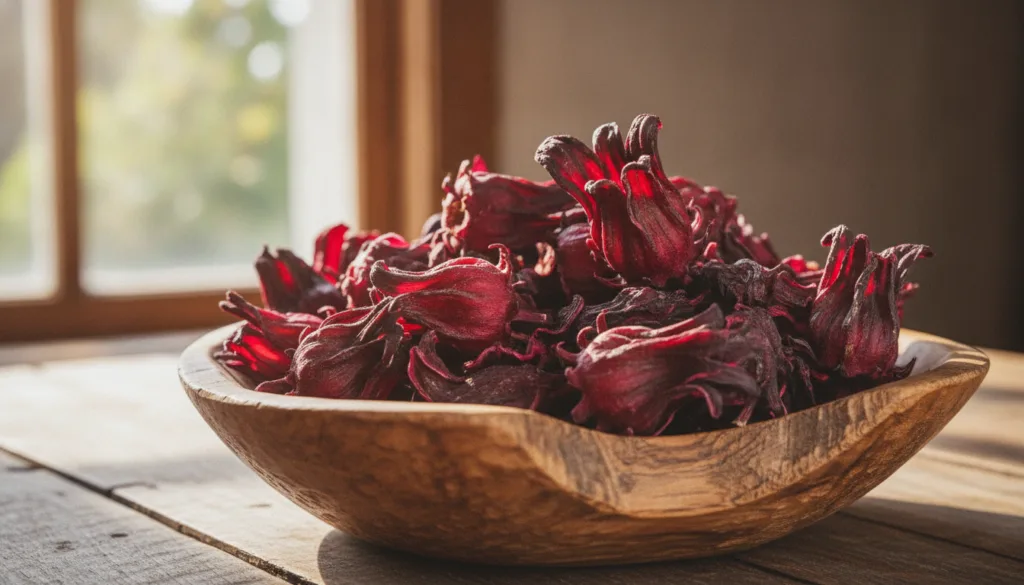
Today, we’re diving into an age-old secret that promises to transform your lip care routine into a delightful, plant-based ritual: harnessing the vibrant allure of dried hibiscus flowers for a truly natural lip tint. Get ready to explore how this floral gem can bestow a lovely, authentic rosy glow, adding a touch of natural vibrance to your everyday look.
Why This Matters: The Allure of Natural Lip Care
In an era where ‘clean beauty’ and ‘plant-based’ are more than just buzzwords, the quest for natural alternatives to everyday cosmetics has blossomed. Many store-bought lip products, while effective, often contain synthetic dyes, fragrances, and preservatives that some people prefer to avoid, especially for something applied directly to the lips. This is where the magic of natural remedies steps in.
The desire for healthy, vibrant lips is universal, but achieving it shouldn’t come at the cost of peace of mind. For those who prioritize ingredients straight from Mother Nature, exploring botanical solutions like hibiscus offers an exciting pathway. It’s a wonderful option for anyone looking to reduce chemical exposure, embrace sustainable beauty practices, or simply enjoy a fun, effective DIY project that yields beautiful results.
The Blooming Secret: How Hibiscus Colors Your Lips
Hibiscus, a stunning flower known for its vivid hues and delicate petals, isn’t just a feast for the eyes; it’s also a powerhouse of natural compounds. The secret to its tinting ability lies in its rich concentration of anthocyanins – natural pigments responsible for the red, purple, and blue colors found in many plants, fruits, and flowers. Think of blueberries, raspberries, and even red cabbage – all owe their color to these fascinating compounds.
Traditional Uses & Modern Understanding
-
Traditional Use: For centuries, cultures around the world have utilized hibiscus beyond just its ornamental beauty. It has been traditionally used in herbal teas for its tart flavor and potential health benefits, as well as a natural dye for food, fabrics, and even hair. Its staining properties were well-known and applied in various ways, including rudimentary cosmetic tints.
-
Modern Understanding: Today, we understand that the anthocyanins in hibiscus are not only color-rich but also potent antioxidants. While scientific research on hibiscus as a direct lip stain is limited, its established use as a natural dye and the known properties of anthocyanins provide a strong basis for its ability to impart a gentle, temporary tint. When applied to the lips, these pigments can subtly color the skin cells, giving them a lovely rosy hue.
The beauty of hibiscus for lip care is that it’s gentle, temporary, and allows for customization. You’re not just adding color; you’re engaging with a botanical ingredient known for its natural goodness.
Your Practical Guide to a DIY Hibiscus Lip Stain
Ready to create your own natural lip tint? It’s simpler than you might think!
What You’ll Need:
-
1 tablespoon dried hibiscus flowers (organic if possible)
-
1/4 cup hot water
-
Small, clean container (a lip balm pot or small jar with a lid)
-
Optional: A few drops of a nourishing carrier oil (e.g., sweet almond oil, jojoba oil, or fractionated coconut oil) for added moisture
-
Optional: 1/4 teaspoon beeswax pellets (for a more balm-like consistency, if desired)
Step-by-Step Instructions:
-
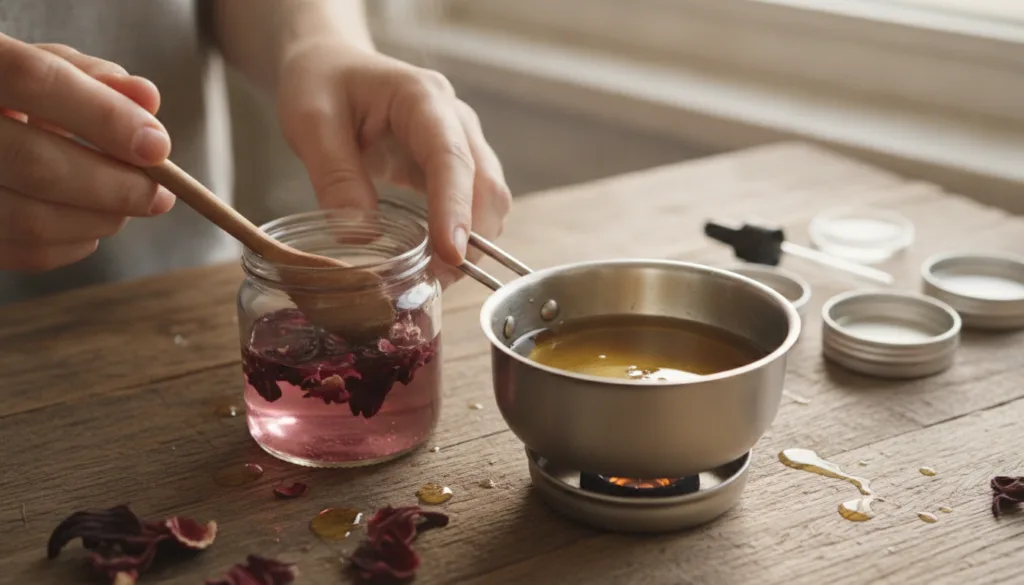
Steep the Hibiscus: Place the dried hibiscus flowers in a heat-safe bowl or jar. Pour the hot water over them. Let the flowers steep for at least 15-20 minutes, or longer for a more intense color. You’ll notice the water turning a beautiful deep red.
-
Strain the Infusion: Once the water has cooled and absorbed the color, strain the liquid through a fine-mesh sieve or cheesecloth into your clean container. Discard the spent hibiscus flowers.
-
Add Nourishment (Optional): If you want a more hydrating lip tint, add a few drops of your chosen carrier oil to the hibiscus liquid. Stir well.
-
For a Balm-Like Consistency (Optional): If you desire a thicker, balm-like consistency, melt the beeswax pellets gently in a double boiler or microwave. Once melted, carefully add the hibiscus infusion and carrier oil (if using) to the melted beeswax. Stir continuously until thoroughly combined. Pour into your lip balm pot.
-
Cool and Store: Let the mixture cool completely. If you added beeswax, it will solidify into a balm. If you only used the liquid, it will remain a liquid tint. Store in your sealed container.
Usage Tips:
-
Application: For the liquid tint, dab a small amount onto your lips using a clean fingertip or a cotton swab. For the balm, apply directly to your lips.
-
Layer for Intensity: The color is subtle initially. You can layer it for a deeper rosy hue. Allow each layer to dry slightly before applying the next.
-
Frequency: Reapply as desired throughout the day to refresh the color and moisture.
-
Storage: Store your homemade hibiscus lip tint in a cool, dark place. If you’ve used water, it’s best to keep it in the refrigerator to prolong its freshness, especially if not using beeswax as a preservative. Aim to use it within 1-2 weeks for the liquid version, and up to a month for the beeswax balm version.
This natural tint provides a beautiful, buildable color that enhances your natural lip tone, leaving them looking fresh and vibrant.
Safety & Precautions
While hibiscus is generally considered safe for external use, it’s always wise to exercise caution, especially with homemade remedies.
-
Patch Test: Before applying the tint all over your lips, dab a tiny amount on an inconspicuous area of your skin (like your inner wrist) and wait 24 hours to check for any redness, itching, or irritation.
-
Allergies: If you have known allergies to plants in the Malvaceae family (which includes hibiscus), or to any other ingredients used (like carrier oils or beeswax), avoid using this tint.
-
Broken Skin: Avoid applying the tint to broken or irritated skin on your lips.
-
For External Use Only: This preparation is intended for external cosmetic use. While hibiscus tea is consumed, this concentrated tint is not meant to be ingested.
-
Consult a Professional: If you have any underlying medical conditions, are pregnant or breastfeeding, or have sensitive skin, it’s always best to consult with a healthcare professional or dermatologist before trying new topical remedies.
Key Takeaways for Naturally Pink Lips
-
Dried hibiscus flowers offer a beautiful, natural way to achieve a subtle rosy lip tint.
-
The color comes from natural pigments called anthocyanins, which are also antioxidants.
-
Making your own hibiscus lip tint is a simple DIY project that can be customized with nourishing oils or beeswax.
-
Always perform a patch test before full application.
-
Store your homemade tint properly to maintain freshness.
FAQ: Your Questions About Hibiscus Lip Tint Answered
1. How long does the hibiscus lip tint last on the lips?
The tint is natural and temporary, similar to a stain from berries. It may last a few hours, depending on eating, drinking, and individual lip chemistry. Reapplication is easy for a fresh look.
2. Will this tint make my lips dry?
Pure hibiscus infusion might be slightly drying for some. That’s why we recommend adding a nourishing carrier oil like jojoba or almond oil to keep your lips moisturized. If you make a balm with beeswax, it will be even more hydrating.
3. Can I use fresh hibiscus flowers instead of dried ones?
While fresh hibiscus contains anthocyanins, dried flowers are more concentrated and easier to work with for a potent color extraction. Fresh flowers might also introduce more moisture, potentially reducing the shelf life of your homemade product.
4. Can I use different colors of hibiscus?
Yes, different hibiscus varieties have varying anthocyanin levels and can produce different shades. However, the most commonly available and effective for a rosy tint are the deep red varieties (like Hibiscus sabdariffa, or roselle).
5. Is this lip tint permanent?
No, this is a temporary lip stain, not a permanent dye. It will gradually fade throughout the day and with washing.
6. Can men use this for subtle lip color?
Absolutely! Anyone looking for a subtle, natural enhancement to their lip color can enjoy this hibiscus tint. It’s not about making a dramatic statement, but about enhancing natural vibrancy.
Related Reading You Might Enjoy
If you loved discovering the natural magic of hibiscus for your lips, you might also be interested in:
-
The Wonders of Rosehip Oil for Skin & Hair
-
DIY Herbal Infused Oils for Natural Skincare
-
Boosting Your Beauty with Antioxidant-Rich Foods
-
Exploring the Benefits of Green Tea for a Healthy Glow
-
Simple Home Remedies for Soft, Supple Lips