Most people spend a fortune on specialized foot creams, often overlooking how simple, potent remedies can be created right in their own kitchen. If you’re tired of rough, cracked heels and long for genuinely smooth feet without breaking the bank, this surprising DIY heel balm might be your new go-to. Combining common household items like Vaseline with the natural power of clove and lemon, this remedy focuses on deep moisturization and gentle revitalization.
Forget vague promises and complicated formulas. We’re diving into a straightforward, effective blend designed to transform your feet, proving that sometimes, the best solutions are the simplest ones. It’s time to give your feet the attention they deserve with ingredients you likely already have on hand.
What It Is: Your Homemade Heel Softener
This DIY heel balm is a rich, emollient preparation specifically formulated to hydrate and soften the tough skin on your heels. It leverages the occlusive properties of petroleum jelly to lock in moisture, combined with the beneficial compounds of clove and lemon. Petroleum jelly creates a protective barrier, reducing moisture loss, while the essential oils (or fresh extracts) contribute their unique properties to soothe and refresh the skin.
It’s an excellent alternative for those seeking a natural, cost-effective approach to common foot concerns like dryness, calluses, and minor cracks.
Key Ingredients for Your DIY Heel Balm
The magic of this balm lies in its simple yet powerful combination of ingredients. Each component plays a crucial role in achieving soft, smooth heels.
- Petroleum Jelly (Vaseline): The primary base, known for its occlusive properties. It forms a protective barrier on the skin, sealing in moisture and preventing further dryness.
- Clove Essential Oil: Offers warming and soothing properties. It’s often used in traditional remedies for its comforting sensation. When diluted, it can contribute to the overall soothing effect on tired feet.
- Lemon Essential Oil (or Fresh Lemon Juice): Provides a refreshing scent and contains natural exfoliating properties due to its acidity. It can help in gently sloughing off dead skin cells, revealing smoother skin underneath.
Approximate Measurements
Precision isn’t always key in DIY remedies, but these measurements provide a great starting point:
- 2 tablespoons Petroleum Jelly (e.g., Vaseline)
- 2-3 drops Clove Essential Oil
- 3-5 drops Lemon Essential Oil (or 1/2 teaspoon fresh lemon juice, strained)
Formula & Recipe: Crafting Your Balm
This recipe is designed for ease and effectiveness. Adjust essential oil drops based on your sensitivity and preferred scent strength.
Step-by-Step Method
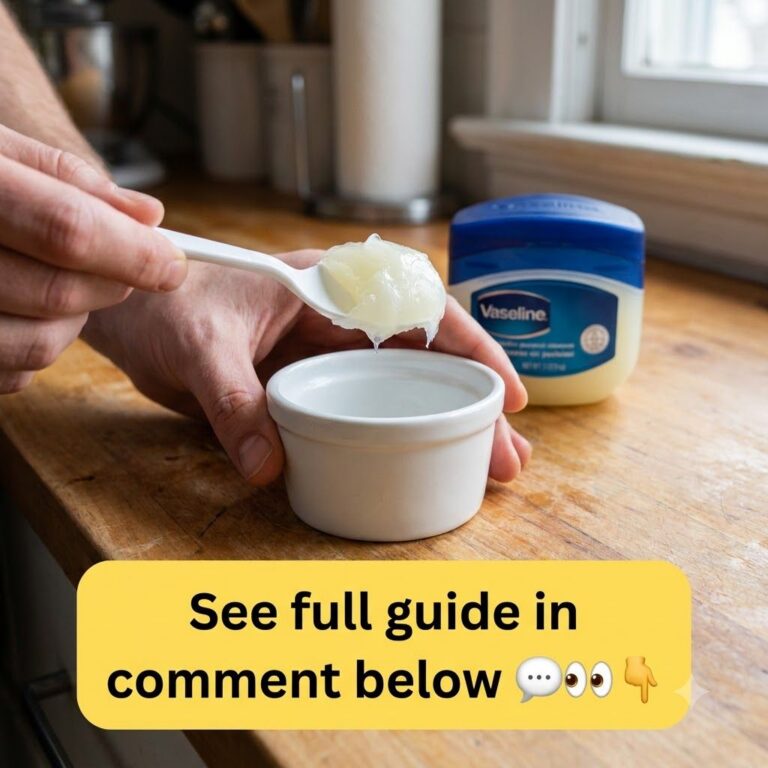
- Prepare Your Base: In a small, clean, heat-safe bowl, place the 2 tablespoons of petroleum jelly.
- Gently Melt (Optional but Recommended): For easier mixing, you can gently warm the petroleum jelly. Place the bowl in a larger bowl of hot water (bain-marie method) for a few minutes until it softens or becomes slightly liquid. Do not microwave directly unless the bowl is microwave-safe and you use very short bursts, as petroleum jelly can get very hot.
- Add Essential Oils: Once the petroleum jelly is softened, add 2-3 drops of clove essential oil and 3-5 drops of lemon essential oil. If using fresh lemon juice, add 1/2 teaspoon now.
- Mix Thoroughly: Stir all ingredients together using a clean spoon or small spatula until they are well combined and the mixture is uniform. Ensure the essential oils are fully incorporated.
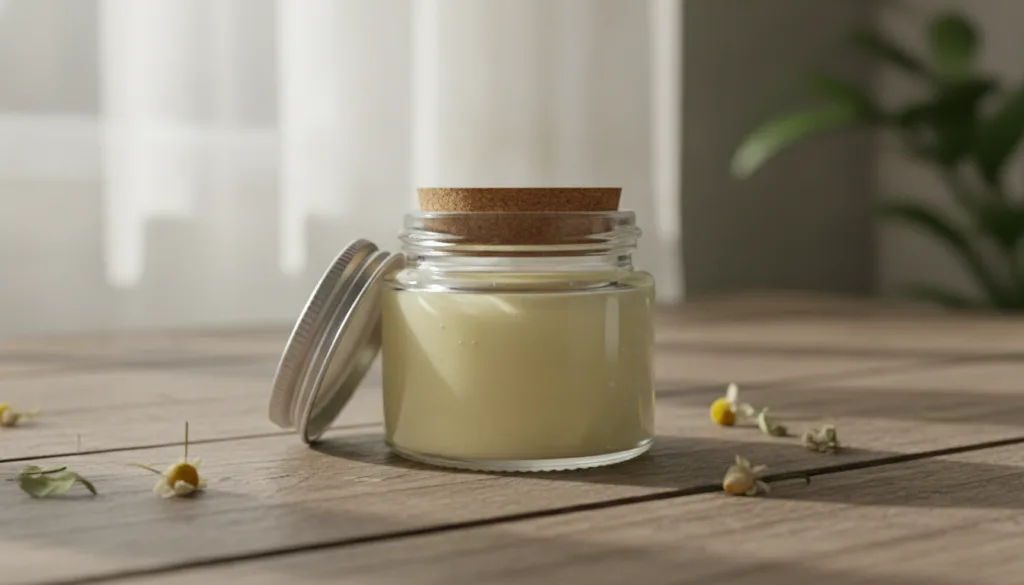
- Transfer and Cool: Pour the mixture into a small, clean, airtight container (a small jar with a lid works perfectly). Allow it to cool completely at room temperature or in the refrigerator until it solidifies into a balm consistency.
How to Use Your DIY Heel Balm
For best results, consistency is key. Follow these steps for application:
- Clean Your Feet: Start with clean, dry feet. A warm foot soak can be beneficial to soften the skin before application.
- Exfoliate (Optional but Recommended): Gently exfoliate your heels with a pumice stone or foot file to remove dead skin cells before applying the balm. This allows the balm to penetrate more effectively.
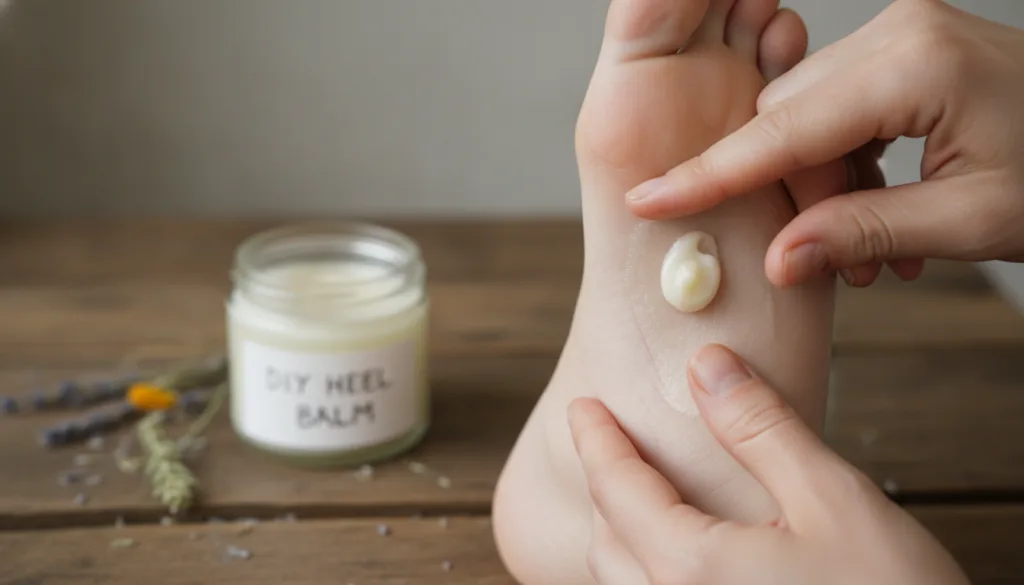
- Apply the Balm: Scoop a small amount of the balm with your fingers and massage it generously into your heels and any other dry areas of your feet. Focus on rough patches and cracked skin.
- Overnight Treatment: For an intensive treatment, apply the balm before bed and put on a pair of soft cotton socks. This helps the balm absorb deeply and prevents it from rubbing off.
How Often to Use
For initial treatment of very dry or cracked heels, apply the balm daily, preferably every evening. Once your heels start to feel smoother, you can reduce application to 3-4 times a week for maintenance. Regular use will yield the best long-term results.
Quick Tip: For extra softening, apply the balm after a warm shower when your skin is still slightly damp. Pat dry gently before applying.
How to Buy / How to Choose Ingredients
The quality of your ingredients directly impacts the effectiveness and safety of your balm.
- Petroleum Jelly: Choose a reputable brand like Vaseline. Ensure it’s 100% pure petroleum jelly, free from added fragrances or dyes, especially if you have sensitive skin.
- Clove Essential Oil: Purchase from a trusted essential oil supplier. Look for 100% pure, therapeutic-grade essential oil. Avoid fragrance oils, which lack therapeutic benefits.
- Lemon Essential Oil: Similar to clove, opt for pure, therapeutic-grade lemon essential oil. If using fresh lemon juice, choose organic lemons to avoid pesticide residues.
Storage
Store your DIY heel balm in a clean, airtight container in a cool, dark place away from direct sunlight and heat. This will help maintain its consistency and extend its shelf life. A small, dark glass jar is ideal for essential oil blends.
Practical Tips for Best Results
- Exfoliate Regularly: Incorporate gentle exfoliation into your foot care routine to prevent dead skin cell buildup.
- Consistency is Key: Don’t expect overnight miracles. Regular application will yield noticeable improvements over time.
- Patch Test: Always perform a patch test on a small area of skin before widespread application, especially if you have sensitive skin or are new to essential oils.
- Wear Cotton Socks: After applying the balm, especially at night, wearing cotton socks can enhance absorption and protect your bedding.
Common Mistakes to Avoid
Even simple remedies can go wrong if certain precautions aren’t taken:
- Using Undiluted Essential Oils: Never apply pure essential oils directly to your skin without a carrier. Petroleum jelly acts as your carrier here, but exceeding the recommended drops can still cause irritation.
- Applying to Open Wounds: This balm is for dry, intact skin. Do not apply it to deep cracks, open wounds, or infected areas.
- Skipping the Patch Test: Especially with essential oils, individual sensitivities vary. A quick patch test can save you from irritation.
- Ignoring Photosensitivity: Lemon essential oil (and fresh lemon juice) can increase skin’s sensitivity to sunlight. If you apply this balm during the day, especially if you’re exposed to direct sun, ensure your feet are covered to prevent potential sunburn or pigmentation.
- Using Rancid Ingredients: Always check the expiration dates of your essential oils and petroleum jelly.
Cautions & Who Should Avoid It
- Sensitive Skin: Essential oils can be potent. Perform a patch test. If irritation occurs, reduce the number of drops or discontinue use.
- Photosensitivity: Lemon essential oil can make your skin more sensitive to UV light. Avoid direct sun exposure on treated areas for at least 12 hours after application, or ensure feet are covered.
- Pregnancy/Breastfeeding: Consult a healthcare professional before using essential oils if pregnant or breastfeeding.
- Children: Essential oils should be used with extreme caution, if at all, on children. Consult a pediatrician.
- Allergies: If you have known allergies to petroleum products, clove, or lemon, do not use this balm.
- Diabetics / Compromised Circulation: Individuals with diabetes or poor circulation should consult a doctor before using any foot remedies, especially on broken skin.
Quick Summary: Your Heel Balm Cheat Sheet
- Best Preparation: Mix petroleum jelly with clove and lemon essential oils.
- Best Use-Case: Deeply moisturize and soften dry, rough, or cracked heels.
- Storage: Airtight container, cool, dark place.
- When to Use: Daily, especially overnight, for best results.
- What to Avoid: Undiluted essential oils, open wounds, direct sun exposure on treated areas (due to lemon).
Frequently Asked Questions (FAQ)
- Can I use fresh lemon juice instead of lemon essential oil?
- Yes, you can use 1/2 teaspoon of strained fresh lemon juice. Be aware that the balm’s shelf life might be slightly reduced due to the water content, and fresh lemon also has photosensitizing properties.
- How long does this DIY heel balm last?
- Stored properly in a cool, dark place, the balm should last for several months, typically as long as your petroleum jelly’s expiration date, assuming your essential oils are also fresh.
- Can I make a larger batch?
- Yes, you can scale the recipe up, maintaining the same ratios. Just ensure you have a large enough container for storage.
- Will this balm make my feet greasy?
- Petroleum jelly is occlusive, so a thin layer will feel moisturizing. Applying too much might feel greasy. Start with a small amount and let it absorb, especially if wearing socks.
- Can I use other essential oils?
- While clove and lemon are key to this specific remedy, you can experiment with other skin-friendly essential oils like lavender or tea tree for different benefits, but always research their properties and dilution ratios.
- Is it safe for daily use?
- Yes, for most individuals, daily use on intact skin is safe. However, always monitor for any signs of irritation and perform a patch test.
- What if I don’t have essential oils?
- You can still benefit from petroleum jelly alone for moisture. For the specific properties, you’d need the oils or fresh lemon. Ground clove powder is not recommended as it won’t infuse well and will create a gritty texture.
Conclusion: Simple Steps to Smoother Heels
Achieving soft, healthy feet doesn’t have to be a complicated or costly endeavor. This DIY heel balm, with its straightforward ingredients and easy preparation, offers a practical path to smoother, more comfortable heels. By embracing this simple remedy and incorporating it into your routine, you can step confidently towards healthier-looking feet. Give your feet the gift of natural care and feel the difference.
You may also like: DIY Foot Soak for Tired Feet
Read more: Natural Callus Softener: A Complete Guide