Unlock Guava Leaves’ Unexpected Secret for Restored Respiratory Comfort!
Many of us experience moments of respiratory discomfort, whether it’s a seasonal sniffle, a persistent cough, or simply feeling a little heavy in the chest. These common annoyances can disrupt our daily lives, making it hard to find a sense of ease and well-being. While many turn to conventional remedies, an ancient botanical secret often goes unnoticed.
This natural remedy, often overlooked, offers a gentle approach to supporting respiratory health and overall well-being. Most people never realize this works because the humble guava leaf holds properties that have been valued in traditional practices for centuries, far beyond its popular fruit.
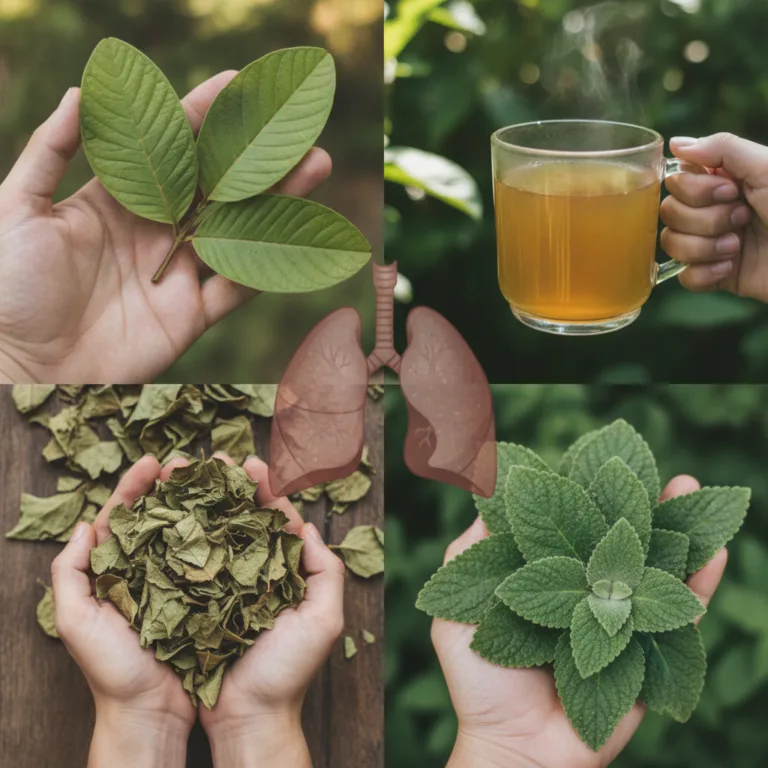
Ingredients
- 10-12 fresh, young guava leaves (or 1 tablespoon dried guava leaves)
- 2 cups of filtered water
- Optional: A slice of ginger or a teaspoon of honey for taste and added warmth
How to Prepare
- Thoroughly rinse the fresh guava leaves under cool running water to remove any dirt or impurities. If using dried leaves, simply measure them out.
- In a small saucepan, bring the 2 cups of filtered water to a boil.
- Once boiling, add the clean guava leaves (and ginger slice, if using) to the water.
- Reduce the heat to a simmer, cover the saucepan, and let it infuse for about 10-15 minutes. This allows the beneficial compounds to extract into the water.
- Remove the saucepan from the heat and let it cool slightly.
- Strain the infusion into a mug, discarding the leaves.
- If desired, stir in a teaspoon of honey while the tea is still warm.
How to Use + Best Time to Take
This guava leaf infusion is best enjoyed warm. For general well-being and respiratory support, you may consider drinking one cup in the morning and another in the evening. It can be particularly soothing during times of seasonal changes or when you feel a need for respiratory comfort. It’s also a pleasant, warm beverage to enjoy after meals or before bed.
Why It Works (Science Insight)
Guava leaves are a treasure trove of beneficial compounds, most notably flavonoids, tannins, and triterpenes. These natural compounds are recognized for their antioxidant and soothing properties. For respiratory health, the flavonoids, such as quercetin, are thought to help support the body’s natural response to environmental irritants and contribute to a feeling of open airways. Tannins may offer a mild astringent effect, which can be comforting. While research is ongoing, the traditional use of guava leaves suggests a role in maintaining overall respiratory system balance and comfort.
Who Benefits Most
This gentle infusion can be beneficial for individuals seeking natural ways to support their respiratory system, especially during common seasonal changes or when experiencing minor respiratory discomfort. It’s also suitable for those looking for a soothing, warm beverage with a history of traditional use in wellness practices.
Quick Notes / Safety / Simple Adjustments
- Always use fresh, clean guava leaves free from pesticides. If you’re unsure, dried organic guava leaves are a good alternative.
- While generally considered safe, if you are pregnant, nursing, or have underlying health conditions, it’s always wise to consult with a healthcare professional before incorporating new herbal remedies into your routine.
- Observe how your body responds; if any discomfort occurs, discontinue use.
- For a stronger infusion, you can gently crush fresh leaves before adding them to boiling water.
- Taste can be adjusted with more or less water, or by adding a squeeze of lemon or a pinch of cinnamon for variety.