Did you know that a significant portion of your immune system—up to 70%—resides in your gut? This incredible internal ecosystem, known as your gut microbiome, plays a vital role far beyond just digestion. A happy, healthy gut is crucial for your overall well-being, influencing everything from your mood and energy levels to potentially contributing to a flatter belly.
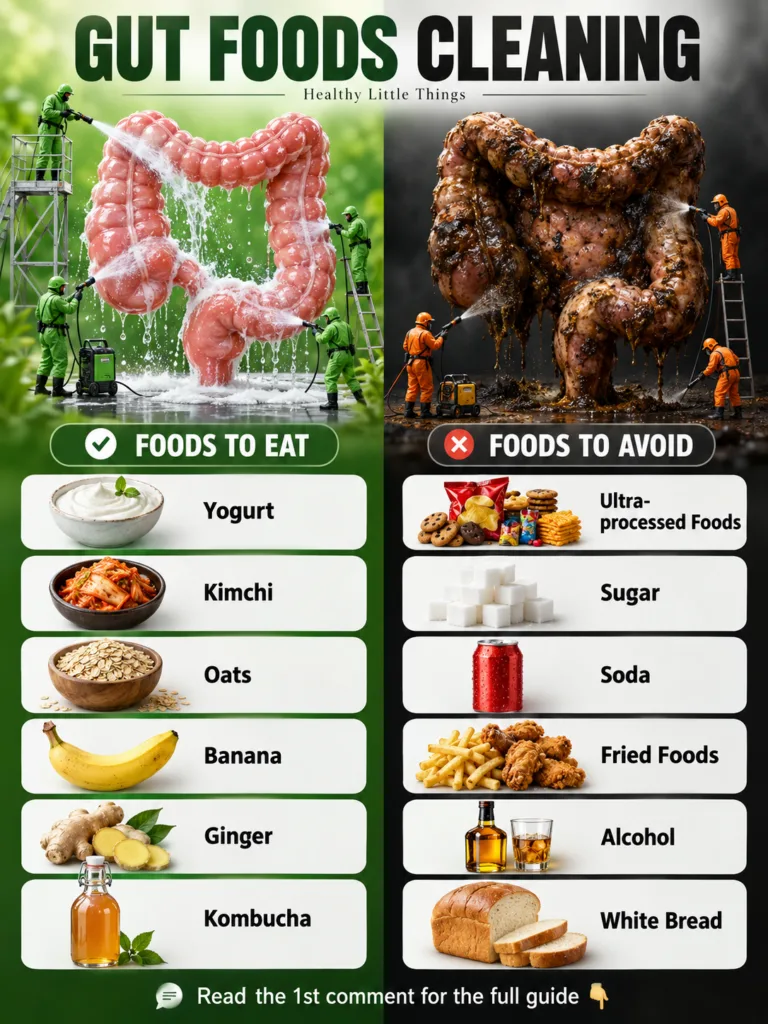
Understanding which foods support this delicate balance and which ones can disrupt it is key to fostering a thriving internal environment. This guide, inspired by our recent infographic, will walk you through the ‘foods to eat’ that truly nourish your digestive health and the ‘foods to avoid’ that can hinder it. Get ready to learn how to make dietary choices that can help keep your gut in top shape, boosting your immune system and overall vitality.
The Essential Role of Gut Health
Your gut is more than just a digestive tract; it’s a complex network of bacteria, fungi, and other microbes that influence nearly every aspect of your health. A diverse and balanced gut microbiome is linked to a stronger immune system, better nutrient absorption, improved mood regulation, and even maintaining a healthy weight. When your gut is happy, you’re more likely to feel energetic, resilient, and experience a greater sense of overall wellness.
Foods to Nourish Your Gut: The “Clean Team”
These are the allies your gut needs to thrive. Incorporating these foods into your daily diet can help foster a balanced microbiome, support digestion, and contribute to your overall health.
Yogurt
Yogurt, especially varieties with live and active cultures, is a fantastic source of probiotics. These beneficial bacteria can help replenish and diversify your gut flora, aiding in digestion and supporting immune function. When choosing yogurt, look for labels that specifically mention ‘live and active cultures’ and opt for plain, unsweetened versions to avoid added sugars that can counteract the benefits.
Kimchi
This traditional Korean fermented cabbage is a powerhouse of probiotics and dietary fiber. Kimchi’s fermentation process produces lactic acid bacteria, which are excellent for gut health. Its spicy and tangy flavor also adds a delicious kick to meals, making it easy to incorporate as a side dish, in stir-fries, or alongside eggs.
Oats
Oats are a rich source of prebiotics, a type of fiber that feeds the beneficial bacteria in your gut. This soluble fiber (beta-glucan) promotes healthy digestion and can help maintain regular bowel movements. Starting your day with a bowl of oatmeal or overnight oats is a simple way to boost your prebiotic intake.
Simple Overnight Oats Recipe
- Servings: 1
- Prep time: 5 minutes
- Chill time: 4+ hours (overnight)
Ingredients:
- 1/2 cup rolled oats
- 1 cup milk (dairy or non-dairy)
- 1 tablespoon chia seeds (optional, for extra fiber)
- 1/2 teaspoon vanilla extract
- 1-2 teaspoons maple syrup or honey (to taste)
- 1/4 cup banana slices (for topping)
Instructions:
- In a jar or container, combine oats, milk, chia seeds (if using), vanilla extract, and sweetener.
- Stir well until all ingredients are combined.
- Cover and refrigerate for at least 4 hours, or preferably overnight.
- In the morning, stir, add banana slices and any other desired toppings like berries or nuts, and enjoy!
Banana
Bananas are known for being a source of prebiotics, particularly resistant starch when they are slightly green. This type of starch passes through the small intestine undigested and ferments in the large intestine, feeding beneficial gut bacteria. Bananas are also easy to digest and provide essential vitamins and minerals.
Ginger
Ginger has been used for centuries for its digestive properties. It can help stimulate digestion, reduce nausea, and soothe an upset stomach. Its anti-inflammatory compounds may also contribute to a healthier gut environment. Enjoy ginger in teas, smoothies, or add fresh ginger to your cooking.
Kombucha
This fermented tea is another excellent source of probiotics. The fermentation process creates a tangy, slightly effervescent drink that can introduce beneficial bacteria into your gut. Look for kombucha varieties with low sugar content to maximize its health benefits.
Foods to Avoid for Optimal Gut Health: The “Dirty Dozen”
Just as some foods support your gut, others can actively harm it, disrupting the delicate balance of your microbiome and potentially leading to digestive issues and broader health problems. Limiting or avoiding these items can make a significant difference.
Ultra-Processed Foods
These foods, often high in unhealthy fats, artificial ingredients, and preservatives, can negatively impact gut diversity. They often lack fiber and beneficial nutrients, contributing to an imbalance in gut bacteria that may lead to inflammation and other digestive discomforts.
Sugar
Excessive sugar consumption can feed harmful bacteria and yeast in the gut, leading to an imbalance known as dysbiosis. This can manifest as bloating, gas, and even affect mood and energy. Reducing added sugars is a crucial step for a healthier gut.
Soda
Sugary sodas are not only high in empty calories but also often contain artificial sweeteners and colors that can disturb the gut microbiome. The high sugar content can promote the growth of detrimental bacteria, similar to other sugary foods.
Fried Foods
Foods cooked in excessive oil at high temperatures can be difficult to digest and may promote an inflammatory response in the gut. The unhealthy fats found in many fried foods can alter the composition of gut bacteria, favoring less beneficial strains.
Alcohol
Regular and excessive alcohol consumption can irritate the digestive lining, lead to imbalances in gut bacteria, and impair nutrient absorption. It can also increase gut permeability, sometimes referred to as ‘leaky gut,’ which can have broader health implications.
White Bread
Refined grains like white bread lack the fiber and nutrients found in whole grains. Without fiber, these foods don’t provide the necessary prebiotics for beneficial gut bacteria, and their simple carbohydrates can be quickly broken down into sugars, contributing to similar issues as other high-sugar items.
Practical Steps for a Happier Gut
Making conscious dietary choices is the most impactful way to support your gut health. Here are some actionable tips:
- Gradual Changes: Start by slowly introducing gut-friendly foods and reducing inflammatory ones.
- Hydration: Drink plenty of water throughout the day to aid digestion and nutrient transport.
- Variety is Key: Aim for a diverse diet rich in different fruits, vegetables, and whole grains to support a wide range of gut microbes.
- Listen to Your Body: Pay attention to how different foods make you feel and adjust your diet accordingly.
Frequently Asked Questions About Gut Health
What are probiotics and prebiotics?
Probiotics are live beneficial bacteria that you consume through fermented foods or supplements. Prebiotics are types of fiber that act as food for these good bacteria, helping them grow and thrive in your gut.
How quickly can I see improvements in my gut health?
Changes in your gut microbiome can occur relatively quickly, sometimes within days or weeks, depending on your dietary shifts. Consistent healthy eating habits are key for sustained benefits.
Can gut health affect my mood?
Yes, there’s a strong connection between the gut and the brain, often called the ‘gut-brain axis.’ Gut bacteria produce neurotransmitters, and an imbalanced gut can influence mood and mental well-being.
Are supplements necessary for gut health?
While a balanced diet rich in probiotic and prebiotic foods is often sufficient, some individuals may benefit from supplements. It’s always best to consult with a healthcare professional to determine if supplements are right for you.
Final Thoughts
Your gut is truly at the core of your health, influencing everything from your immune system to your energy and mood. By consciously choosing to incorporate nourishing foods like yogurt, kimchi, oats, bananas, ginger, and kombucha, while limiting ultra-processed items, sugar, soda, fried foods, alcohol, and white bread, you’re taking powerful steps toward a healthier, happier you. Remember, a thriving gut microbiome is an investment in your long-term well-being. Start making these positive changes today and feel the difference!
Medical Disclaimer
The information provided in this article is for general knowledge and informational purposes only, and does not constitute medical advice. It is essential to consult with a qualified healthcare professional before making any decisions about your health or treatment plan, especially if you have any pre-existing health conditions or concerns.