Are you dreaming of a lush, productive garden buzzing with life but struggling with pests or lacklustre growth? The secret might be simpler than you think: **Companion Planting!** This age-old gardening technique harnesses the natural power of plants to support each other, creating a healthier, happier ecosystem right in your backyard.
At Garden – L. Quyên, we believe gardening should be easy, rewarding, and deeply connected to nature. Companion planting is a fantastic way to achieve just that, transforming your vegetable patch into a thriving, self-sustaining haven. Let’s dig into how you can unlock a truly abundant garden with these clever plant partnerships!
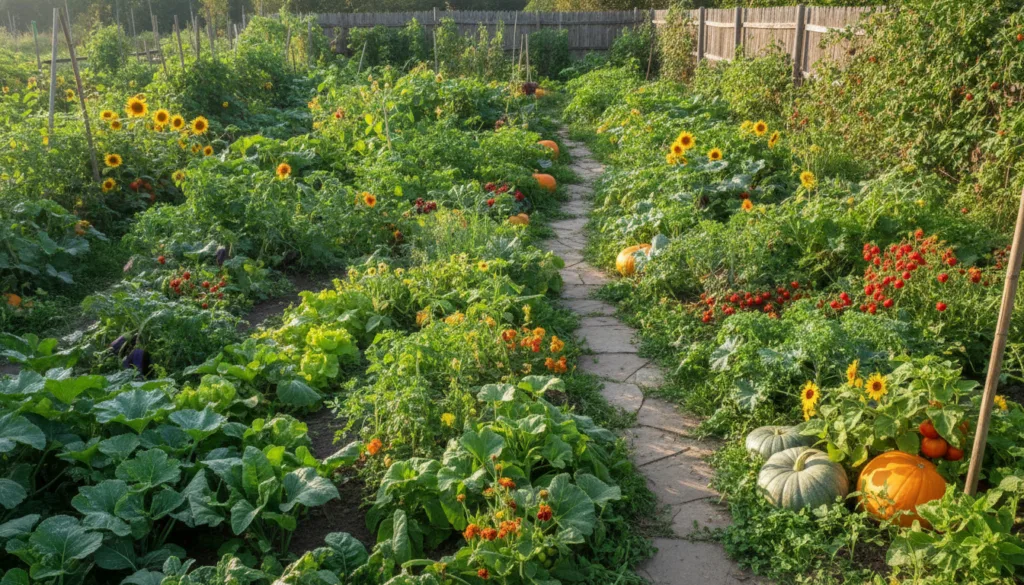
What Exactly is Companion Planting?
Companion planting is the practice of growing different plants together for mutual benefit. Just like friends help each other out, certain plants thrive when they’re paired with specific companions. These partnerships can deter pests, attract beneficial insects, improve soil health, enhance growth, and even boost the flavor of your harvest!
It’s essentially nature’s way of pest control and plant enhancement, reducing the need for synthetic treatments and making your garden more resilient and sustainable.
The Amazing Benefits of Companion Planting
Why should you give companion planting a try? The advantages are numerous and impactful:
1. Natural Pest Control
- Deterring Pests: Many plants release scents or compounds that repel common garden pests. For instance, marigolds are known to keep nematodes and other harmful insects away from susceptible plants.
- Trapping Pests: Some plants can act as ‘trap crops,’ luring pests away from your more valuable plants. Nasturtiums, for example, are often planted to attract aphids, protecting nearby vegetables.
2. Attracting Beneficial Insects
- Pollinators: Flowers like borage, dill, and coriander attract bees and other pollinators, essential for fruit and vegetable production.
- Predators: Plants like dill, fennel, and yarrow provide nectar and pollen for beneficial insects such as ladybugs and parasitic wasps, which prey on garden pests.
3. Improving Soil Health and Nutrient Uptake
- Nitrogen Fixers: Legumes like beans and peas have root nodules that convert atmospheric nitrogen into a form usable by plants, enriching the soil for heavy feeders nearby.
- Mineral Accumulators: Some plants, like comfrey, have deep taproots that bring up nutrients from deep within the soil, making them available to shallower-rooted companions.
4. Enhancing Growth and Flavor
- Shade and Support: Taller plants can provide shade for sun-sensitive companions or act as natural trellises.
- Flavor Boosters: It’s said that basil grown near tomatoes can enhance their flavor, and chamomile can improve the growth and flavor of herbs and vegetables.
Winning Plant Partnerships to Try in Your Garden
Ready to put theory into practice? Here are some classic companion planting pairs that yield fantastic results:
- Tomatoes & Basil: A culinary match made in heaven, basil is believed to improve tomato growth and flavor, and repel flies and mosquitoes.
- Carrots & Rosemary: Rosemary helps deter the carrot rust fly, while carrots can loosen the soil for rosemary roots.
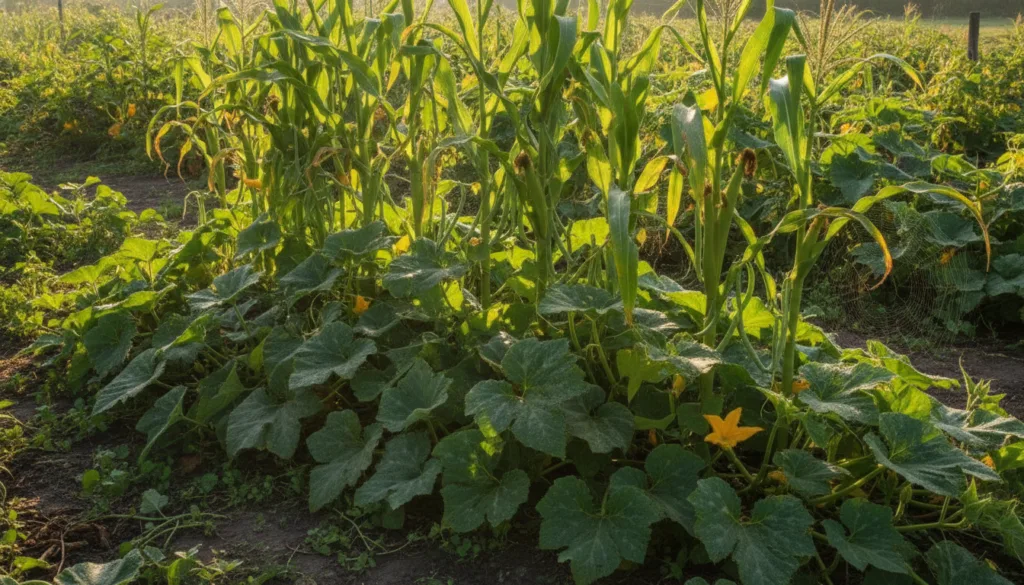
- Corn, Beans, & Squash (The Three Sisters): This traditional Native American trio is a perfect example of synergy. Corn provides a stalk for beans to climb, beans fix nitrogen for all three, and squash leaves shade the soil, suppressing weeds and conserving moisture.
- Cabbage & Dill: Dill is thought to deter cabbage worms, while cabbage provides a home for dill to grow.
- Roses & Garlic/Chives: Garlic and chives can help deter aphids and black spot on roses, contributing to healthier, more beautiful blooms.
- Marigolds (French or African) & Almost Anything: These cheerful flowers are superstars at deterring nematodes and other pests from a wide range of vegetables.
Plants to Keep Apart: Avoiding Bad Pairings
Just as some plants thrive together, others don’t. While not exhaustive, here are a few common