Imagine a world where your kitchen scraps don’t just go into the compost bin, but instead become the starting point for fresh, new produce right in your home! This isn’t a gardening fantasy; it’s the incredibly satisfying reality of regrowing vegetables from everyday groceries. It’s a simple, rewarding, and sustainable way to bring more green into your life, reduce waste, and enjoy fresh, homegrown food.
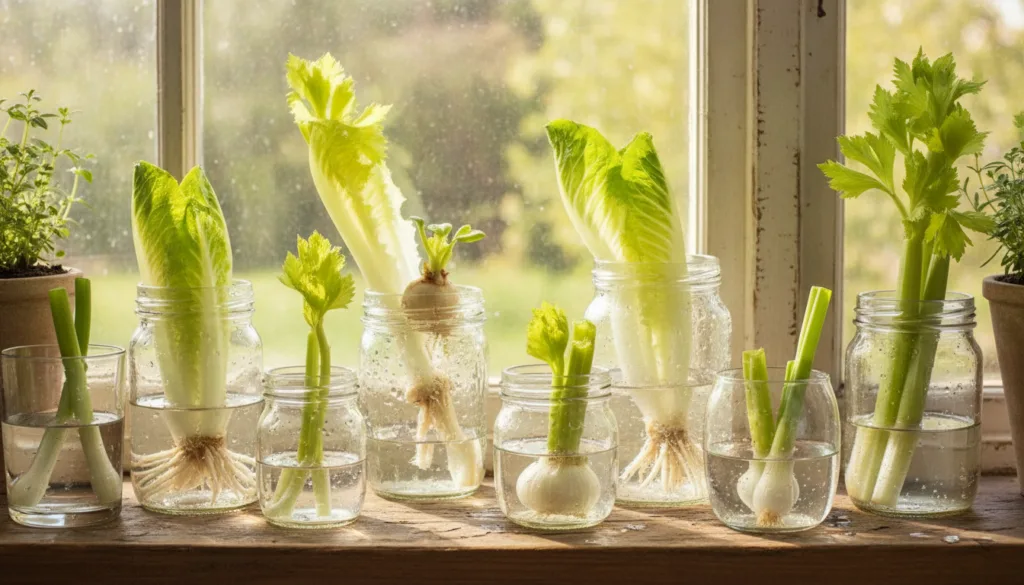
Why Regrow Your Groceries? The Benefits Are Abundant!
Beyond the sheer magic of watching life spring from something you might have thrown away, regrowing vegetables offers a bounty of benefits:
- Reduce Food Waste: Give a second life to parts of vegetables you usually discard.
- Save Money: Less trips to the grocery store for staples like green onions or celery.
- Fresh & Healthy Produce: Enjoy organic, pesticide-free vegetables grown right in your home.
- Educational & Fun: A fantastic project for all ages, especially children, to learn about plant growth.
- Sustainable Living: A small step towards a more eco-friendly lifestyle.
- Year-Round Gardening: Many regrowing projects can be done indoors, regardless of the season.
Easy Vegetables to Regrow from Scraps
Ready to start your indoor garden adventure? Here are some of the easiest and most popular vegetables to regrow:
1. Green Onions (Scallions)
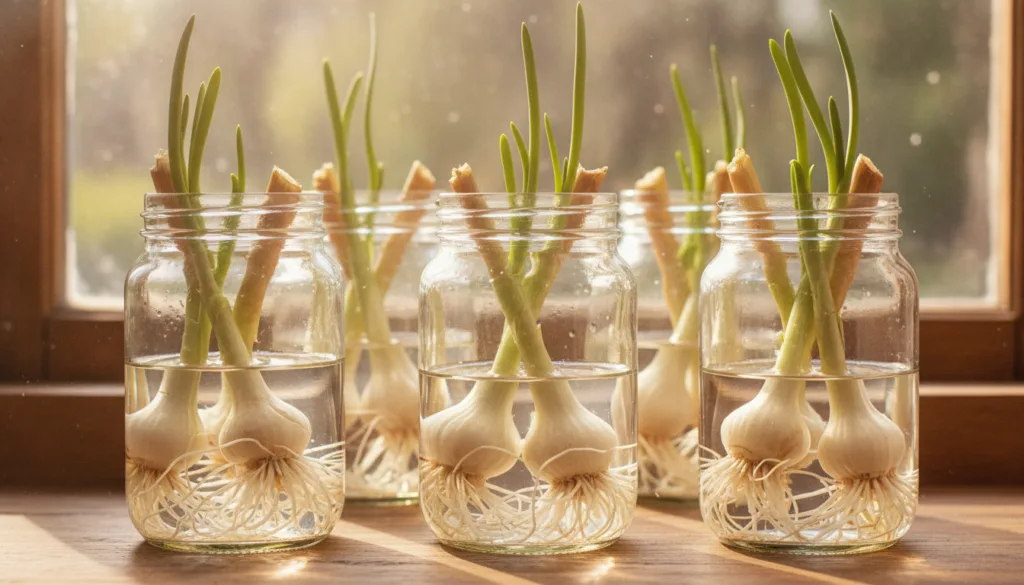
One of the simplest and most rewarding plants to regrow! Green onions seem to sprout new growth almost instantly.
- How To: Keep about an inch of the white root end of the green onion. Place it root-down in a small glass of water.
- Care: Place the glass on a windowsill where it gets plenty of sunlight. Change the water every day or two to prevent mold.
- Harvest: In a few days, you’ll see new green shoots. Once they reach a usable height, snip off what you need. The plant will continue to regrow! You can eventually transfer them to soil for longer life.
2. Romaine Lettuce & Cabbage
Another incredibly satisfying regrowing project that yields fresh, crisp leaves.
- How To: After using most of the head, save the bottom core (about 2-3 inches tall). Place it in a shallow bowl with about an inch of water.
- Care: Position in a sunny spot. Change the water daily. Misting the top daily can also help.
- Harvest: New leaves will begin to sprout from the center within a week. Once they are a few inches tall, you can harvest the outer leaves. For a more robust plant, transfer to soil after the roots develop and new leaves appear.
3. Celery
Regrowing celery is similar to lettuce and offers a continuous supply of stalks.
- How To: Cut off the base of the celery stalk, about 2 inches from the bottom. Place it in a shallow bowl with an inch of warm water, cut-side up.
- Care: Place in a sunny location and change the water every day or two.
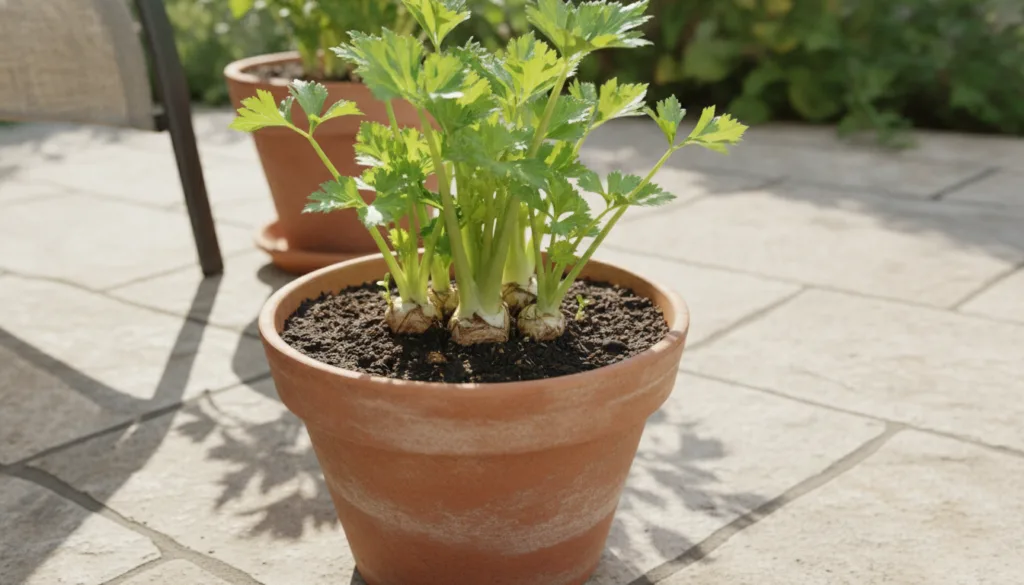
- Harvest: Small leaves will begin to emerge from the center in about a week. Once the roots are established and new growth is strong, you can transplant it into a pot with soil.
4. Ginger
While not a quick regrow like green onions, ginger is a rewarding long-term project.
- How To: Choose a plump piece of ginger root with visible ‘eyes’ or buds. Plant it in moist potting soil with the ‘eye’ facing upwards, barely covered by soil.
- Care: Keep the soil consistently moist but not waterlogged. Place in a warm spot with indirect sunlight.
- Harvest: Ginger grows slowly. After several months, you can gently dig up parts of the rhizome (root) to harvest, leaving some in the soil to continue growing.
5. Potatoes & Sweet Potatoes
Great for teaching about tubers and how they sprout.
- How To: Look for potatoes with ‘eyes’ (sprouts). You can cut a potato into pieces, ensuring each piece has at least one eye. For sweet potatoes, suspend the entire potato in water using toothpicks, with half submerged.
- Care: For regular potatoes, plant pieces directly into soil. For sweet potatoes, place in a sunny spot, changing water regularly until roots and slips (vines) form. Once slips are 4-6 inches, twist them off and plant them in soil.
- Harvest: Both potatoes and sweet potatoes require a full growing season (3-4 months) to produce new tubers in soil.
General Tips for Regrowing Success
- Light is Key: Most plants need plenty of sunlight, so a sunny windowsill is ideal.
- Change Water Regularly: This prevents mold and ensures a fresh supply of nutrients.
- Transition to Soil: While many will sprout in water, transferring to soil after roots and initial leaves develop will give your plants a much longer and more productive life.
- Use Good Quality Soil: If transferring to soil, use a well-draining potting mix.
- Patience: Some plants take longer than others to show growth. Don’t give up!
- Don’t Expect Full Harvests: While you’ll get fresh greens, don’t expect a full head of lettuce from a regrown core; think of it as a continuous supply of smaller, tender leaves.
Start Your Home Harvest Today!
Regrowing your groceries is an incredibly simple yet profoundly impactful way to connect with your food, minimize waste, and add a touch of fresh green beauty to your home. It’s a fantastic project for new gardeners and seasoned green thumbs alike, proving that you don’t need a huge garden or complex techniques to enjoy a continuous harvest.
So, next time you’re about to toss those veggie scraps, pause and think: could this be the start of something new? Give it a try, and prepare to unlock infinite harvests right from your kitchen!