Your body is an incredible machine, constantly working to keep you at your best. This is especially true after an intense workout when your muscles and internal systems are in full recovery mode. While we often focus on protein for muscle repair, true physical recovery involves supporting all your vital organs. Think of it like giving your internal ‘repair crew’ the best tools for the job!
Certain foods act as powerful allies, providing the nutrients needed to help your liver, kidneys, gut, lungs, and bladder function optimally and recover from daily stressors, including physical exertion. Incorporating these “body repair foods” into your diet can significantly enhance your overall wellness and recovery journey.
Let’s explore five key foods that support different organs, helping you refuel and repair efficiently for a healthier, stronger you.
Quick Overview
- Main topic: Organ-specific nutritional support for post-workout recovery
- Best for: Athletes, active individuals, anyone seeking to enhance organ health through diet
- Number of featured foods: 5
- Prep style: Incorporating whole foods into your daily meals
- Reader benefit: Improved recovery, enhanced organ function, better overall health
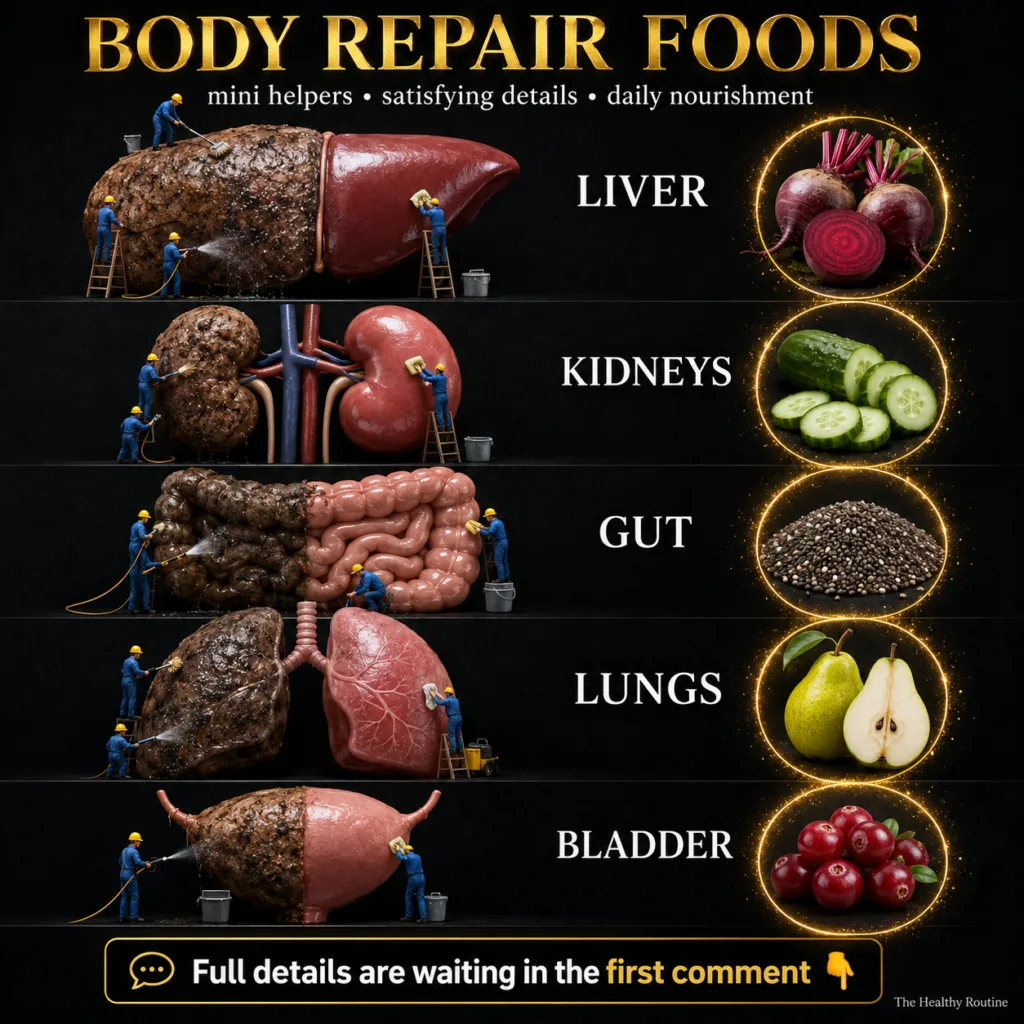
Beets for Liver Support
The liver is your body’s primary detoxifier, processing everything you consume. After a workout, it works hard to metabolize waste products and replenish energy stores. Beets are incredible liver-supporting powerhouses, rich in betalains, potent antioxidants that help reduce oxidative stress and inflammation in the liver.
How to incorporate: Add sliced beets to salads, roast them as a side dish, or blend them into your post-workout smoothies for a vibrant, nutrient-dense boost.
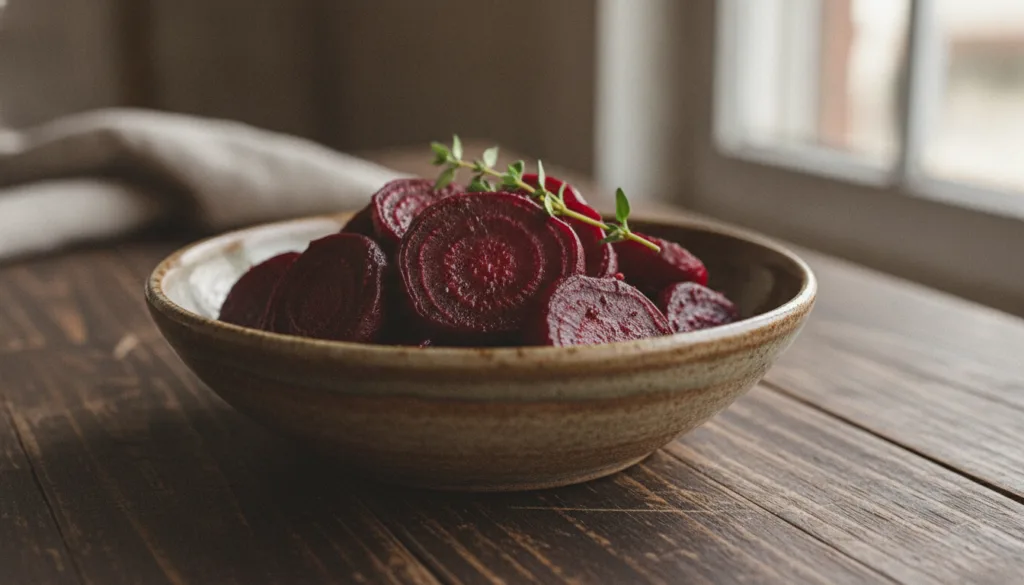
Cucumbers for Kidney Cleansing
Your kidneys play a crucial role in filtering waste and regulating fluid balance, which is especially important after sweating during exercise. Cucumbers are over 95% water, making them excellent for hydration and helping your kidneys flush out toxins efficiently. They also contain antioxidants like flavonoids and tannins.
How to incorporate: Slice cucumbers into your water for a refreshing infused drink, add them to sandwiches and salads, or enjoy them as a crisp, hydrating snack post-workout.
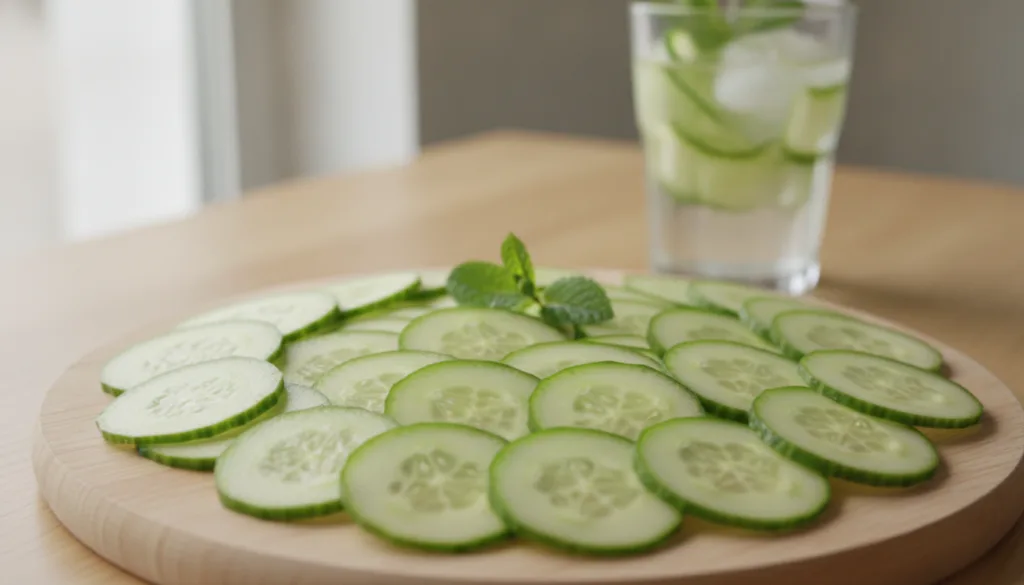
Chia Seeds for Gut Health
The gut is often called the “second brain” due to its immense impact on overall health, including nutrient absorption and immune function. A healthy gut is vital for recovery, ensuring your body can effectively utilize nutrients from your post-workout meals. Chia seeds are tiny powerhouses, packed with fiber and omega-3 fatty acids, essential for keeping your digestive system happy and running efficiently. The soluble fiber in chia seeds forms a gel in the stomach, promoting satiety and supporting healthy digestion.
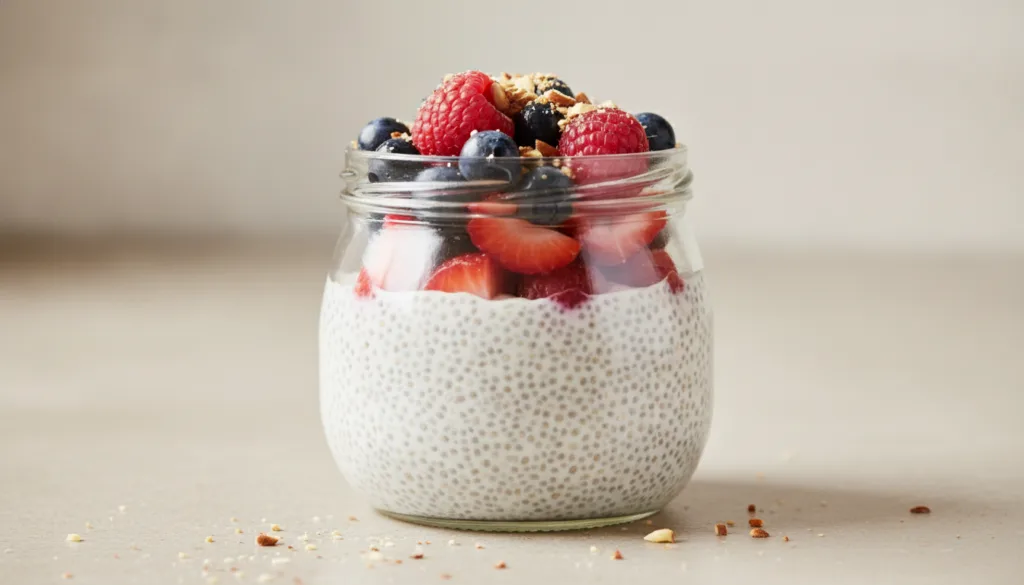
How to incorporate: Stir chia seeds into yogurt, oatmeal, or smoothies. They’re also perfect for making chia puddings, which can be prepared ahead for a convenient post-workout snack.
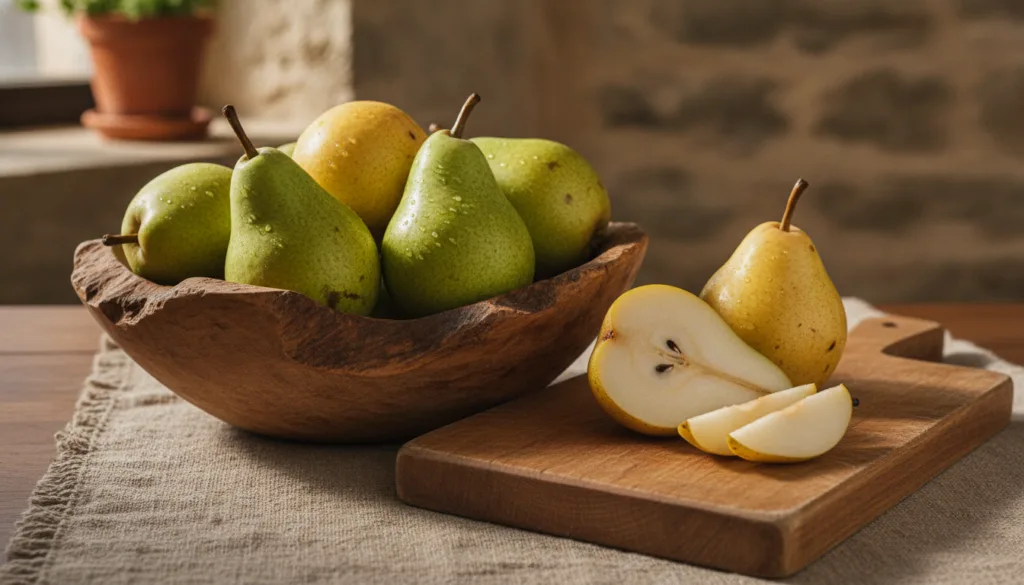
Pears for Lung Wellness
During strenuous exercise, your lungs work harder to supply oxygen to your muscles. Pears are a fantastic source of fiber and antioxidants, including flavonoids, which may help reduce inflammation and oxidative damage, supporting respiratory health. Their high water content also aids hydration, important for mucous membrane health in the lungs.
How to incorporate: Enjoy fresh pears as a snack, add slices to salads, or incorporate them into a fruit salad for a naturally sweet and beneficial treat.
Cranberries for Bladder Care
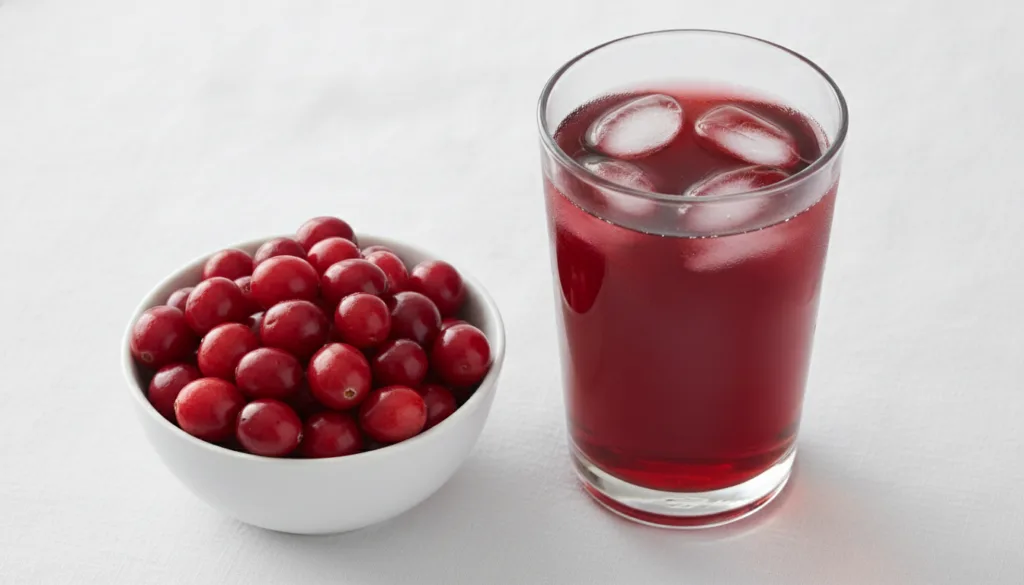
Maintaining a healthy bladder is essential for overall comfort and hygiene, particularly for active individuals who prioritize hydration. Cranberries are well-known for their unique compounds, such as proanthocyanidins (PACs), which can help prevent certain bacteria from adhering to the urinary tract walls, promoting bladder health. They are also rich in antioxidants.
How to incorporate: Drink unsweetened cranberry juice (diluted if preferred), add fresh or dried cranberries to oatmeal, smoothies, or salads. Opt for unsweetened varieties to avoid excess sugar.
Simple Tips for Best Results
- Hydration is Key: Pair these foods with ample water intake to maximize their benefits, especially for kidney and bladder health, and overall recovery.
- Variety is Vital: While these foods are excellent, a diverse diet encompassing a wide range of fruits, vegetables, and whole grains ensures you get a full spectrum of nutrients.
- Listen to Your Body: Pay attention to how different foods make you feel and adjust your intake accordingly.
- Post-Workout Timing: Incorporate these foods into your post-workout meals or snacks to aid immediate recovery and replenishment.
FAQ
How do “body repair foods” enhance post-workout recovery?
These foods provide specific nutrients, antioxidants, and anti-inflammatory compounds that support the healthy function of vital organs. When organs like the liver, kidneys, and gut are functioning optimally, your body can more efficiently process waste, absorb nutrients, and reduce inflammation, all of which are crucial for effective recovery after physical exertion.
Can these foods replace post-workout supplements?
While these foods offer significant health benefits, they complement, rather than replace, a balanced post-workout nutrition strategy. Depending on individual needs and intensity of training, supplements like protein powder or electrolytes may still be beneficial. Always prioritize whole foods as the foundation of your diet.
Are there any risks associated with these “repair foods”?
For most healthy individuals, these foods are safe and beneficial when consumed as part of a balanced diet. However, if you have specific allergies, medical conditions (e.g., kidney stones, certain liver conditions), or are on medications, it’s always best to consult with a healthcare professional or registered dietitian before making significant dietary changes.
Final Thoughts
Supporting your body’s internal systems is just as important as building strong muscles. By intentionally incorporating these “body repair foods” into your diet, especially around your workouts, you’re giving your organs the nourishment they need to thrive. This holistic approach to nutrition not only aids in physical recovery but also contributes to long-term health and vitality, ensuring you’re ready for whatever life throws your way.
MEDICAL DISCLAIMER: The information provided in this article is for general knowledge and informational purposes only, and does not constitute medical advice. It is essential to consult with a qualified healthcare professional or registered dietitian before making any significant changes to your diet, especially if you have underlying health conditions, are pregnant, nursing, or taking medications.