Imagine having an endless supply of fresh produce right from your kitchen! It sounds like a dream, but it’s entirely possible and incredibly rewarding. Many common kitchen scraps that usually end up in the compost bin or trash can be given a second life, growing into new, delicious vegetables. This practice, known as regrowing vegetables from scraps, is a fantastic way to embrace sustainable living, reduce waste, and enjoy homegrown goodness.
Join us on a journey to turn your kitchen into a thriving mini-garden. You’ll be amazed at how simple it is to cultivate new plants from the parts you’d normally discard!
Why Regrow Your Vegetables?
Regrowing vegetables from scraps offers a plethora of benefits for both you and the planet:
- Sustainable Living: It’s a prime example of zero-waste gardening, reducing your carbon footprint and food waste.
- Save Money: Who doesn’t love free food? Extend the life of your groceries and cut down on your produce bill.
- Fresh & Healthy: Enjoy fresh, organic produce right from your windowsill, knowing exactly where it came from.
- Educational & Fun: It’s a wonderful project for all ages, teaching about plant growth and offering a unique sense of accomplishment.
- Always in Season: With a little care, you can have certain vegetables growing indoors year-round.
Easy Vegetables You Can Regrow from Scraps
Ready to start your home harvest? Here are some of the easiest and most popular vegetables to regrow:
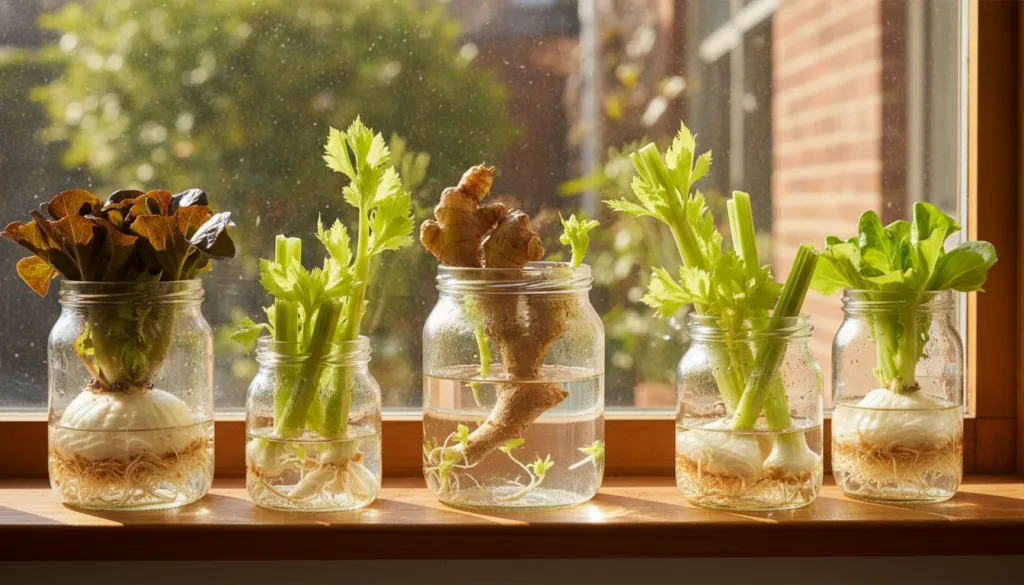
1. Romaine Lettuce & Celery
These leafy greens are perhaps the most famous candidates for regrowing.
- How To: Cut about 1-2 inches from the bottom base of the head of lettuce or celery stalk. Place the base in a shallow bowl or glass with about half an inch of water. Position it in a sunny spot.
- Care: Change the water every 1-2 days to prevent mold and provide fresh nutrients. You’ll soon see new leaves sprouting from the center.
- Harvest: Once a decent amount of new growth appears (usually in 1-2 weeks), you can either harvest the outer leaves as needed or transplant the whole plant into soil to encourage larger growth.
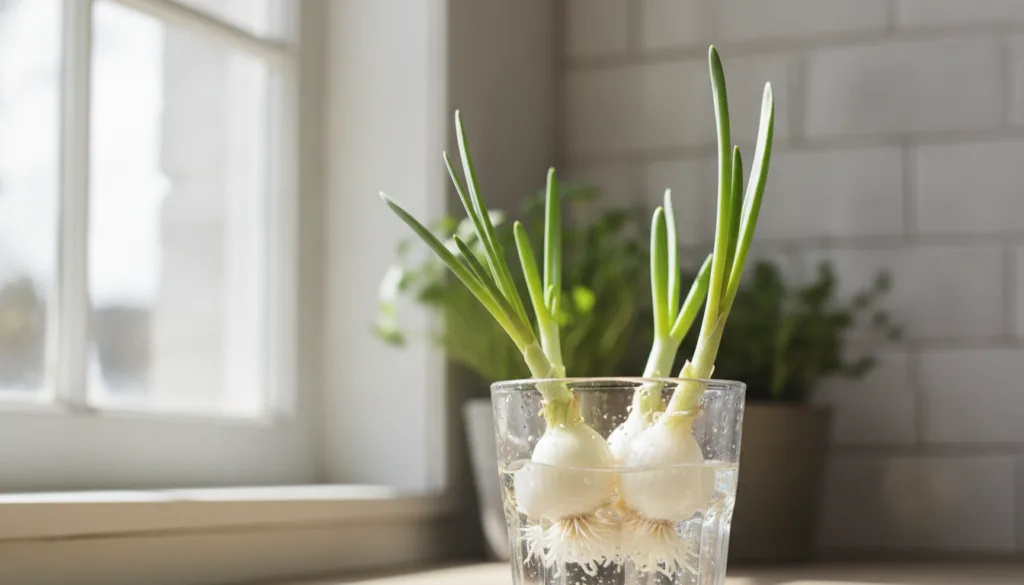
2. Green Onions (Scallions)
A true champion of regrowing, green onions offer multiple harvests.
- How To: Keep the white root ends of your green onions, leaving about an inch of the green stalk attached. Place these roots-down in a small glass with just enough water to cover the roots.
- Care: Place the glass on a windowsill with good light. Change the water daily.
- Harvest: New green shoots will emerge rapidly, often within days! Snip off what you need for cooking, and they will continue to regrow.
3. Ginger
Growing your own ginger means you’ll always have a fresh supply for cooking or tea.
- How To: Look for a piece of ginger root with visible ‘eyes’ or small bumps (these are growth buds). Plant it horizontally, about 1 inch deep, in a pot filled with rich, moist soil. Ensure the ‘eyes’ are facing upwards.
- Care: Ginger loves warmth and partial shade. Keep the soil consistently moist but not waterlogged.
- Harvest: New shoots will appear in a few weeks. You can dig up parts of the rhizome (the root) after a few months, leaving some behind to continue growing.
4. Garlic
While you won’t grow a whole new bulb quickly, you can get delicious garlic greens!
- How To: Take a single garlic clove and plant it root-end down in a small pot with soil. Cover it lightly with soil.
- Care: Place in a sunny spot and keep the soil moist.
- Harvest: In about a week, green shoots will emerge. Snip these garlic greens to add a mild garlic flavor to salads, soups, or stir-fries.
5. Potatoes
Don’t toss those sprouting potatoes!
- How To: Cut a potato into pieces, ensuring each piece has at least one or two ‘eyes’ (the sprouts). Let the pieces dry for a day or two to form a protective layer, preventing rot. Plant them about 4 inches deep in well-draining soil, eye-side up.
- Care: Potatoes need plenty of sunlight and consistent moisture.
- Harvest: Depending on the variety, you can harvest new potatoes in about 70-100 days.
6. Carrot Tops
You won’t get new carrots, but you’ll get edible greens perfect for pesto or salads!
- How To: Cut about an inch off the top of a carrot. Place the carrot top in a shallow dish with a small amount of water, ensuring the cut end is submerged.
- Care: Place in a sunny spot and change the water daily.
- Harvest: Green leafy tops will start to grow. Snip them as needed for a fresh, slightly bitter addition to your meals.
Tips for Success in Regrowing Veggies
- Light is Key: Most vegetables need plenty of sunlight. A sunny windowsill is ideal for indoor setups.
- Fresh Water: For water-based regrowing, change the water every day or two to prevent bacterial growth and provide oxygen.
- Patience: While some things sprout quickly, others take time. Be patient and observe your plants.
- Consider Transplanting: Once roots and shoots are well-established in water, transplanting into soil will often lead to larger, healthier growth. Use good quality potting mix.
- Pest Control: Keep an eye out for small indoor pests like fungus gnats. Good air circulation and not overwatering can help.
Troubleshooting Common Issues
- Rotting Scraps: This is usually due to stale water or too much water. Ensure fresh water changes and only submerge the necessary part of the plant.
- No Growth: Lack of adequate light or cold temperatures can inhibit growth. Move your scraps to a warmer, brighter spot.
- Leggy Growth: If sprouts are long and thin, they are stretching for light. This means they need more direct sunlight.
Start Your Home Harvest Today!
Regrowing vegetables from kitchen scraps is a simple yet impactful way to connect with nature, reduce waste, and enjoy fresh, homegrown produce. It’s a testament to the resilience of plants and a fun experiment for any aspiring gardener. So, the next time you’re about to toss those veggie ends, think twice!
Give these methods a try and share your success stories with us in the comments below. Happy regrowing!