Do you dream of a bountiful harvest but feel limited by a small garden space? You’re not alone! Many gardeners face the challenge of maximizing yield in compact areas. The good news is that you don’t need acres of land to grow a thriving vegetable patch. With a smart technique called intensive interplanting, you can transform your small garden into a highly productive oasis.
At Garden – L. Quyên, we believe every gardener, regardless of space, can enjoy the satisfaction of growing their own food and beautiful plants. Let’s dive into how intensive interplanting can help you unlock your garden’s full potential!
What is Intensive Interplanting?
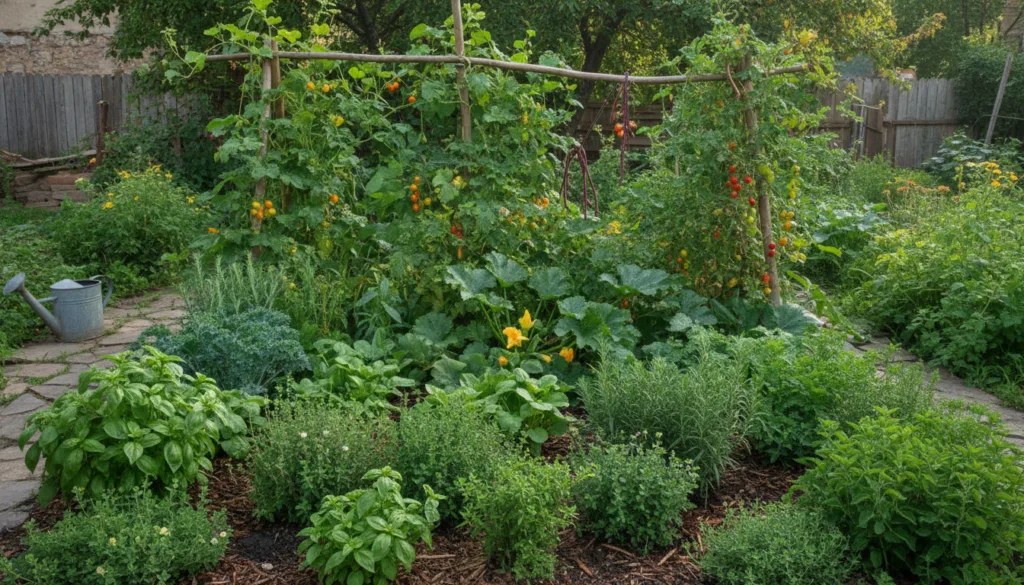
Intensive interplanting, sometimes called companion planting or polyculture, is a gardening technique where different types of plants are grown closely together in the same bed. Instead of traditional rows with wide spacing, you strategically mix and match plants that complement each other, using every inch of available space efficiently. This method mimics nature’s diversity, creating a mini-ecosystem in your garden.
The Benefits Go Beyond Just Space Saving:
- Maximized Yield: Grow more food in less area.
- Natural Pest Control: Certain plant combinations deter pests.
- Improved Soil Health: Diverse root systems and cover crops enrich the soil.
- Weed Suppression: Densely planted areas leave less room for weeds to thrive.
- Enhanced Growth: Companion plants can provide nutrients or shade to others.
- Beautiful & Diverse Garden: Create a visually appealing and productive landscape.
Why Intensive Interplanting is Perfect for Small Gardens
If you have a balcony, a patio, raised beds, or just a small corner in your backyard, intensive interplanting is your secret weapon. It allows you to think vertically and multi-dimensionally, rather than just in linear rows. You can layer plants, combining tall plants with short ones, deep-rooted with shallow-rooted, and fast-growing with slow-growing varieties to make the most of every sunbeam and nutrient.
Key Principles of Successful Interplanting
1. Vertical Gardening
Don’t just think horizontally! Utilize trellises, stakes, and cages for climbing plants like cucumbers, pole beans, and indeterminate tomatoes. This frees up ground space for other crops.
2. Staggered Planting & Succession
Plant crops with different maturity times. For example, sow quick-growing radishes or lettuce between slower-growing cabbage or broccoli. By the time the larger plants need more space, the quicker ones will be ready for harvest, creating continuous production.
3. Companion Planting
This is where the magic truly happens! Certain plants thrive when grown near each other and can even protect each other from pests or improve flavor. Some classic combinations include:
- Tomatoes & Basil: Basil is said to improve tomato flavor and deter hornworms.
- Corn, Beans & Squash (The Three Sisters): Corn provides a stalk for beans to climb, beans fix nitrogen in the soil, and squash shades the ground, suppressing weeds and retaining moisture.
- Carrots & Rosemary: Rosemary can deter carrot rust fly.
- Lettuce & Tall Vegetables: Tall plants like corn or sunflowers can provide shade for heat-sensitive lettuce during hot summer months.
4. Grouping by Needs
While diversity is key, ensure that plants growing together have similar needs for sunlight, water, and soil type. This makes care and maintenance much simpler.
Getting Started: Your Step-by-Step Guide
-
Plan Your Layout:
Sketch your garden bed. Research companion plant combinations that work well in your climate. Consider sun exposure throughout the day and how plants will grow and shade each other.
-
Prepare Your Soil:
Healthy soil is fundamental. Amend your soil with compost and other organic matter to ensure it’s rich in nutrients and drains well. Good soil will support the dense planting you’ll be doing.
-
Plant Strategically:
Start with your tallest plants or those that require trellising. Then, fill in around them with medium-sized plants, and finally, add your low-growing or shallow-rooted crops. Don’t be afraid to plant a bit closer than traditional recommendations, but ensure there’s still adequate air circulation.
-
Water & Nourish Consistently:
With more plants in a smaller area, their water and nutrient demands will be higher. Mulch your beds to retain moisture and suppress weeds. Consider regular feeding with organic liquid fertilizers.
-
Observe & Adapt:
Gardening is a continuous learning process. Pay attention to how your plants are growing. Are some getting too much shade? Do others need more support? Be ready to adjust and learn from each season.
Tips for Interplanting Success
- Start Small: If you’re new to interplanting, try it in one raised bed or a small section of your garden first.
- Know Your Plants: Understand the mature size, light, and water requirements of each plant you choose.
- Mulch Heavily: A good layer of organic mulch (straw, leaves, wood chips) will help retain moisture, regulate soil temperature, and keep weeds at bay.
- Rotate Crops: Even in an interplanted garden, it’s good practice to rotate plant families to prevent nutrient depletion and disease build-up over the years.
Intensive interplanting is a rewarding technique that makes gardening in small spaces incredibly productive and enjoyable. It transforms your garden into a vibrant, diverse ecosystem that not only yields more but is also healthier and more resilient. Give it a try and watch your small garden flourish!
What are your favorite interplanting combinations? Share your tips in the comments below!