Unlock Your Garden’s Full Potential: The Master Guide to Seed Planting Depth
Welcome, fellow garden enthusiasts! Have you ever wondered why some of your seeds sprout beautifully, while others seem to just… disappear? One of the most common yet overlooked aspects of successful seed starting is planting depth. It might seem like a small detail, but getting it right can make all the difference between a struggling seedling and a thriving plant.
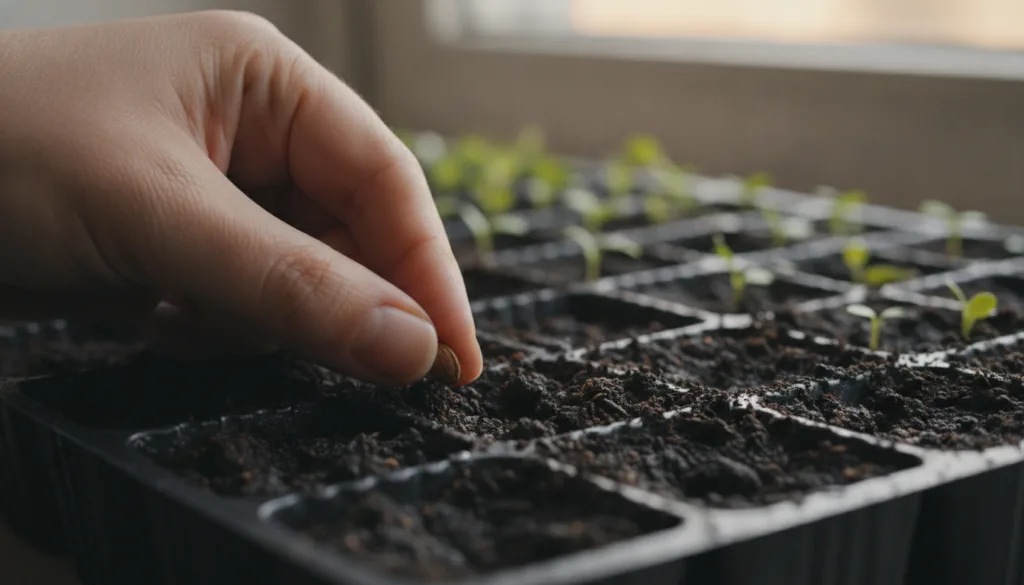
Why Does Planting Depth Matter So Much?
Imagine a tiny seed, holding all the potential for a magnificent plant. To tap into that potential, it needs the perfect environment, and depth plays a critical role in several ways:
- Light Exposure: Many seeds require darkness to germinate, while a few actually need light. Planting them at the incorrect depth can expose them to too much or too little light, hindering germination.
- Moisture Access: Seeds need consistent moisture to sprout. Planted too shallow, they can dry out quickly. Planted too deep, they might not receive enough oxygen or might rot before they can germinate.
- Temperature Regulation: Soil temperature at different depths can vary. Proper depth helps ensure the seed experiences the ideal temperature range for its species.
- Emergence Strength: A seedling needs enough stored energy to push through the soil surface. If planted too deep, it might run out of energy before it reaches the light, leading to a weak or non-existent sprout.
- Root Development: The initial depth influences how the roots establish themselves, impacting the plant’s stability and ability to absorb nutrients later on.
The Golden Rule: Seed Size is Your Guide
A general rule of thumb for planting depth is to plant seeds about two to three times their diameter deep. So, a small seed (like lettuce) would be planted very shallowly, while a larger seed (like a bean or pea) would go deeper.
Tiny Seeds (e.g., Lettuce, Carrots, Poppies):
- These often need light to germinate or simply can’t push through much soil.
- Depth: Lightly press onto the soil surface, or cover with a very thin layer (1/8 inch or less) of fine soil or vermiculite. Some can just be scattered and gently watered in.
Medium Seeds (e.g., Tomatoes, Peppers, Marigolds):
- Most common garden seeds fall into this category.
- Depth: Typically 1/4 to 1/2 inch deep.
Large Seeds (e.g., Beans, Peas, Corn, Squash):
- These have more stored energy and can emerge from deeper soil.
- Depth: Usually 1 inch or deeper, depending on the specific plant.
Beyond the General Rule: Always Check Your Seed Packet!
While the ‘seed size’ rule is a great starting point, the absolute best resource for planting depth is always the seed packet itself. Seed companies provide specific instructions tailored to that particular variety, often including optimal depth, spacing, and germination conditions. Don’t throw them away!
Common Mistakes to Avoid
- Planting Too Deep: The most frequent mistake. Seeds may not have enough energy to reach the surface, leading to poor germination rates.
- Planting Too Shallow: Seeds can dry out quickly, become dislodged by watering, or be eaten by pests. Some may also fail to germinate if they require darkness.
- Over-Compacting Soil: After planting, gently firm the soil over the seeds. Don’t press down too hard, as this can make it difficult for delicate seedlings to emerge.
Tips for Ensuring Correct Depth
- Use a Ruler or Dibber: For precision, especially with larger seeds, use a ruler or a specially marked dibber to create holes of the exact depth.
- Pencil or Finger: For smaller seeds, the tip of a pencil or your fingertip can be a good gauge for shallow depths.
- Sprinkle and Sift: For tiny seeds, sprinkle them on the surface, then use a fine sieve to gently dust a thin layer of soil or vermiculite over them.
- Consistent Moisture: After planting, ensure the soil remains consistently moist but not waterlogged. A gentle misting bottle works wonders for shallowly planted seeds.
- Label Everything: Especially if you’re planting a variety of seeds with different depth requirements. This helps keep track!
Happy Planting!
Mastering seed planting depth is a fundamental step towards a successful and bountiful garden. By paying attention to these crucial details, you’ll give your tiny seeds the best possible start, leading to healthier, happier plants and a garden that truly thrives. Happy gardening, and may your seeds sprout with vigor!