Unlock the Unexpected Wisdom of Prickly Chaff Root
In our fast-paced world, many of us often feel disconnected from the ancient wisdom held within nature, seeking complex solutions for everyday discomforts. Yet, sometimes, the answers lie hidden in plain sight, in the unassuming plants that grace our landscapes.
Prickly Chaff Root, known scientifically as Achyranthes aspera, is one such botanical treasure. Valued in traditional practices across various cultures, its leaves and roots have been utilized for centuries, offering a surprisingly gentle yet profound approach to wellness that many are now rediscovering. Most people never realize this works because its unassuming appearance hides a rich tapestry of historical use and traditional knowledge.
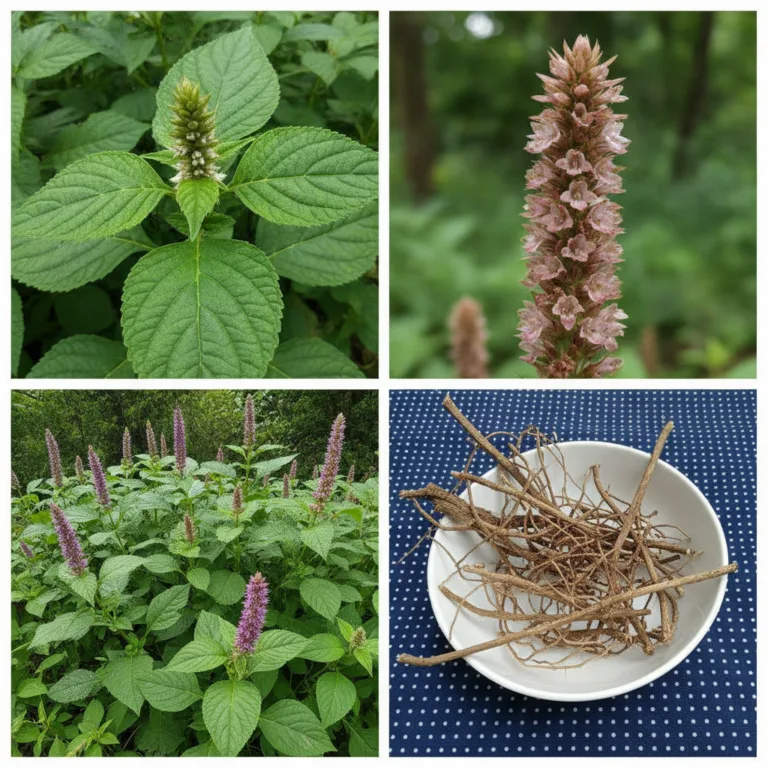
Ingredients
- Dried Prickly Chaff Root (Achyranthes aspera) roots: 10-15 grams (approximately 0.35-0.5 oz)
- Clean Water: 3 cups (approximately 700 ml)
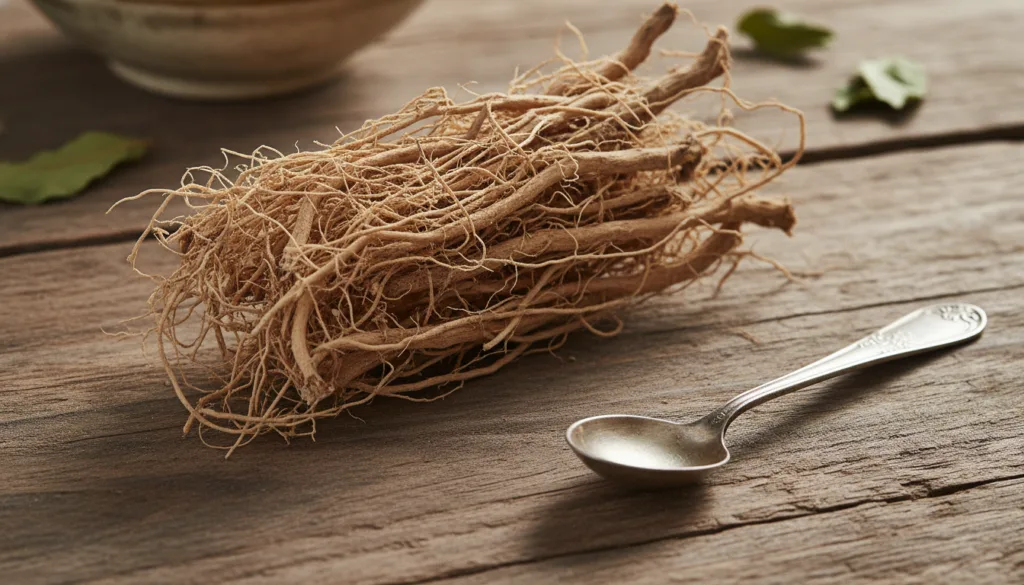
How to Prepare
- Gently rinse the dried Prickly Chaff Root roots under cool water to remove any loose debris.
- Place the rinsed roots into a non-reactive pot (stainless steel or glass is ideal).
- Add 3 cups of clean water to the pot.
- Bring the mixture to a rolling boil over medium heat.
- Once boiling, reduce the heat to low and let it simmer gently for 15-20 minutes. The liquid should reduce by about one-third, concentrating the botanical essence.
- Remove the pot from the heat and allow it to cool slightly.
- Strain the decoction using a fine-mesh sieve or cheesecloth, discarding the root material.
How to Use + Best Time to Take
Consume the warm decoction, 1 to 2 times daily. For optimal traditional benefits, it is often suggested to take the first serving on an empty stomach in the morning, or about 30 minutes before a meal. Start with a smaller amount to see how your body responds before gradually increasing to the full suggested serving.
Why It Works (Science Insight)
Prickly Chaff Root is traditionally revered for its diverse phytochemical composition, including saponins, flavonoids, and alkaloids. These plant compounds are thought to contribute to its historical use in promoting overall well-being. In traditional contexts, these constituents are believed to play a role in supporting digestive comfort, potentially by influencing normal gut motility. Additionally, the plant’s traditional application in addressing inflammatory discomfort is often attributed to these naturally occurring components, which may interact with the body’s natural response mechanisms. Its historical connections to metabolic support also hint at a broader systemic influence that continues to intrigue researchers.
Who Benefits Most
- Individuals interested in exploring traditional botanical support for their overall well-being.
- Those seeking natural approaches to support digestive comfort and maintain healthy elimination.
- People looking for complementary plant-based ingredients to incorporate into their wellness routine, focusing on historical wisdom.
- Anyone curious about plants with a long history of use in traditional health practices.
Quick Notes / Safety / Simple Adjustments
Always exercise caution when introducing new herbal remedies into your routine. It is highly advisable to consult with a qualified healthcare professional before using Prickly Chaff Root, especially if you are pregnant, breastfeeding, have pre-existing health conditions, or are currently taking any medications. Starting with a lower dosage allows you to observe your body’s response. Ensure you source your Prickly Chaff Root from reputable suppliers to guarantee quality and purity. This information is for educational purposes and should not be considered a substitute for professional medical advice. For taste adjustment, a small amount of raw honey can be added to the warm decoction if desired, but avoid adding sugar to preserve the natural integrity of the preparation.