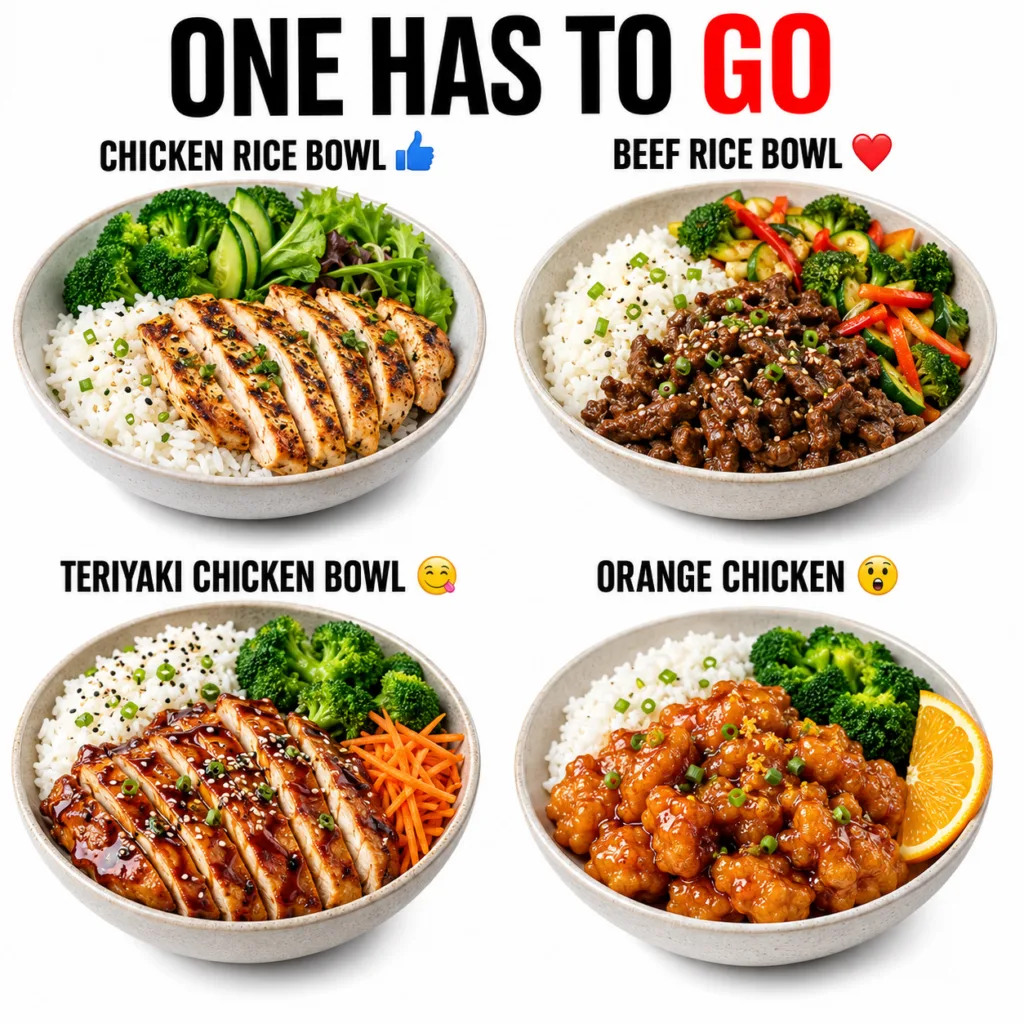
Alright, HEALTHY INFOGRAPHIC fans, it’s time for the ultimate food showdown! You’ve got four delicious rice bowls in front of you: Chicken Rice, Beef Rice, Teriyaki Chicken, and Orange Chicken. But here’s the twist: if you had to pick ONE to eliminate based purely on health… which one is getting the boot? While they all look tempting, some choices are definitely kinder to your wellness goals. This article will dive into what makes each rice bowl unique and help you make informed decisions for a healthier plate.
We’re breaking down these popular choices to help you understand their nutritional profiles, identify potential pitfalls, and discover simple ways to upgrade your favorite bowl without sacrificing flavor. Get ready to explore the hidden truths behind these delicious meals and empower your healthy eating journey!
The Great Rice Bowl Showdown: Which Bowl Gets the Boot for Health?
When it comes to making healthier food choices, understanding the components of your meal is key. Let’s take a closer look at our four contenders and see how they stack up in a typical preparation.
Analyzing Each Contender
The Chicken Rice Bowl
Often seen as a go-to healthy option, the classic chicken rice bowl typically features grilled or steamed chicken, white rice, and a medley of fresh vegetables like broccoli, lettuce, and cucumber. This bowl can be an excellent source of lean protein and fiber, especially if the chicken is skinless and minimally processed. However, portions of white rice can quickly add up in calories and carbohydrates, and some accompanying sauces may contain hidden sugars or sodium.
The Beef Rice Bowl
This bowl usually brings together stir-fried beef slices, white rice, and colorful vegetables like bell peppers and broccoli, often coated in a savory sauce. While beef provides essential iron and protein, the cut of meat (e.g., lean sirloin vs. fattier cuts) and the preparation method significantly impact its health profile. Stir-frying often requires more oil, and the sauces can be quite high in sodium and sugar, potentially negating some of the nutritional benefits.
The Teriyaki Chicken Bowl
A popular choice for its sweet and savory flavor, the Teriyaki Chicken Bowl features glazed chicken (often grilled or pan-fried), white rice, broccoli, and shredded carrots. The main health consideration here lies in the teriyaki sauce. Traditional teriyaki sauces can be very high in sugar and sodium, which can contribute to higher calorie counts and impact cardiovascular health if consumed regularly in large amounts. The chicken itself is typically a good protein source, but the sauce is the dominant factor.
The Orange Chicken Bowl
Often a favorite from Asian-inspired eateries, the Orange Chicken Bowl typically consists of crispy battered and fried chicken pieces drenched in a sweet, tangy orange sauce, served with white rice and broccoli. This bowl is generally the most calorically dense of the four. The deep-fried chicken significantly increases fat content, and the orange sauce is usually packed with sugar and often artificial ingredients. While delicious, this option is usually considered an indulgence rather than a regular part of a healthy diet.
The Verdict: Which Rice Bowl Has to Go?
Given the typical preparation and ingredients, if we had to eliminate one rice bowl purely based on health considerations, the Orange Chicken Bowl would likely be the first to go. Its combination of deep-fried, battered chicken and a high-sugar, high-calorie sauce makes it the least health-conscious choice among the four.
The Teriyaki Chicken Bowl would be a close second due to the high sugar and sodium content in most commercial teriyaki sauces. The Chicken Rice Bowl, with its lean protein and fresh vegetables, often stands out as the healthiest base, while the Beef Rice Bowl’s healthfulness largely depends on the cut of beef and the sauce used.
Making Your Favorite Rice Bowl a Healthier Choice
Even if your favorite bowl isn’t the healthiest by default, there are many ways to make smart swaps and enjoy your meal without derailing your wellness goals. Small changes can lead to significant health benefits over time.
- Choose Your Base Wisely: Swap white rice for brown rice, quinoa, farro, or even cauliflower rice to boost fiber content and reduce simple carbohydrates.
- Leaner Protein, Healthier Prep: Opt for grilled, baked, or pan-fried (with minimal oil) proteins instead of deep-fried. For beef, choose lean cuts like sirloin or flank steak.
- Sauce Control is Key: Many sauces are packed with hidden sugars and sodium. Ask for sauce on the side to control your portion, or choose lighter, homemade alternatives. Consider using low-sodium soy sauce or making your own teriyaki with less sugar.
- Pile on the Veggies: Double your serving of non-starchy vegetables like broccoli, bell peppers, spinach, or edamame. This adds volume, fiber, and essential nutrients without a significant calorie increase.
- Watch Your Portions: Be mindful of how much rice and protein you’re consuming. A balanced plate typically features half vegetables, a quarter protein, and a quarter whole grain.
Your Healthy Rice Bowl Checklist
Before you dig in, use this quick checklist to ensure your rice bowl supports your wellness goals:
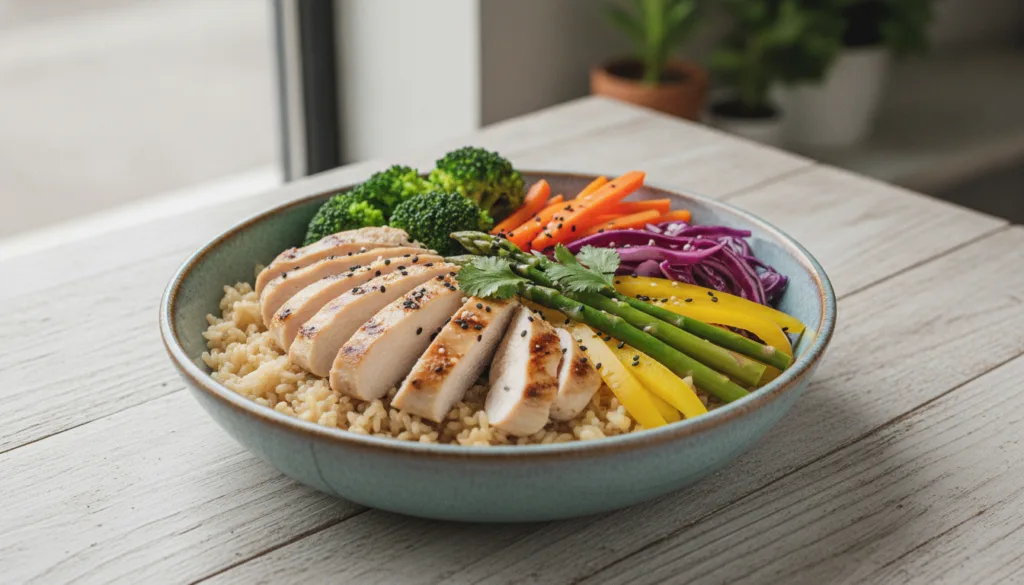
- Whole Grain Base: Is it brown rice, quinoa, or another whole grain?
- Lean Protein: Is the protein grilled, baked, or lightly stir-fried?
- Abundant Veggies: Are there plenty of colorful vegetables filling the bowl?
- Mindful Sauce: Is the sauce low in sugar and sodium, or served on the side?
- Balanced Portions: Is the portion size appropriate for your dietary needs?
Frequently Asked Questions About Healthy Rice Bowls
Are rice bowls healthy for weight loss?
Yes, rice bowls can absolutely be a part of a weight loss plan when thoughtfully prepared. Focus on controlling portion sizes, choosing lean proteins, loading up on vegetables, and opting for whole grains over white rice. Keeping sauces light and mindful of overall calorie intake are crucial.
What is the healthiest type of rice for a bowl?
Brown rice and wild rice are generally considered healthier than white rice due to their higher fiber content, which aids digestion and promotes satiety. Other great grain bases include quinoa, farro, or even cauliflower rice for a lower-carb option.
How can I reduce the calories in a rice bowl?
To reduce calories, you can:
- Swap white rice for cauliflower rice or increase vegetable volume.
- Choose grilled or baked lean protein instead of fried.
- Use light dressings or sauces, or ask for them on the side.
- Avoid extra toppings like crispy noodles or excessive nuts.
- Ensure portion control, especially for the rice component.
Final Thoughts
Navigating the world of delicious food choices doesn’t mean sacrificing your health goals. As our rice bowl showdown revealed, awareness is the first step. By understanding the typical components of popular dishes like Chicken Rice, Beef Rice, Teriyaki Chicken, and Orange Chicken bowls, you can make informed decisions that align with your well-being. Remember, it’s not about restriction, but about smart substitutions and mindful eating. So, go ahead and enjoy your favorite rice bowl—just give it a healthy Glowra Health upgrade!
Medical Disclaimer
The information provided in this article is for general informational purposes only and does not constitute medical advice. Always consult with a qualified healthcare professional before making any changes to your diet or health regimen.