Did you know that something you likely toss in the compost bin after enjoying your creamy avocado might be a hidden gem for your well-being? It’s true! Many of us routinely discard the large, often overlooked seed, unaware that it holds a treasure trove of compounds traditionally valued for their wellness potential.
Imagine transforming that humble seed into a warming, comforting tea that could contribute to your daily health ritual. Intrigued? You’re not alone. Let’s delve into the surprising world of avocado seed tea and what it might offer.
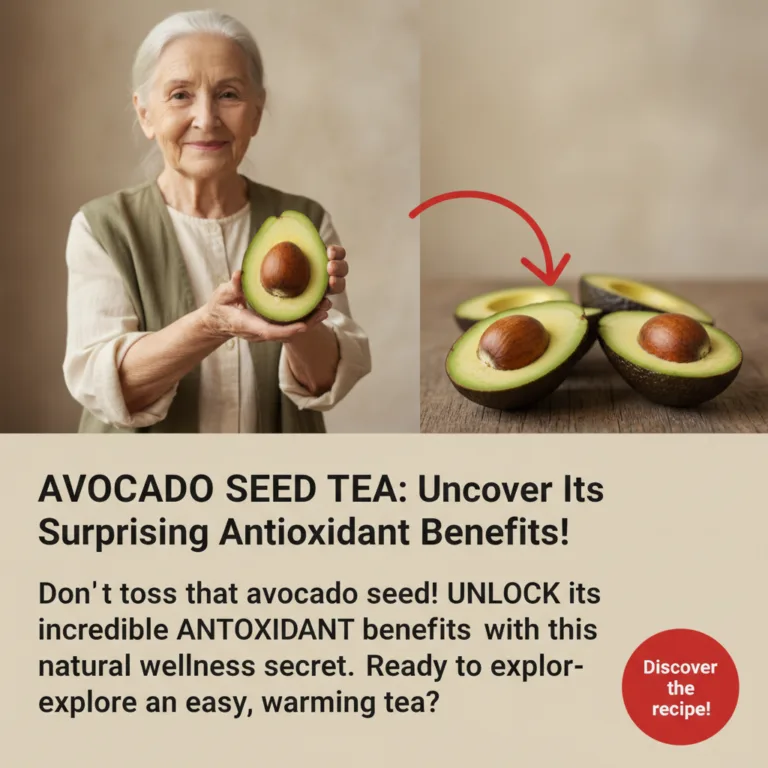
Why This Matters: The Hidden Potential in Your Kitchen
In our modern quest for natural wellness, we often seek out exotic superfoods or expensive supplements. Yet, sometimes, the most profound benefits can be found in the simplest, most accessible ingredients – even those we once considered waste. The avocado seed is a prime example of this.
As awareness grows about sustainable living and making the most of every part of our food, the avocado seed has stepped into the spotlight. People are curious about its historical uses and the potential benefits that modern science is beginning to explore. The idea of turning a discarded seed into a beneficial beverage resonates deeply with those who prefer holistic, natural approaches to health, especially those looking for simple ways to support their vitality as they age.
The Heart of the Matter: Avocado Seed’s Wellness Contributions
So, what makes this often-ignored seed so special? The key lies in its rich composition of plant compounds, particularly its antioxidant content.
Understanding Antioxidants
Think of antioxidants as your body’s personal protectors. They help combat the effects of free radicals, unstable molecules that can cause cellular damage over time. This damage, often called oxidative stress, is a natural part of aging and can be influenced by environmental factors like pollution and an unbalanced diet. By neutralizing free radicals, antioxidants play a crucial role in maintaining overall cellular health and can contribute to a feeling of vitality.
Traditional Uses and Modern Insights
- Traditional Use: For centuries, various cultures have utilized parts of the avocado, including the seed, in traditional remedies. These uses often centered around digestive support, general well-being, and even as a source of energy.
- Modern Understanding: Contemporary research is starting to shed light on the specific compounds responsible for these traditional benefits. Avocado seeds are known to be particularly rich in phenolic compounds, flavonoids, and other antioxidants. While more comprehensive human studies are always needed, early research suggests these compounds may contribute to the seed’s potential to support antioxidant activity in the body.
It’s important to remember that while the presence of these compounds is promising, avocado seed tea should be viewed as a complementary addition to a healthy lifestyle, not a magic bullet or a replacement for professional medical advice.
Your Practical Guide to Making Avocado Seed Tea
Ready to try this natural brew? Making avocado seed tea is surprisingly simple! Here’s how you can transform that discarded seed into a warm, beneficial beverage.
What You’ll Need:
- 1 avocado seed (from a ripe avocado)
- 3-4 cups of water
- A small pot
- A grater or sharp knife
- A strainer
- Optional: honey, lemon, or a pinch of ginger for flavor
Step-by-Step Preparation:
- Clean the Seed: After enjoying your avocado, thoroughly wash the seed to remove any remaining fruit pulp.
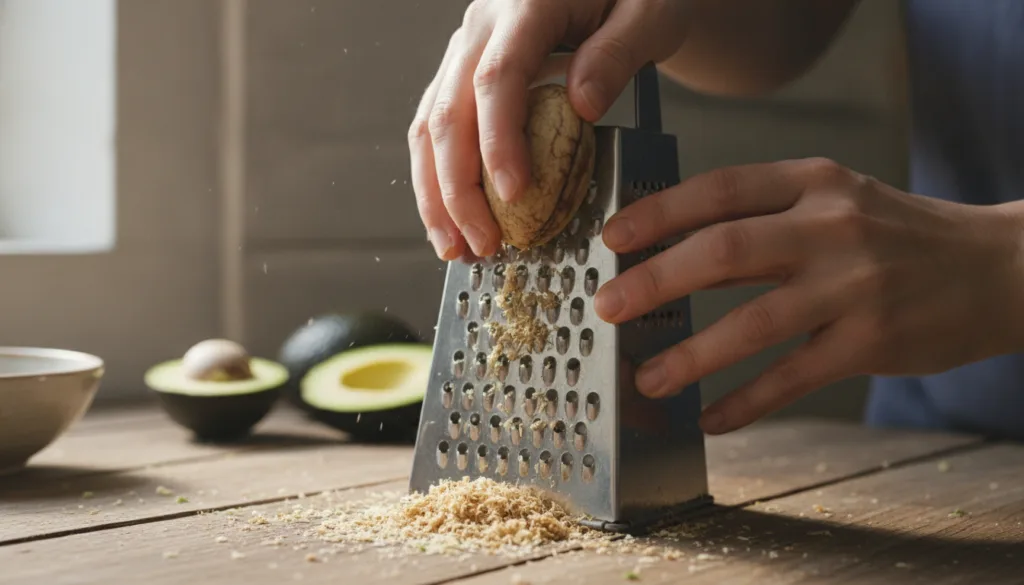
- Prepare the Seed: The easiest way to extract the beneficial compounds is to grate the seed. Carefully grate the avocado seed using the coarse side of a box grater. You’ll notice it has a somewhat reddish hue inside. Alternatively, you can carefully chop the seed into smaller pieces with a very sharp knife.
- Boil and Simmer: Place the grated or chopped avocado seed into a small pot with 3-4 cups of water. Bring the water to a boil, then reduce the heat to a simmer.
- Steep: Let the mixture simmer gently for about 10-15 minutes. The water will likely take on a pale, slightly reddish or amber hue.
- Strain and Serve: Remove the pot from the heat and strain the tea through a fine-mesh strainer into your cup.
Serving Suggestions & Tips:
- Enjoy Warm: Avocado seed tea is best enjoyed warm.
- Flavor Enhancements: The tea has a slightly bitter, earthy flavor. If you find it too strong, you can add a squeeze of fresh lemon juice, a spoonful of honey, or a thin slice of ginger.
- Frequency: Start with one cup a day to see how your body responds.
- Storage: Any leftover tea can be stored in the refrigerator for up to 24 hours. Reheat gently before serving.
Safety & Precautions: Sip Smart
While avocado seed tea is a natural beverage, it’s always wise to approach new additions to your diet with care.
- Consult Your Doctor: If you are pregnant, breastfeeding, taking any medications, or have existing medical conditions, it is crucial to consult your healthcare professional before consuming avocado seed tea.
- Allergies: If you have an avocado allergy, avoid consuming the seed tea.
- Dosage: Start with small amounts to assess your body’s reaction.
- Potential Interactions: While generally considered safe for most healthy individuals in moderation, always be mindful of potential interactions with medications, especially blood thinners, due to certain compounds found in the seed.
Key Takeaways
- Avocado seeds, often discarded, contain a wealth of beneficial antioxidant compounds.
- These compounds, like phenolics and flavonoids, may help combat oxidative stress in the body.
- Making avocado seed tea is a simple, practical way to incorporate these compounds into your diet.
- The tea has an earthy, slightly bitter flavor that can be enhanced with natural sweeteners or citrus.
- Always consult a healthcare professional before adding new remedies to your routine, especially if you have health conditions or take medications.
FAQ
Is avocado seed tea safe to drink daily?
For most healthy individuals, moderate consumption (e.g., one cup a day) is generally considered safe. However, due to limited extensive human research, it’s best to start slow and observe how your body responds. Always consult your doctor for personalized advice.
What does avocado seed tea taste like?
Avocado seed tea typically has an earthy, slightly bitter, and somewhat nutty flavor. Many people find it more palatable with additions like honey, lemon, ginger, or cinnamon to balance the taste.
Can I eat the avocado seed?
While some cultures have traditionally used powdered avocado seed in foods, consuming the whole, raw seed is not generally recommended due to its dense, hard texture and the concentration of certain compounds. Brewing it as a tea is a more common and gentle method of consumption.
How do I store avocado seeds if I want to make tea later?
You can wash and dry avocado seeds thoroughly, then store them in a cool, dry place for a few days, or even freeze them for longer storage. They can be grated or chopped while still fresh or after thawing.
Related Reading You Might Enjoy
- Unlocking the Power of Turmeric: An Anti-Inflammatory Guide
- The Best Herbal Teas for Digestive Wellness
- Top 5 Foods to Boost Your Antioxidant Intake Naturally
- Natural Ways to Support Healthy Aging