Our feet are incredible structures that support us through life, often overlooked until discomfort arises. Yet, these hardworking appendages can offer surprising insights into our general health and well-being. From subtle skin changes to persistent sensations, paying attention to your feet can provide valuable clues about what’s happening within your body. Understanding these foot signs worth noticing can empower you to take proactive steps for your health.
It’s easy to dismiss minor aches or changes, but sometimes, these signals are your body’s way of communicating a deeper need for attention. This guide will walk you through common foot signs and what they might indicate, helping you decode your body’s subtle messages.
Quick Overview
- Main topic: Foot health as an indicator of overall well-being
- Best for: Anyone interested in proactive health monitoring and understanding body signals
- Number of sections: 8 distinct foot signs
- Prep style: Informational guide
- Reader benefit: Increased awareness of health clues, improved self-care insights
Numbness or Tingling Sensation
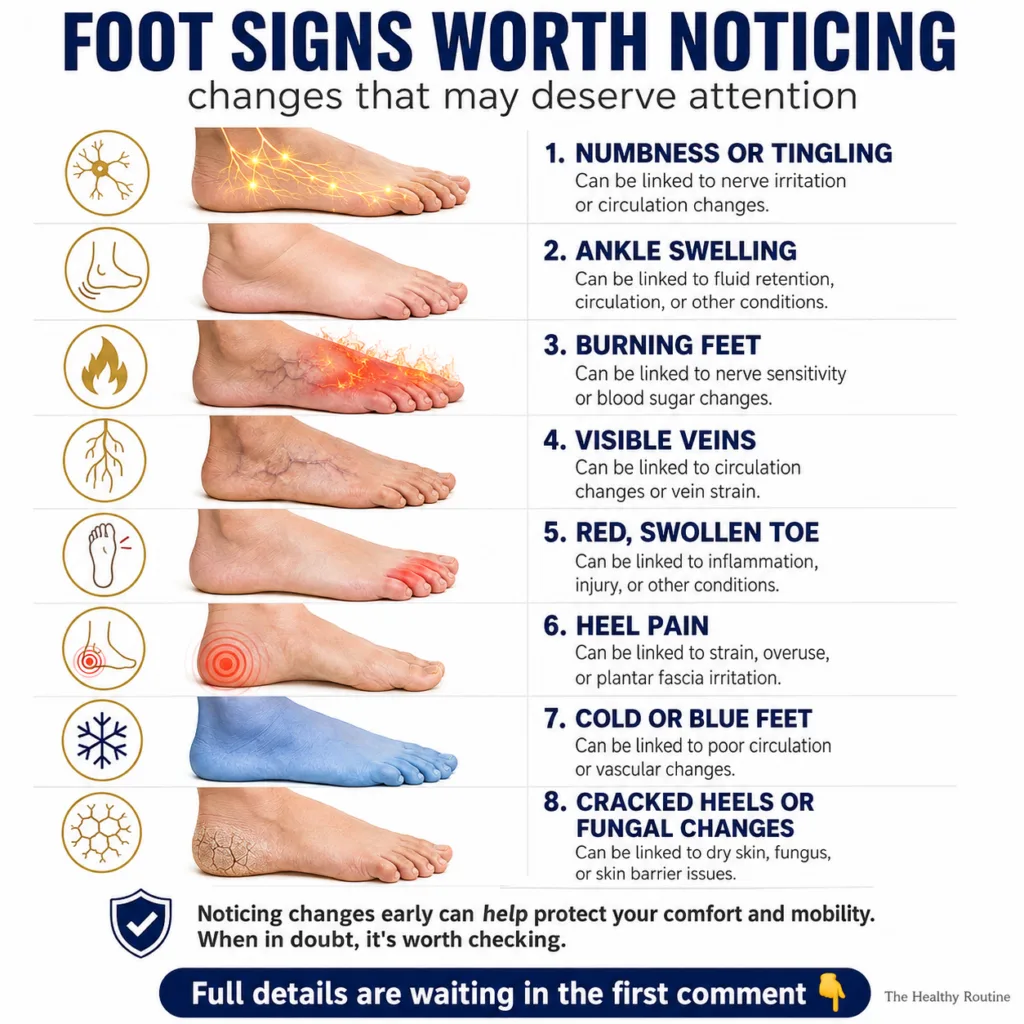
The sensation of numbness or tingling, often described as ‘pins and needles,’ in your feet can be quite common. While sometimes harmless from sitting in an awkward position, persistent or unexplained numbness and tingling could point to nerve irritation or issues with circulation. Conditions like diabetes, pinched nerves, or peripheral neuropathy can manifest with these sensations.
Swelling in Your Feet (Edema)
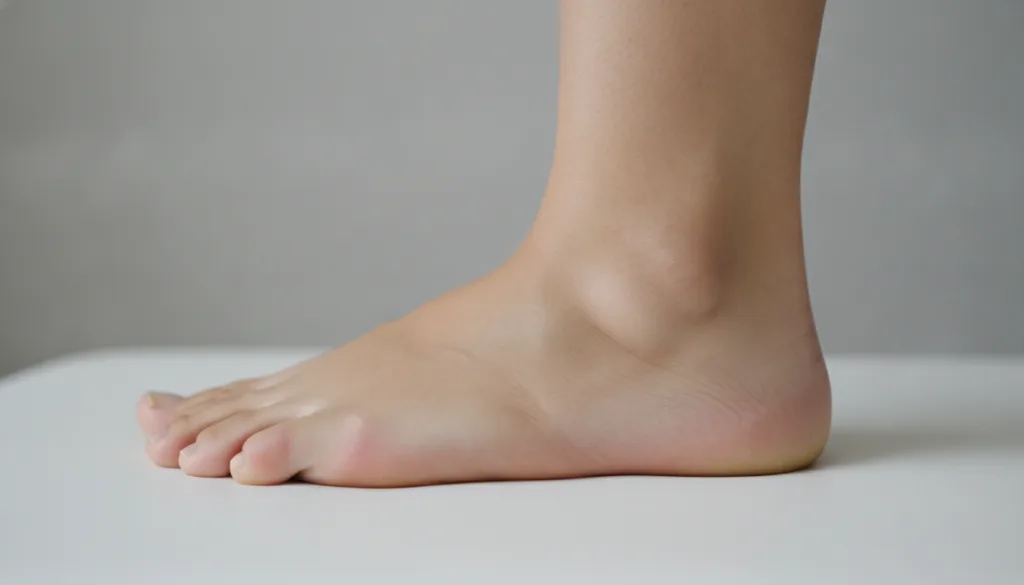
Swelling in your feet, also known as edema, is often caused by fluid retention. It can be temporary due to prolonged standing or a high-sodium diet. However, persistent or significant swelling might indicate underlying health issues such as heart problems, kidney disease, liver dysfunction, or blood clots. It’s especially important to consult a doctor if swelling is accompanied by pain, redness, or heat.
Persistently Cold Feet
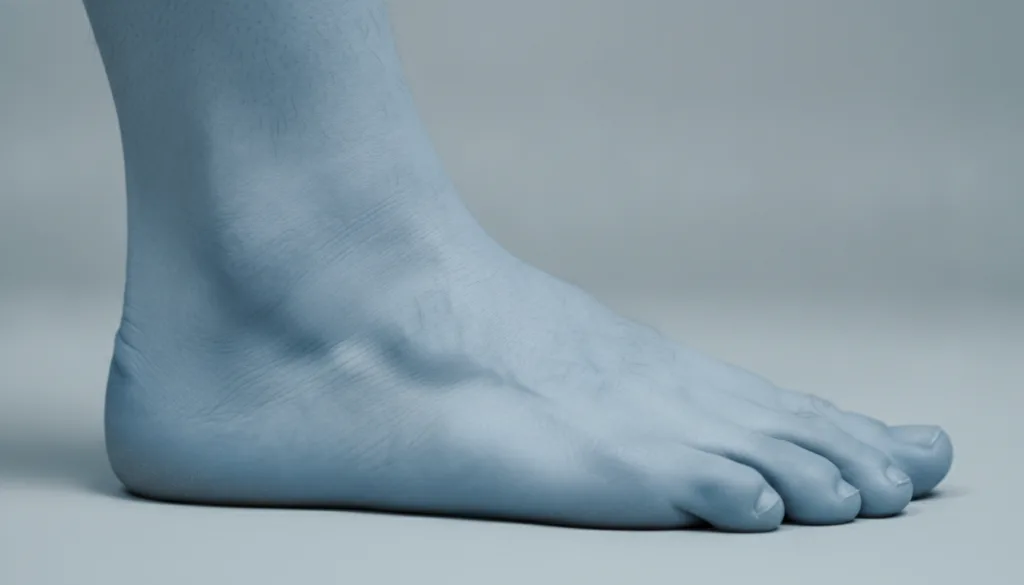
Having cold feet, even in warm environments, can be a sign of poor circulation. Reduced blood flow can be caused by conditions like peripheral artery disease (PAD), Raynaud’s phenomenon, or even an underactive thyroid. If your feet are consistently cold, especially if accompanied by pain or skin changes, it’s a good idea to discuss this with a healthcare professional.
Dry, Flaky, or Peeling Skin
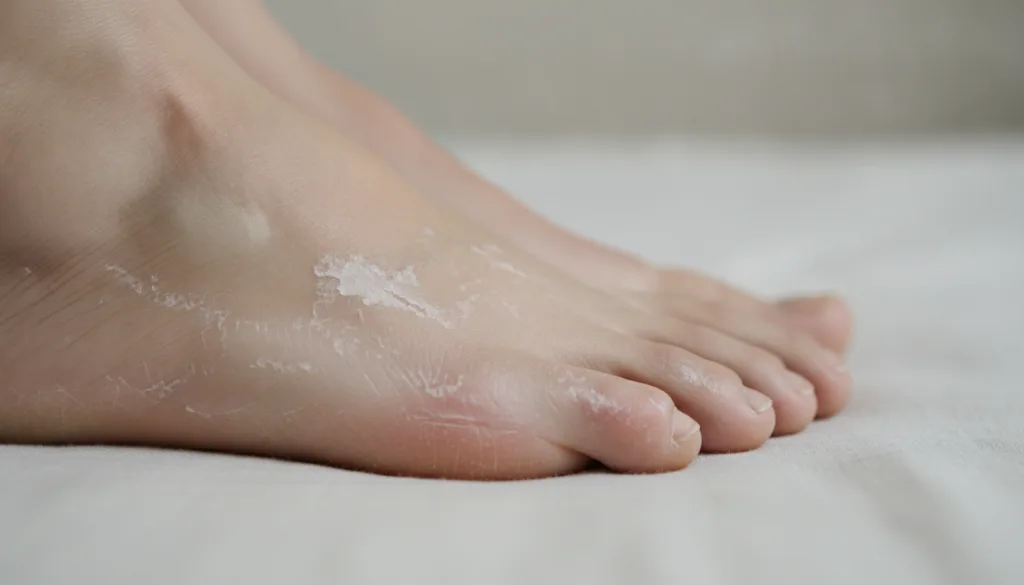
While dry skin can simply be due to lack of moisture, persistent dryness, flakiness, or peeling on your feet might be more than just a cosmetic issue. It can be a symptom of athlete’s foot (a fungal infection), eczema, psoriasis, or even a sign of thyroid problems. If moisturizing doesn’t help, or if there’s itching or redness, it’s worth getting it checked.
Brittle or Discolored Nails
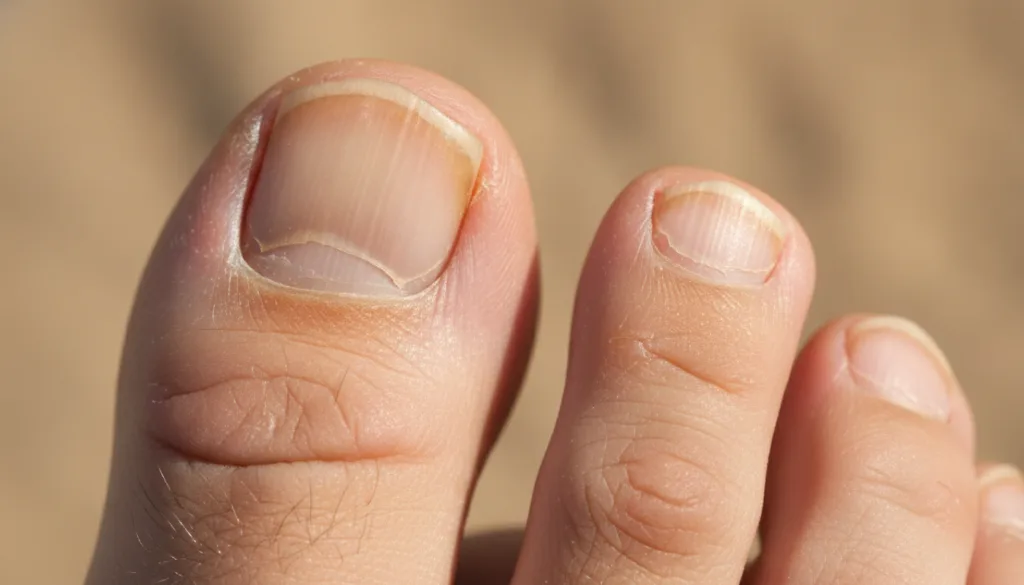
Your toenails can also provide clues about your health. Brittle, thick, or discolored nails (yellow, brown, or black) can point to fungal infections, which are common but can be stubborn to treat. However, they can also signal nutritional deficiencies, trauma, or, in rare cases, more serious systemic issues affecting circulation or even skin cancer. Monitoring these changes is key.
Persistent Foot Cramps
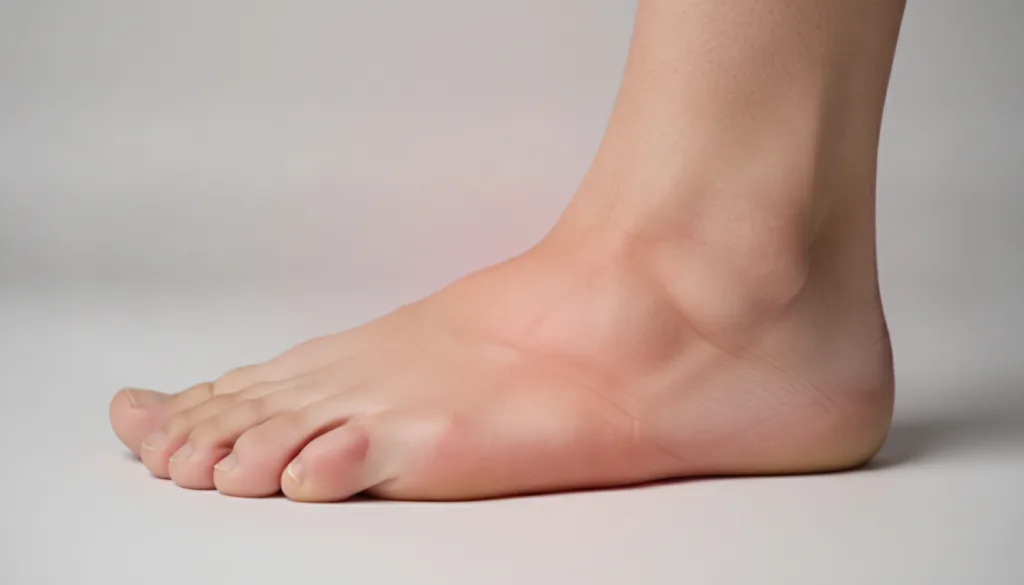
While occasional foot cramps can be due to overexertion, dehydration, or wearing unsupportive shoes, persistent and frequent cramping might warrant a closer look. They can be linked to electrolyte imbalances (like low potassium or magnesium), nerve compression, or even underlying circulatory problems. Ensuring adequate hydration and nutrient intake can often help, but consulting a doctor is wise if cramps persist.
Sore Heels or Arches
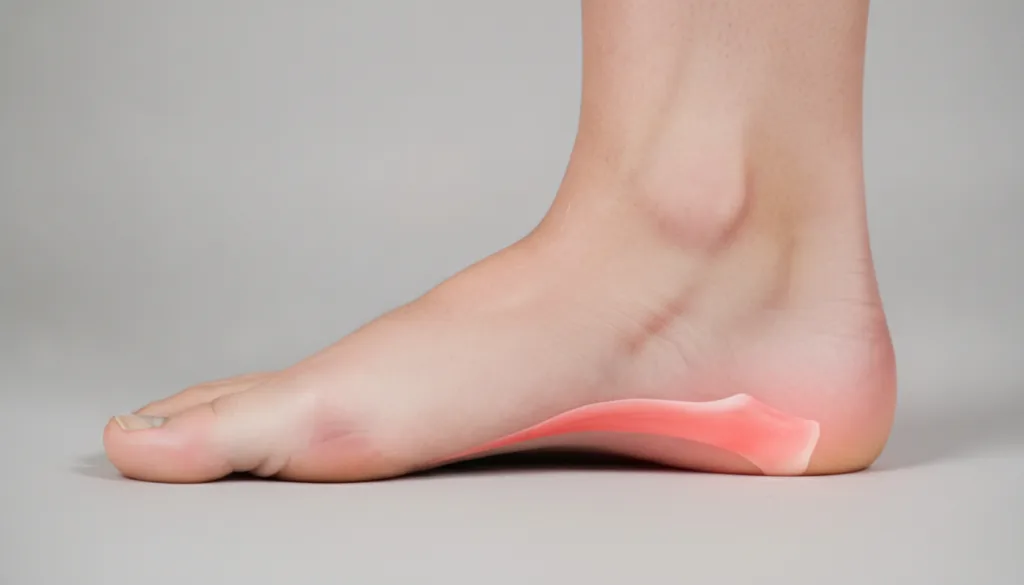
Chronic pain in your heels or arches, especially first thing in the morning or after periods of rest, is often a classic sign of plantar fasciitis. This common condition involves inflammation of the thick band of tissue (plantar fascia) that runs across the bottom of your foot. Other causes can include ill-fitting footwear, stress fractures, or issues with foot mechanics. Proper support and rest are crucial.
Changes in Foot Hair Growth
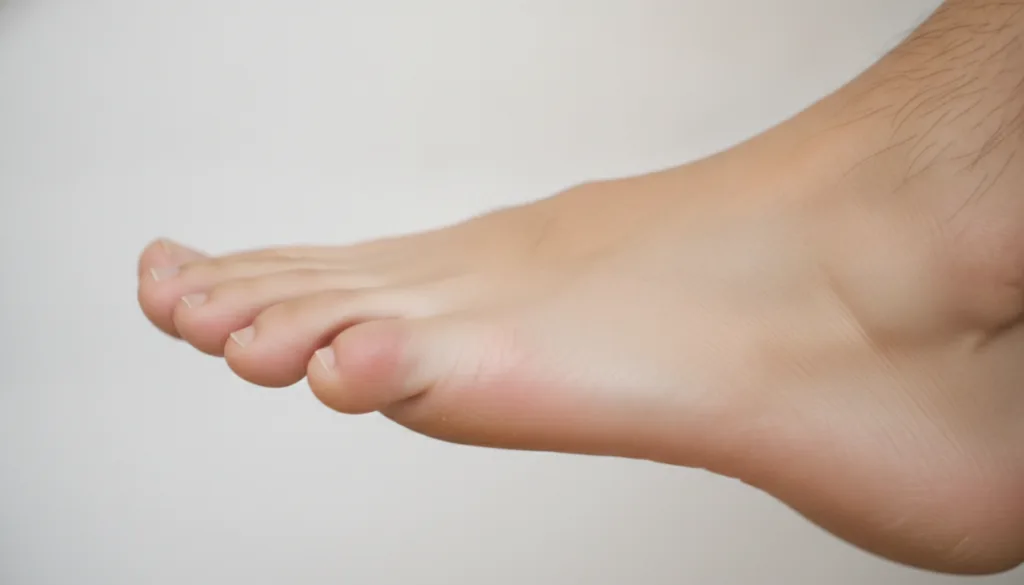
While it might seem like a small detail, changes in hair growth on your feet and toes can be a significant indicator of your circulatory health. A sudden decrease or complete absence of hair on the feet and lower legs can suggest poor blood flow, often associated with peripheral artery disease (PAD). This is because healthy hair growth requires a steady supply of nutrients delivered by good circulation.
Simple Tips for Best Results
- Inspect Your Feet Regularly: Make it a habit to check your feet daily for any changes in skin, nails, temperature, or sensation.
- Wear Supportive Footwear: Choose shoes that fit well, offer good arch support, and provide adequate cushioning to prevent common foot problems.
- Practice Good Foot Hygiene: Wash your feet daily with mild soap, dry them thoroughly (especially between the toes), and moisturize to prevent dryness and cracking.
- Stay Hydrated and Nourished: Drink plenty of water and eat a balanced diet rich in vitamins and minerals to support overall health, which reflects in your feet.
- Be Active: Regular physical activity improves circulation and strengthens the muscles in your feet and legs.
- Don’t Self-Diagnose: If you notice persistent or concerning foot signs, always consult a healthcare professional for an accurate diagnosis and appropriate treatment.
FAQ
What are the most common foot problems?
Common foot problems include athlete’s foot, bunions, corns, calluses, plantar fasciitis, and ingrown toenails. Many of these can be managed with proper foot care and supportive footwear.
When should I worry about foot pain?
You should worry about foot pain if it’s severe, sudden, accompanied by swelling or redness, prevents you from walking, or persists for more than a few days without improvement. These symptoms warrant a professional medical evaluation.
Can foot problems be linked to diabetes?
Yes, diabetes can significantly affect foot health, leading to nerve damage (neuropathy), poor circulation, and increased risk of infections and slow-healing wounds. Regular foot checks are crucial for individuals with diabetes.
Final Thoughts
Your feet are more than just a means of transport; they are intricate indicators of your body’s overall health and fitness. By paying attention to these foot signs worth noticing, you can catch potential health issues early and seek appropriate care. Empower yourself with this knowledge and remember that your feet deserve as much attention as any other part of your body. Listen to what they’re telling you – it could make a world of difference to your well-being.
MEDICAL DISCLAIMER: The information provided in this article is for general educational purposes only and is not intended to be a substitute for professional medical advice, diagnosis, or treatment. Always seek the advice of your physician or other qualified health provider with any questions you may have regarding a medical condition.