Tired of every step causing discomfort? This simple at-home remedy can help soothe your feet and support the gentle softening of stubborn foot corns, helping you rediscover the joy of softer, happier feet.
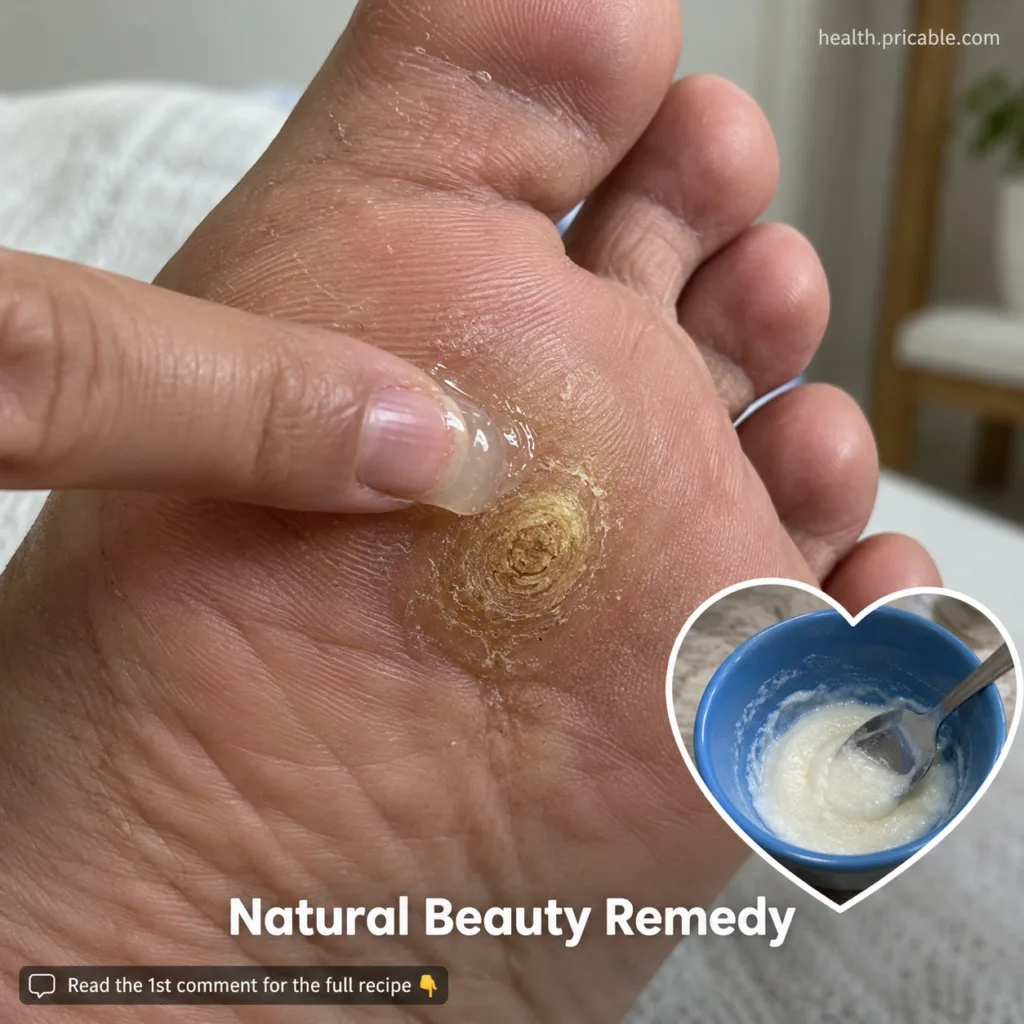
Quick Recipe
Prep time: 5 minutes
Best for: Foot corns, rough skin on feet
Use type: Paste
Main ingredients:
- Baking soda
- Lemon juice
- Coconut oil
Ingredients
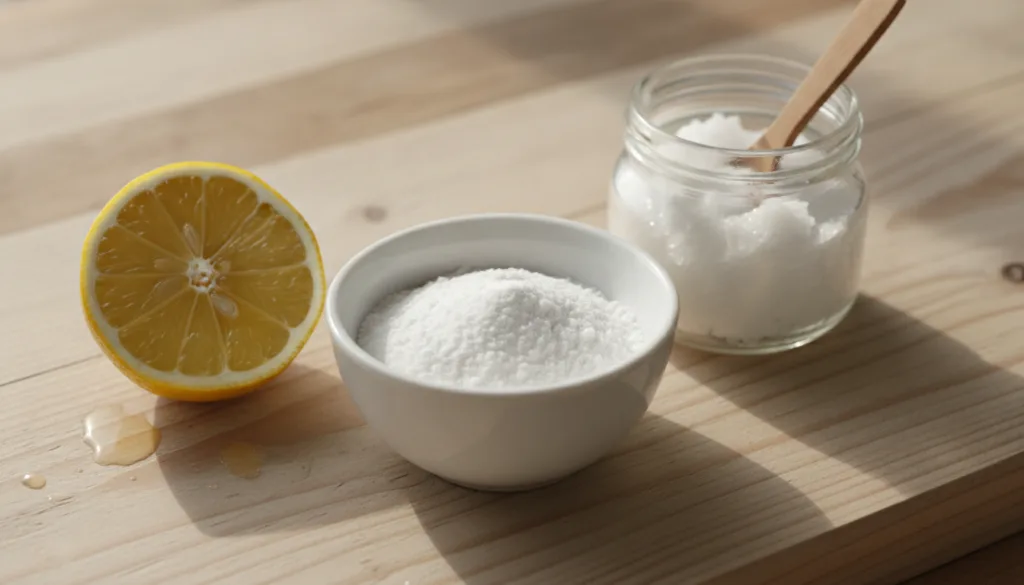
- 1 tablespoon baking soda
- 1 teaspoon fresh lemon juice
- 1/2 teaspoon coconut oil (melted if solid)
How to Make It
- In a small non-metallic bowl, combine the baking soda and lemon juice. It will fizz slightly.
- Add the melted coconut oil to the mixture.
- Stir well until you achieve a thick, smooth paste. If it’s too thick, add a tiny bit more lemon juice; if too thin, add a pinch more baking soda.
How to Use It
- Wash and thoroughly dry your feet, especially the area with the foot corn.
- Apply a generous layer of the paste directly onto the foot corn. Avoid applying to healthy skin around it if possible, though these ingredients are generally mild.
- Cover the treated area with a small piece of gauze or a bandage to help keep the paste in place and allow it to work overnight.
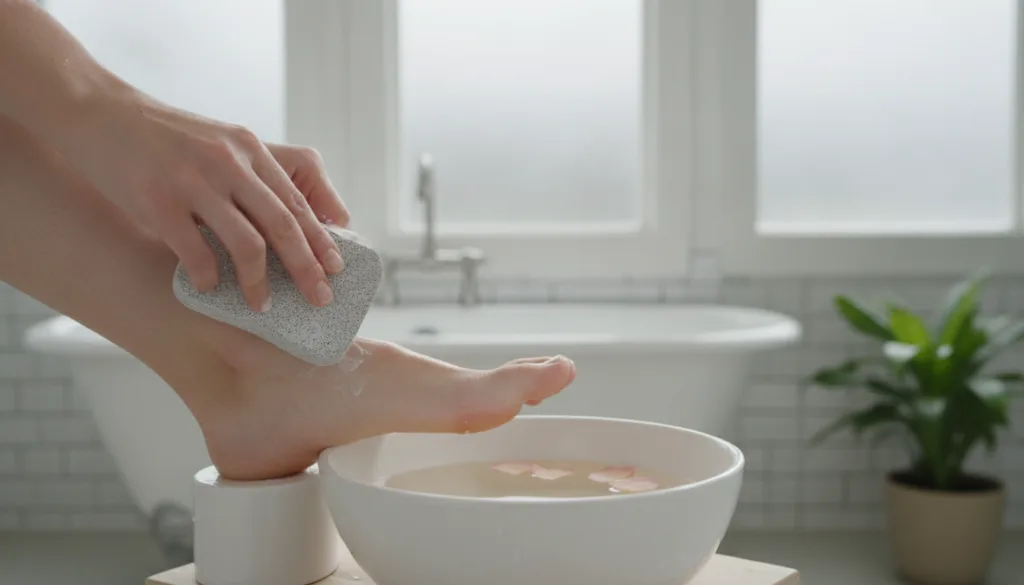
- In the morning, remove the bandage and rinse your foot with warm water. Gently buff the area with a pumice stone or foot file.
How Often to Use It
Use this remedy once nightly for 5-7 days, or until the corn appears softer and is easier to manage. Discontinue use if any irritation occurs.
Why These Ingredients Are Used
Baking Soda
Baking soda (sodium bicarbonate) acts as a mild abrasive, which can help gently exfoliate dead skin cells. It’s also known for its alkalizing properties, which some believe can help soften hardened skin over time.
Lemon Juice
Fresh lemon juice contains citric acid, a natural alpha-hydroxy acid (AHA). AHAs are known to help break down dead skin cells and promote skin renewal, which can aid in softening the tough skin of a corn.
Coconut Oil
Coconut oil is a wonderful natural moisturizer, rich in fatty acids. It helps to hydrate and nourish the skin, making it more pliable. Its emollient properties can also help the paste adhere better and provide a soothing base for the other ingredients.
What Results to Expect
With consistent use, you can expect the foot corn to feel noticeably softer and less rigid. This softening can help reduce the pressure and discomfort when walking. While it may take time, this remedy aims to support the natural shedding of hardened skin, contributing to a smoother, more comfortable foot surface.
Safety Notes
- Patch test first on a small area of healthy skin to check for any sensitivity.
- Use gently and avoid vigorous scrubbing, especially if your skin is sensitive.
- Do not apply this remedy to broken, irritated, or infected skin.
- Stop using it immediately if any redness, itching, burning, or discomfort occurs.
- If you have diabetes, poor circulation, or any serious foot condition, consult a healthcare professional before trying any home remedies for foot corns.
- Keep out of reach of children.
FAQ
Can I use this remedy on calluses?
Yes, this paste can also be used to help soften calluses, which are similar to corns but generally larger and less defined. Apply it in the same manner.
How long until I see results?
Results can vary depending on the size and depth of the foot corn. You may notice softening within a few days, but it might take 1-2 weeks of consistent application for more significant improvement.
Can I use apple cider vinegar instead of lemon juice?
While apple cider vinegar is also an acidic option, lemon juice is generally milder for skin applications. If you choose to use apple cider vinegar, dilute it with a little water to reduce its intensity.
Final Thoughts
Taking care of your feet can make a huge difference in your daily comfort. This natural foot corn paste offers a gentle, accessible way to address those pesky corns at home. Give it a try and step towards happier, more comfortable feet!