Have you ever found yourself wishing for a gentle, natural way to calm an upset stomach or ease that feeling of post-meal heaviness? Many of us experience occasional digestive discomfort, whether it’s a little bloat, a mild ache, or just that general ‘off’ feeling. Before reaching for over-the-counter remedies, what if your kitchen held the secret to a happy, settled tummy?
Today, we’re diving into two humble yet potent ingredients – fresh ginger and invigorating peppermint – and exploring how their simple combination in warm water can become your go-to natural solution for digestive well-being. It’s a comforting blend that’s easy to prepare and has been cherished for centuries.
Why This Matters: Embracing Natural Digestive Support
In our fast-paced world, digestive issues have become increasingly common. From stress-induced indigestion to dietary sensitivities, many people are looking for ways to support their gut health without relying solely on pharmaceutical interventions. The beauty of natural remedies lies in their accessibility and their often synergistic approach to wellness.
Ginger and peppermint have soared in popularity within the natural wellness community not just for their pleasant aromas and flavors, but for their long-standing reputation in traditional medicine for easing digestive woes. Many are turning to these time-honored herbs as a first line of defense, seeking gentle comfort and effective relief that aligns with a holistic lifestyle. This isn’t about replacing medical advice for serious conditions, but rather empowering you with simple, effective ways to manage everyday discomfort and maintain your vitality.
The Dynamic Duo: How Ginger and Peppermint Work Their Magic
Ginger: The Warming Digestive Aid
Known for its distinctive spicy-sweet flavor and warming sensation, ginger has been a staple in traditional medicine across Asia for millennia. Its power comes primarily from compounds called gingerols and shogaols, which give it its pungent flavor and therapeutic properties.
- Traditional Use: Ginger is famously used to alleviate nausea, motion sickness, and morning sickness. It has also been traditionally employed to soothe indigestion, reduce gas, and calm stomach spasms.
- Modern Understanding: Research suggests that ginger may help speed up gastric emptying, meaning food moves more quickly out of the stomach, which can reduce feelings of fullness and discomfort. Its compounds also have anti-inflammatory properties and may help relax the smooth muscles of the digestive tract, easing cramps.
Peppermint: The Cooling Calmer
The refreshing, invigorating scent and taste of peppermint come from its main active compound, menthol. Peppermint has long been a go-to herb for its soothing effects on the digestive system.
- Traditional Use: Peppermint tea has been a folk remedy for upset stomachs, indigestion, gas, and bloating. It’s often used to provide a cooling, calming sensation to the digestive tract.
- Modern Understanding: Scientific studies have shown that menthol in peppermint can act as a natural antispasmodic, meaning it helps relax the muscles of the gastrointestinal tract. This can be particularly beneficial for easing abdominal cramps and reducing discomfort associated with conditions like irritable bowel syndrome (IBS). It can also help relieve trapped gas.
The Synergy of the Blend
When combined, ginger and peppermint offer a powerful, complementary approach to digestive wellness. Ginger’s warming, pro-motility effects pair beautifully with peppermint’s cooling, antispasmodic qualities. Together, they can help:
- Reduce nausea and motion sickness.
- Alleviate bloating and gas.
- Soothe stomach cramps and spasms.
- Aid in overall digestion after a heavy meal.
Your Practical Guide: Brewing the Perfect Soothing Tea
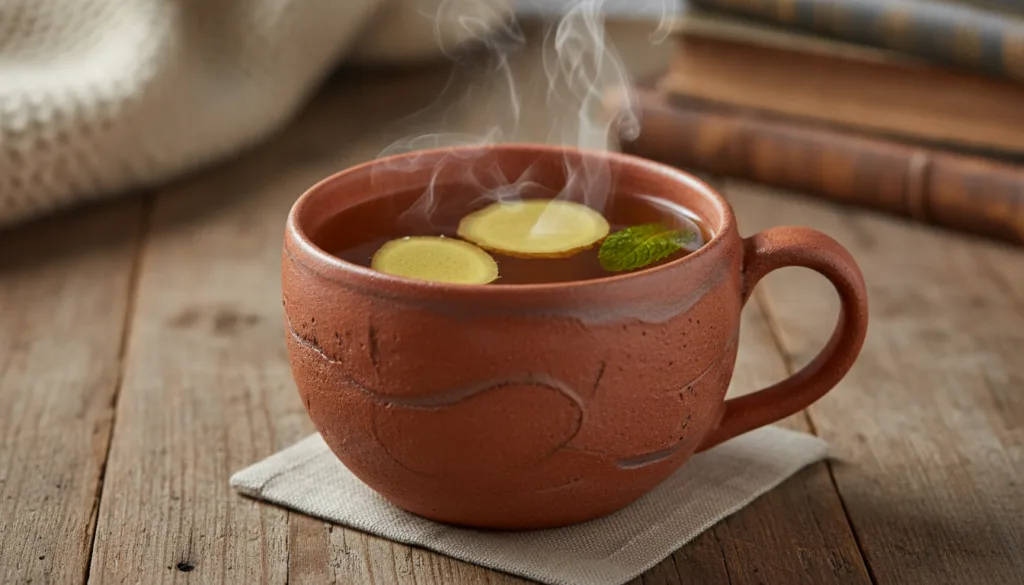
Creating this natural stomach soother is wonderfully simple and takes just minutes. Here’s how you can make your own comforting ginger and peppermint tea:
Ingredients:
- 1-2 inches (2.5-5 cm) fresh ginger root, peeled and thinly sliced or grated
- 5-10 fresh peppermint leaves (or 1 teaspoon dried peppermint)
- 8-10 ounces (240-300 ml) hot water
- Optional: a slice of lemon or a drizzle of raw honey for taste
Instructions:
- Prepare Ginger: Wash the ginger root thoroughly. You can peel it or leave the skin on if it’s organic and clean. Thinly slice the ginger or grate it for a stronger flavor.
- Combine: Place the sliced or grated ginger and fresh (or dried) peppermint leaves into a mug.
- Add Hot Water: Pour hot water (just off the boil) over the ginger and peppermint.
- Steep: Cover the mug to trap the beneficial essential oils and steep for 5-10 minutes. For a stronger brew, steep longer.
- Strain and Serve: Strain out the ginger and peppermint if desired, or leave them in for continuous infusion. Add lemon or honey to taste, if using.
Beginner Tips:
- Adjust Strength: Start with smaller amounts of ginger and peppermint and increase to your preference.
- Fresh vs. Dried: Fresh ingredients offer the most vibrant flavor and potency, but high-quality dried herbs are a good alternative.
- Consistency: Enjoy this tea as needed, especially after meals or whenever you feel digestive discomfort.
Safety & Precautions: Important Considerations
While ginger and peppermint are generally safe for most people when consumed in moderate amounts as a tea, it’s always wise to be aware of potential considerations:
- Acid Reflux: For some individuals, peppermint can relax the lower esophageal sphincter, potentially worsening acid reflux or heartburn. If you experience this, you might consider reducing the amount of peppermint or opting for ginger tea alone.
- Blood Thinners: Ginger has mild blood-thinning properties. If you are on blood-thinning medication, consult your healthcare professional before consuming large amounts of ginger. The amount in a tea is typically small, but it’s always best to be informed.
- Allergies: Though rare, some individuals may be allergic to ginger or peppermint. Discontinue use if you experience any adverse reactions.
- Pregnancy and Existing Conditions: If you are pregnant, breastfeeding, or have any underlying medical conditions (such as gallstones or diabetes), or are taking prescription medications, it’s always recommended to speak with your doctor or a qualified healthcare professional before incorporating new herbal remedies into your routine.
Key Takeaways for a Happier Tummy
- Ginger and peppermint are natural, effective allies for digestive comfort.
- Ginger helps relieve nausea, speed digestion, and reduce inflammation.
- Peppermint soothes cramps, reduces gas, and calms digestive spasms.
- Combining them in a warm tea offers a synergistic approach to wellness.
- It’s a simple, practical, and gentle home remedy to integrate into your routine.
- Always consult a healthcare professional if you have concerns, existing conditions, or are on medication.
Frequently Asked Questions About Digestive Teas
Q1: Can I drink ginger and peppermint tea daily?
A: For most healthy individuals, consuming ginger and peppermint tea daily in moderation is generally considered safe and can be beneficial for ongoing digestive support. However, listen to your body and adjust as needed.
Q2: Is this tea safe for children?
A: While often considered mild, it’s best to consult a pediatrician before giving herbal teas, especially peppermint, to young children, particularly infants. For older children, a weaker brew may be appropriate.
Q3: What if I don’t have fresh ginger or peppermint?
A: You can use dried ginger powder (about 1/2 teaspoon per cup) and dried peppermint leaves (1 teaspoon per cup). While fresh ingredients often yield the best flavor, dried forms still offer beneficial compounds.
Q4: Can this tea help with severe stomach pain?
A: This tea is intended for mild, occasional digestive discomfort. If you are experiencing severe or persistent stomach pain, it is crucial to seek medical attention to determine the underlying cause.
Q5: Can I add other herbs to this tea?
A: Absolutely! Chamomile (for relaxation), lemon balm (for calming), or fennel seeds (for gas) can be wonderful additions to further enhance the soothing properties and flavor of your tea.
Explore More Natural Wellness
If you enjoyed learning about the benefits of ginger and peppermint, you might also be interested in exploring other natural ways to support your health. Dive deeper into our articles on:
- The Best Anti-Inflammatory Foods for Daily Wellness
- Herbal Remedies for Stress and Anxiety
- Boosting Your Immune System Naturally
- Healthy Aging: Essential Nutrients for Vitality
- Understanding Gut Health: Probiotics and Prebiotics Explained