Are you looking for ways to give your garden a boost without breaking the bank or relying on synthetic fertilizers? Imagine turning everyday kitchen waste into a powerful, nutrient-rich food source for your plants! It’s not just a dream; it’s a simple, sustainable practice that can transform your garden into a vibrant, thriving oasis.
At Garden – L. Quyên, we’re all about smart, eco-friendly gardening, and one of our favorite hacks involves giving kitchen scraps a second life. Not only does this reduce waste, but it also enriches your soil, promotes healthier plant growth, and connects you more deeply with the cycle of nature in your own backyard.
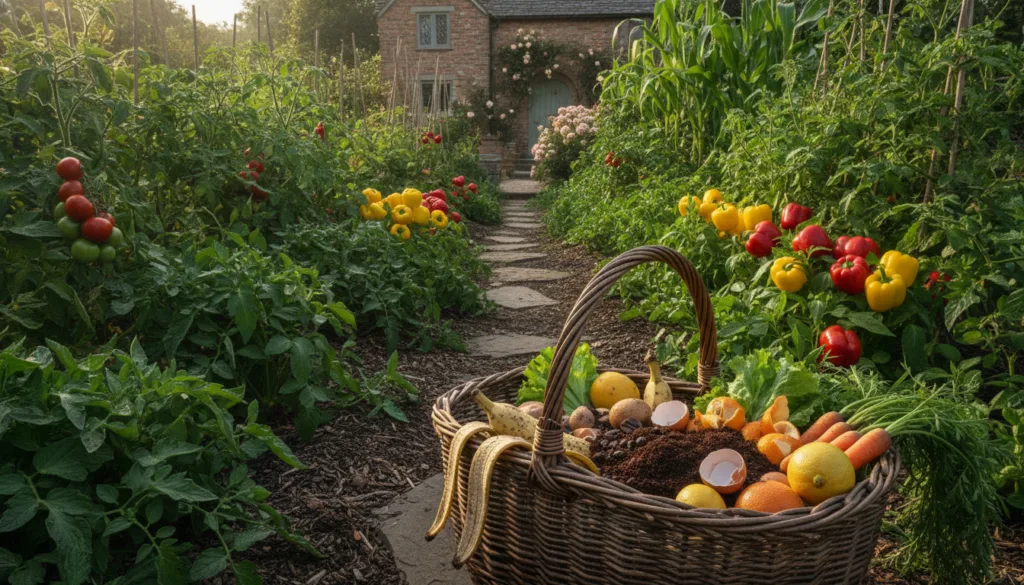
Why Kitchen Scraps Are Gold for Your Garden
When you toss out fruit peels, vegetable trimmings, or coffee grounds, you’re not just discarding waste; you’re throwing away valuable organic matter and essential nutrients that plants absolutely love. These scraps are packed with nitrogen, phosphorus, potassium, and a host of micronutrients that are vital for strong roots, lush foliage, bountiful flowers, and delicious produce.
- Nutrient Boost: Directly feeds your plants with a slow-release supply of minerals.
- Improved Soil Structure: Adds organic matter, which helps retain moisture, improve drainage, and aerate the soil.
- Beneficial Microbes: Encourages a healthy ecosystem of microorganisms in the soil, which are crucial for nutrient cycling.
- Reduced Waste: Diverts organic material from landfills, significantly reducing your household’s environmental footprint.
- Cost-Effective: Eliminates the need to buy as many commercial fertilizers.
What Kitchen Scraps Can You Use?
Many common kitchen discards are perfect for transforming into garden gold:
- Fruit & Vegetable Peels/Scraps: Banana peels, apple cores, potato skins, carrot tops, lettuce leaves, orange rinds (in moderation), etc.
- Coffee Grounds: Rich in nitrogen, great for acid-loving plants.
- Tea Leaves/Bags: Another source of nitrogen and organic matter. Remove staples from tea bags.
- Eggshells: A fantastic source of calcium for strengthening cell walls and preventing blossom end rot in tomatoes and peppers. Crush them finely!
- Nut Shells: (e.g., peanut, pistachio) Provide slow-release nutrients and improve soil texture. Avoid black walnut shells.
What Kitchen Scraps Should You Avoid?
While most plant-based scraps are great, some items should be kept out of your garden to prevent pests, odors, and diseases:
- Meat, Bones, & Dairy Products: Attract pests like rodents and flies, and can cause unpleasant odors.
- Oily/Greasy Foods: Can repel water and slow down decomposition.
- Diseased Plants: Don’t introduce plant diseases back into your healthy garden.
- Pet Waste: Contains pathogens that can be harmful to humans and plants.
- Heavily Processed Foods: Often contain salt, sugar, and preservatives that aren’t good for your soil.
Easy Ways to Transform Scraps into Garden Goodness
You don’t need a fancy setup to start. Here are a few simple methods:
1. The Mighty Compost Pile/Bin
Composting is the classic way to turn scraps into nutrient-rich soil amendment. It involves layering ‘greens’ (nitrogen-rich items like food scraps, grass clippings) and ‘browns’ (carbon-rich items like dry leaves, shredded cardboard). Over time, these materials break down into rich, dark compost.
- How To: Start a dedicated compost bin or pile. Layer your kitchen scraps with yard waste. Turn it regularly and keep it moist.
- Benefits: Creates a versatile soil conditioner for all your plants.
2. Nutrient-Packed Compost Tea
Compost tea is a liquid fertilizer made by steeping compost or nutrient-rich scraps in water. It’s like a power-packed drink for your plants, providing readily available nutrients and beneficial microbes.
How to Make Simple Compost Tea:
- Gather Scraps: Collect a mix of fruit and vegetable scraps, coffee grounds, and tea leaves.
- Soak: Place your scraps in a permeable bag (like an old onion bag or pantyhose) and tie it securely. Submerge the bag in a bucket of non-chlorinated water (rainwater or tap water left out overnight to de-chlorinate).
- Steep: Let it steep for 3-5 days. Stir occasionally. The water will turn a brownish color.
- Dilute & Apply: Dilute the tea with more water until it looks like weak iced tea. Pour directly onto the soil around the base of your plants or use it as a foliar spray early in the morning or late in the afternoon.
- Compost the Solids: Don’t waste the leftover scraps! Add them to your compost pile or bury them directly in the garden.
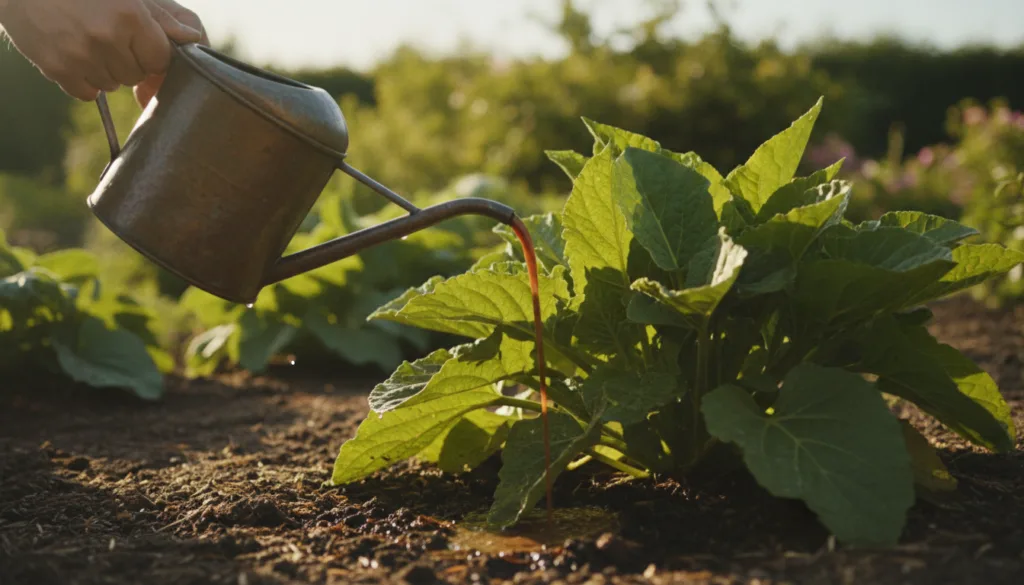
3. Direct Burial for a Quick Boost
For a super simple method, you can directly bury certain scraps in your garden beds. This works best in areas where you plan to plant later or around established plants.
- How To: Dig a small trench or hole (about 6-8 inches deep) near your plants, or in an empty garden bed. Add a layer of non-meat/dairy kitchen scraps (e.g., banana peels, coffee grounds, eggshells). Cover completely with soil.
- Benefits: Feeds the soil slowly as scraps decompose, provides aeration, and is very low effort.
- Tip: Avoid burying too close to young roots, and make sure the scraps are fully covered to deter pests.
Benefits You’ll See in Your Garden
By incorporating kitchen scraps into your gardening routine, you’ll notice significant improvements:
- Vibrantly Healthy Plants: Stronger stems, greener leaves, and more abundant blooms and harvests.
- Resilient Soil: Enhanced fertility, better water retention, and improved resistance to erosion.
- Reduced Pest Problems: Healthy plants with good nutrition are often more resistant to pests and diseases.
- A Greener Lifestyle: Feel good about reducing waste and nurturing the earth, one garden scrap at a time.
Start Your Kitchen Scrap Garden Journey Today!
Embracing kitchen scraps in your garden is an easy, rewarding step towards more sustainable and successful gardening. Whether you choose composting, brewing compost tea, or direct burial, you’re giving your garden a gift that keeps on giving.
We encourage you to experiment and see what works best for your garden. Share your kitchen scrap success stories with us in the comments – we’d love to hear how you’re transforming your waste into garden wonders!