Unlock Your Garden’s Potential with Kitchen Waste!
Gardening is a beautiful journey, and every gardener dreams of thriving plants and a vibrant ecosystem. What if we told you that some of the best tools for achieving this are likely sitting in your kitchen right now? That’s right! Your kitchen waste isn’t just trash; it’s a treasure trove of nutrients and natural pest deterrents waiting to revitalize your garden. Embrace sustainable gardening practices and watch your plants flourish, all while reducing waste!
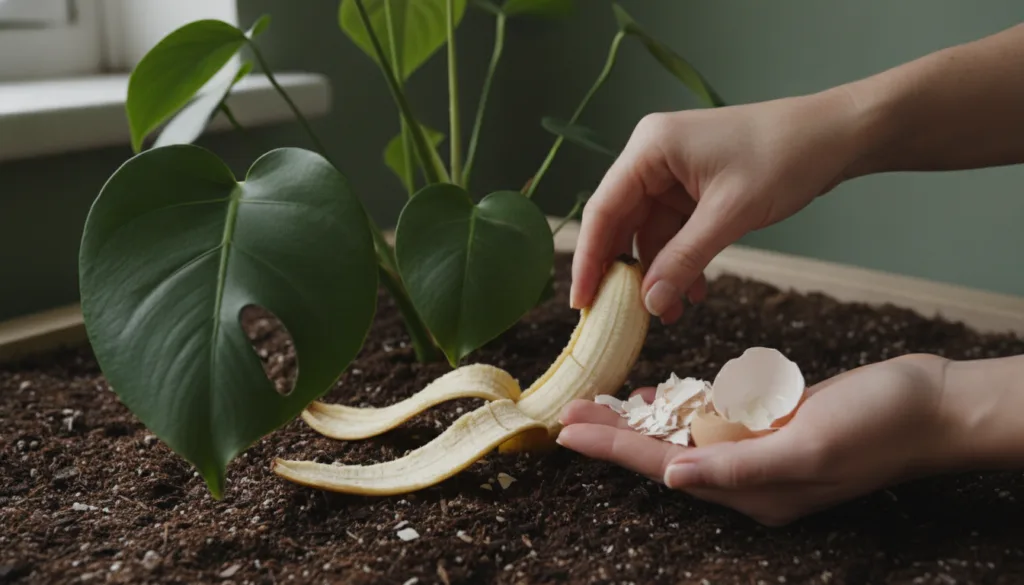
The Eco-Friendly Benefits of Kitchen Scraps in Your Garden
Using kitchen waste in your garden offers a double win: you reduce landfill waste and provide your plants with natural, chemical-free nourishment. It’s a simple yet powerful way to contribute to a healthier planet and a healthier garden. From improving soil structure to deterring unwanted pests, these everyday discards are incredibly versatile.
DIY Fertilizers from Everyday Kitchen Scraps
Why buy expensive fertilizers when nature provides them for free? Many common kitchen scraps are packed with essential nutrients your plants crave.
1. Eggshells for Calcium Boost
Eggshells are rich in calcium, which is vital for strong cell walls and preventing blossom end rot in tomatoes and peppers. They also help balance soil pH.
- Preparation: Rinse eggshells thoroughly, let them dry, and then crush them into a fine powder. You can use a blender or mortar and pestle.
- Application: Mix the crushed eggshells directly into the soil when planting, or sprinkle them around the base of established plants. They decompose slowly, providing a steady release of calcium.
2. Banana Peels for Potassium Power
Banana peels are a fantastic source of potassium, which is crucial for flower and fruit development, overall plant health, and disease resistance. They also contain phosphorus and calcium.
- Preparation: You can chop banana peels into small pieces and bury them directly in the soil around hungry plants. Alternatively, dry them out and grind them into a powder for a longer-lasting fertilizer.
- Application: Bury chopped peels a few inches deep near potassium-loving plants like roses, tomatoes, and fruit trees.
3. Coffee Grounds for Acid-Loving Plants
Spent coffee grounds add nitrogen, phosphorus, and potassium to the soil, making them excellent for acid-loving plants like blueberries, azaleas, hydrangeas, and roses. They also improve soil structure and attract beneficial worms.
- Preparation: Allow coffee grounds to dry out completely to prevent mold.
- Application: Sprinkle a thin layer around the base of appropriate plants. You can also mix them into your compost pile.
4. Vegetable & Fruit Scraps (Composting)
Almost all non-meat, non-dairy fruit and vegetable scraps can be composted. Composting turns these scraps into nutrient-rich humus that enriches your soil, improves drainage, and boosts microbial activity.
- Preparation: Set up a compost bin in your garden. Layer green waste (fruit/veg scraps) with brown waste (leaves, shredded paper).
- Application: Once your compost is mature (dark, crumbly, and earthy-smelling), mix it into your garden beds or use it as a top dressing.
Natural Pest Control with Kitchen Waste
Beyond feeding your plants, some kitchen scraps can act as natural deterrents against common garden pests, offering an organic alternative to chemical sprays.
1. Citrus Peels for Ant & Slug Repellent
The strong scent of citrus can deter ants, slugs, and snails. While it won’t eradicate a major infestation, it can help keep them away from sensitive plants.
- Preparation: Grate citrus peels or chop them into small pieces.
- Application: Scatter the peels around plants affected by ants, slugs, or snails. Replenish every few days as the scent fades.
2. Garlic & Onion Peels for General Pest Deterrence
The pungent compounds in garlic and onion can confuse and deter various insect pests.
- Preparation: Collect garlic and onion peels. You can steep them in water overnight to create a