In the quiet corners of ancient lore and botanical fascination, few plants hold as much mystique as the Datura Moonflower. Its stunning, trumpet-shaped blossoms, often unfurling under the veil of night, have captivated humanity for centuries, inspiring tales of magic, ceremony, and profound spiritual journeys.
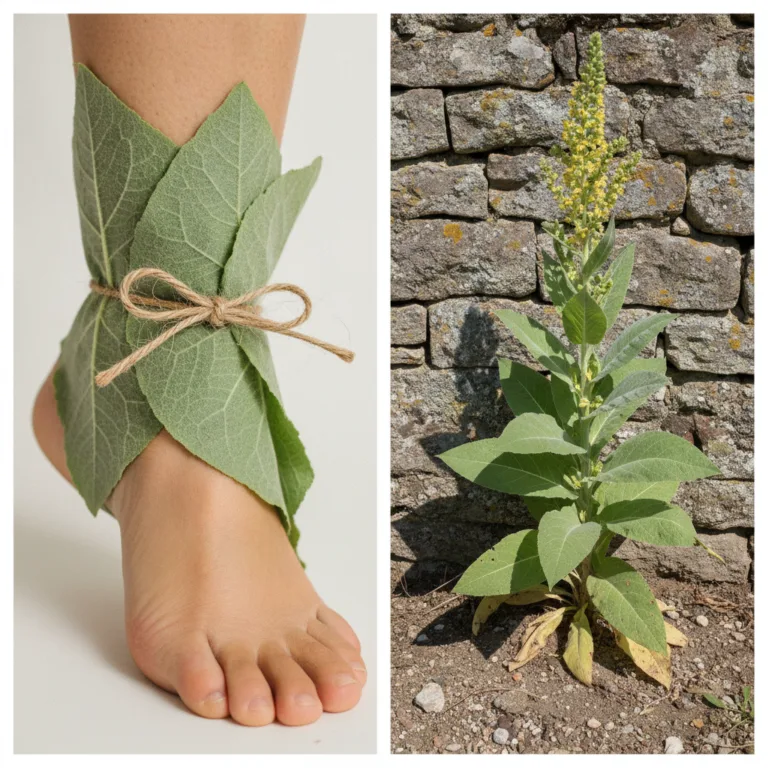
Before we delve into the intriguing world of Datura, it’s important to note the image accompanying this article. It beautifully illustrates Mullein (Verbascum thapsus), a different plant entirely, recognized for its own distinct traditional uses, often for respiratory support, and historically prepared in various gentle ways. This contrast highlights the vast diversity within the plant kingdom, where each botanical offers its unique properties and demands a different level of understanding and respect. Our journey today, however, focuses on Datura, a plant whose potent nature calls for extreme caution and reverence, historically used in highly controlled, ritualistic settings rather than as a casual home remedy.
Ingredients (A Glimpse into Traditional Applications)
When we speak of Datura, the term ‘ingredients’ takes on a historical rather than a practical, modern culinary or medicinal sense. Historically, various parts of the Datura plant were utilized in ceremonial and ritualistic contexts, each containing powerful compounds. These included:
- Leaves: Dried and sometimes smoked, or incorporated into poultices.
- Flowers: Often used for their aesthetic and symbolic value in rituals.
- Seeds: Known to contain the highest concentration of its potent compounds, making them the most carefully handled and, often, the most dangerous part of the plant.
It is crucial to understand that these ‘ingredients’ were never handled casually, nor were precise, safe measurements for general consumption widely documented for home use. Any traditional application involved deep knowledge and extreme discretion.
How to Prepare (Historical and Ceremonial Contexts)
The preparation of Datura in traditional societies was not a simple kitchen task. It was a complex, often ritualized process, typically undertaken by shamans, healers, or spiritual leaders who possessed generations of inherited wisdom and a profound understanding of the plant’s properties and potential effects. Rather than a step-by-step recipe, these ‘preparations’ were:
- Infusions or Decoctions: Created from specific plant parts, though dosages were meticulously controlled and often varied greatly depending on the intended ceremonial purpose and the individual.
- Poultices or Topical Applications: Used externally, sometimes for ritualistic anointing, though even external contact with concentrated forms of Datura requires considerable care.
- Fumigation or Smoking: In some traditions, dried leaves were smoked or burned to produce smoke, believed to induce visionary states.
The ‘brewing/boiling/infusing time’ for these preparations was not merely a matter of extraction but often interwoven with spiritual timing and intention, reflecting the plant’s sacred status. It cannot be overstressed that these methods were employed under highly specific conditions and rarely for general well-being due to Datura’s intense nature.
How to Use + Best Time to Take (Understanding Ancient Practices)
Datura was historically used not for conventional healing, but primarily for its profound psychoactive properties. Its applications were deeply embedded in spiritual practices, divination, and rites of passage within certain indigenous cultures. This means its ‘use’ was:
- Ritualistic Journeys: Often consumed to induce altered states of consciousness, facilitate visions, or connect with the spirit world, always under the direct supervision of an experienced guide.
- Spiritual Anointing: Applied topically in some ceremonial contexts, again with extreme care due to its potent compounds.
There was no ‘best time to take’ in the sense of a daily supplement. Its application was dictated by the specific timing of ceremonies, often during significant celestial events or at night, aligning with its moonflower moniker and its ability to open perception to unseen realms.
Why It Works (Science Insight and Lore)
Datura’s profound effects stem from a group of naturally occurring compounds known as tropane alkaloids, including atropine, scopolamine, and hyoscyamine. These potent compounds interact with the nervous system, leading to anticholinergic effects that can result in hallucinations, altered perceptions, and a blurring of the lines between reality and dream.
In traditional lore, this