Most people associate a good night’s sleep with winding down in the evening, but what if there was a simple, ancient remedy that could gently guide your body there? Valerian root, often overlooked in the bustling world of modern wellness, holds a fascinating history as a natural aid for restlessness and sleeplessness. This isn’t about a quick fix, but understanding a traditional herb that many rely on for its calming properties.
One small preparation mistake can ruin the whole batch, affecting both its potency and taste. This guide will walk you through everything you need to know to properly use Valerian root, from selecting the best quality to preparing it for maximum benefit.
 Valerian root in its dried form, ready for preparation.
What is Valerian Root?
Valerian (Valeriana officinalis) is a perennial flowering plant native to Europe and Asia, now also cultivated in North America. While the plant produces delicate pink or white flowers, it’s the root that has been used for centuries in traditional practices. The root contains various compounds, including valerenic acid and iridoids, which are believed to contribute to its calming effects on the nervous system. Unlike some stronger sedatives, Valerian root is often favored for its gentle action, making it a popular choice for those seeking a natural approach to promote relaxation and restful sleep.
It’s crucial to understand that while its use dates back to ancient Greece and Rome, modern applications are based on traditional knowledge and ongoing research. It’s not a magical cure, but a supportive herb that works best when integrated mindfully into a healthy routine.
Ingredients for Valerian Root Tea
Preparing Valerian root tea is one of the most common and effective ways to experience its benefits. The simplicity of the ingredients belies the potential impact.
- Dried Valerian Root: 1-2 teaspoons, either cut and sifted or finely powdered.
- Water: 1 cup (approximately 240ml), preferably filtered.
- Optional additions: Honey or maple syrup (for taste), a slice of lemon, or other calming herbs like chamomile or peppermint to improve flavor and enhance relaxation.
Quick Tip
Always source your Valerian root from reputable suppliers to ensure it’s free from pesticides and contaminants. Organic is often the best choice for medicinal herbs.
Approximate Measurements
Getting the measurements right is key to an effective, yet palatable, Valerian root tea. Too much can lead to an overpowering taste and unwanted drowsiness, while too little might not provide the desired effect.
- Standard Dose: 1 teaspoon of dried Valerian root per cup of water.
- Stronger Dose: Up to 2 teaspoons of dried Valerian root per cup of water, but start with less to assess your tolerance.
- Liquid Extract/Tincture: Follow product-specific instructions, typically 30-60 drops (1-2ml) in water, 30 minutes before sleep.
Formula / Recipe: Valerian Root Tea
Making a good cup of Valerian tea is more about patience than complexity. The key is in the steeping method.
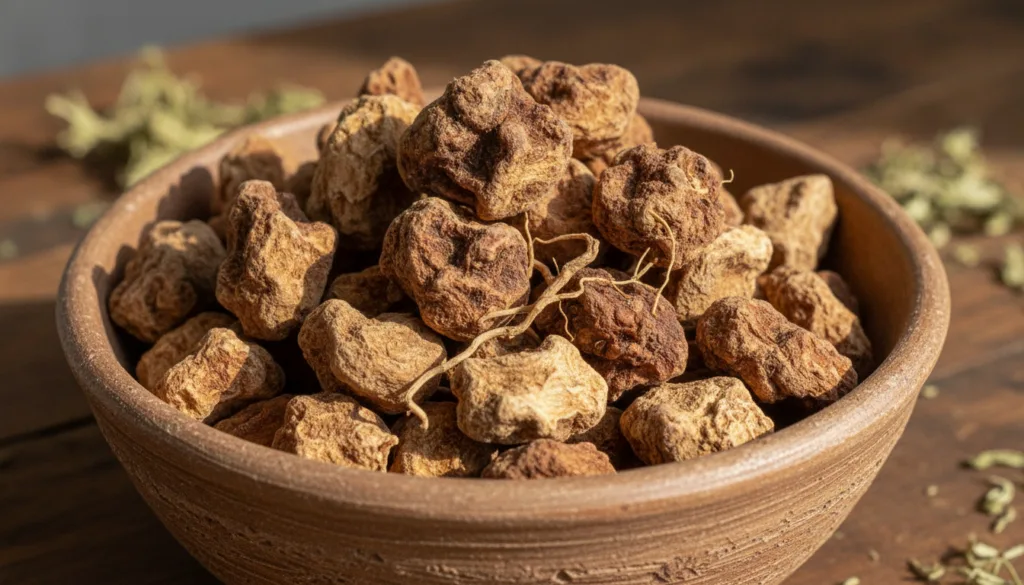 Ensure your Valerian root is properly dried and cut for optimal tea brewing.
Step-by-Step Method
- Measure the Root: Place 1-2 teaspoons of dried Valerian root into a tea infuser, muslin bag, or directly into your mug.
- Heat the Water: Bring 1 cup of filtered water to a boil.
- Pour and Steep: Pour the hot water over the Valerian root. This is the part most people skip or rush – let it steep for a full 10-15 minutes. Valerian requires longer steeping than many other herbal teas to fully extract its beneficial compounds.
- Strain (if needed): If you added the root directly to the mug, strain it using a fine-mesh sieve.
- Sweeten and Flavor (Optional): Add honey, lemon, or other herbs to improve the earthy, sometimes pungent, taste of Valerian.
- Serve: Drink warm.
How to Use Valerian Root
The primary use for Valerian root is to promote relaxation and improve sleep quality. It can be used in several forms:
- Tea: The most traditional method, consumed hot before bedtime.
- Tincture/Liquid Extract: A concentrated form that can be added to water or juice. This offers precise dosing and convenience.
- Capsules/Tablets: Pre-measured doses, ideal for those who dislike the taste of Valerian tea or prefer a standardized amount.
For sleep, it’s typically taken 30 minutes to 2 hours before bed. For general relaxation during the day, smaller doses may be used, but be mindful of potential drowsiness.
How Often to Use
Valerian root is generally recommended for short-term use, typically for 2-4 weeks, to address acute periods of sleeplessness or anxiety. Some individuals may use it occasionally as needed. Consistent daily use should be discussed with a healthcare professional, especially if symptoms persist.
It’s not usually recommended for immediate effects. Consistent use over a few days may be required for some individuals to experience its full benefits. Discontinue use gradually, especially after extended periods, as some people report mild withdrawal symptoms like increased restlessness if stopped abruptly.
How to Buy / How to Choose Ingredients
The quality of your Valerian root directly impacts its effectiveness. Here’s what to look for:
- Reputable Suppliers: Purchase from trusted herbal stores, health food shops, or online retailers known for quality control.
- Organic Certification: Opt for organic Valerian root to avoid pesticides and herbicides.
- Form: Dried cut root is best for teas, while powdered root is suitable for capsules. Tinctures should be in dark glass bottles to protect potency.
- Appearance & Smell: Dried root should have an earthy, somewhat pungent smell (it’s distinctive!). Avoid anything that smells moldy or has discoloration.
Fresh vs. Dried Valerian Root
FeatureFresh Valerian RootDried Valerian RootAvailabilityRarely available commercially; typically from home gardens.Widely available in herbal shops, online.PreparationRequires washing, chopping, and specific processing (e.g., tinctures, infused oils).Ready to use for teas, tinctures, capsules.PotencyPotentially higher in some compounds, but unstable.Stable, well-researched for medicinal properties.StorageVery short shelf life, must be used quickly or processed.Long shelf life if stored correctly.Ease of UseHigh effort, best for experienced herbalists.Low effort, beginner-friendly for tea or capsules.
Storage
Proper storage ensures the longevity and potency of your Valerian root products.
- Dried Root: Store in an airtight container (glass jars are ideal) in a cool, dark, dry place. Keep away from direct sunlight, heat, and humidity. It can last for 1-2 years.
- Tea: Prepare fresh for each use. If you brew a larger batch, store in the refrigerator for no more than 24 hours.
- Tinctures: Keep in their original dark glass bottles, tightly capped, in a cool, dark place. Most tinctures have a shelf life of 3-5 years.
- Capsules: Store in their original packaging, away from heat and moisture, following the manufacturer’s recommendations.
Practical Tips
- Start Small: Begin with the lowest recommended dose to see how your body reacts. You can gradually increase it if needed.
- Mask the Taste: Valerian root has a distinct, strong odor and earthy taste that some find unpleasant. Adding honey, lemon, ginger, or blending it with other pleasant-tasting herbs like peppermint or chamomile can help.
- Consistency Matters: For some, the effects of Valerian build over a few days rather than being immediate. Don’t expect instant results on the first try.
- Bedtime Ritual: Incorporate Valerian tea into a relaxing bedtime routine, such as a warm bath or reading, to enhance its effects.
Common Mistakes
Even with a natural remedy, mistakes can reduce effectiveness or lead to undesirable experiences.
- Boiling the Root: Boiling Valerian root can degrade some of its delicate compounds. Always use hot, not boiling, water, or steep, rather than simmer.
- Not Steeping Long Enough: A quick dunk isn’t enough. Valerian root needs a good 10-15 minutes to release its beneficial constituents.
- Overdosing: Taking too much Valerian can sometimes lead to paradoxical effects like restlessness, headaches, or even vivid dreams, rather than more profound relaxation. Stick to recommended doses.
- Expecting Immediate Results: Valerian is not a pharmaceutical sleeping pill. It works subtly and may take time or consistent use to show full benefits.
- Ignoring Quality: Using old, poorly stored, or unknown-source Valerian root can result in a less potent or ineffective product.
- Using Incorrect Plant Part: Always ensure you are using the root of Valeriana officinalis, not other parts of the plant or a different species entirely.
Cautions / Who Should Avoid It
While generally considered safe for most adults in recommended doses, Valerian root is not for everyone.
- Pregnancy and Breastfeeding: There is insufficient research on its safety during pregnancy or breastfeeding. It is best to avoid use.
- Children: Not recommended for children without professional medical advice.
- Surgery: Discontinue Valerian root at least two weeks before any scheduled surgery due to its potential to interact with anesthetics.
- Medication Interactions: Valerian can interact with certain medications, including sedatives, antidepressants, anticonvulsants, and alcohol. Always consult your doctor or pharmacist if you are taking any prescription medications.
- Liver Conditions: Individuals with liver disease should use Valerian with caution and under medical supervision.
- Driving/Operating Machinery: Valerian can cause drowsiness. Do not drive or operate heavy machinery after taking it until you know how it affects you.
Quick Summary
- Best Preparation: Tea (steeped 10-15 min) or standardized capsules/tinctures.
- Best Use-Case: Promoting relaxation and improving sleep quality, especially during periods of mild anxiety or insomnia.
- Storage: Dried root in airtight containers in a cool, dark place; tinctures/capsules according to manufacturer’s instructions.
- When to Use: 30 minutes to 2 hours before bedtime.
- What to Avoid: Boiling the root, inadequate steeping, excessive doses, use with certain medications, during pregnancy/breastfeeding.
FAQ
- Can I use fresh or dried Valerian root? Dried Valerian root is most commonly used for teas and tinctures due to its stability and availability. Fresh root can be used for tinctures by experienced herbalists but has a very short shelf life.
- How long does Valerian root tea last? Valerian root tea is best consumed immediately after brewing. Any leftover tea can be refrigerated for up to 24 hours but may lose some potency.
- Does Valerian root make you sleepy immediately? Not for everyone. Its effects are often subtle and may take time to manifest, sometimes requiring consistent use over a few days.
- Why does Valerian root smell so strong? The distinctive, earthy, and sometimes pungent smell comes from the volatile compounds within the root, particularly valerenic acid, which contribute to its therapeutic effects.
- Can I mix Valerian with other herbs? Yes, Valerian root is often combined with other calming herbs like chamomile, lemon balm, or passionflower to enhance its effects and improve the taste.
- Is Valerian root addictive? Valerian is not considered addictive in the same way as prescription sedatives, but some users report mild withdrawal-like symptoms (e.g., increased restlessness) if they stop abruptly after prolonged, heavy use.
- What part of the Valerian plant is used? Primarily the root and rhizomes (underground stems) are used for medicinal purposes.
- When should I avoid Valerian root? Avoid if pregnant, breastfeeding, operating heavy machinery, or taking sedatives, antidepressants, or other interacting medications without consulting a healthcare provider.
Conclusion
Valerian root offers a time-honored, gentle approach to easing the mind and preparing the body for rest. By understanding its proper preparation, usage, and important considerations, you can harness the potential of this ancient herb effectively. Remember, mindful use and a holistic approach to wellness often yield the best results. If you’re struggling with persistent sleep issues or anxiety, always consult with a healthcare professional to ensure Valerian root is the right choice for you.