Most people ignore the shadows lurking behind beauty. The Datura, often enchanting with its large, trumpet-shaped flowers that bloom under the moonlight, holds a past far more complex and dangerous than its delicate appearance suggests. While cherished in some cultures for spiritual rituals and historically noted in remedies, this plant is a potent reminder that not all natural beauty is benign. This guide unpacks Datura’s captivating history, its role in ancient traditions, and why its use as a home remedy is a mistake with serious consequences.
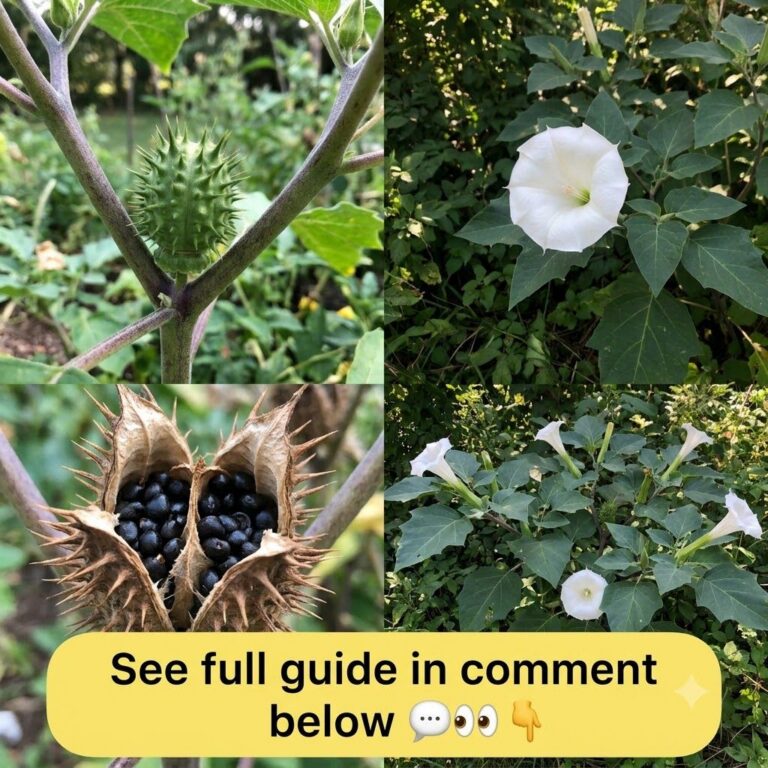
What is Datura? The Moonflower’s Dual Nature
Datura, commonly known as Moonflower, Thorn Apple, or Jimsonweed, belongs to the Solanaceae family, which also includes nightshades, tomatoes, and potatoes. It’s renowned for its striking, often fragrant, white or purple trumpet-shaped flowers that typically open at dusk, earning it the ‘Moonflower’ moniker. However, beneath this nocturnal charm lies a plant teeming with powerful tropane alkaloids such as scopolamine, hyoscyamine, and atropine. These compounds are extremely toxic and have profound effects on the central nervous system, making Datura a plant of both historical intrigue and extreme caution.
Historically Referenced Plant Parts
In various ancient traditions, nearly every part of the Datura plant – the leaves, flowers, seeds, and roots – was noted for its purported effects. Historically, the seeds were considered the most potent due to their concentrated alkaloid content, followed by the leaves and flowers. These parts were never