Most people see Datura’s magnificent trumpet-shaped flowers and spiky seed pods and are immediately captivated by their beauty. What they often don’t realize is that beneath this striking appearance lies a history steeped in potent traditional lore – and extreme danger. Known by many names, including Jimsonweed, devil’s trumpet, and thorn apple, Datura is a plant that demands respect, not casual interaction. Its presence in ancient cultures was profound, often associated with spiritual rituals, healing practices, and sometimes, profound peril. Understanding this plant means delving into both its historical significance and its powerful, often deadly, chemical composition. Ignoring its inherent toxicity is a common mistake that can have severe consequences, making it crucial to learn how to identify it, appreciate its historical context, and, most importantly, understand why it is not a plant for casual DIY remedies.
What is Datura: A Plant of Paradox
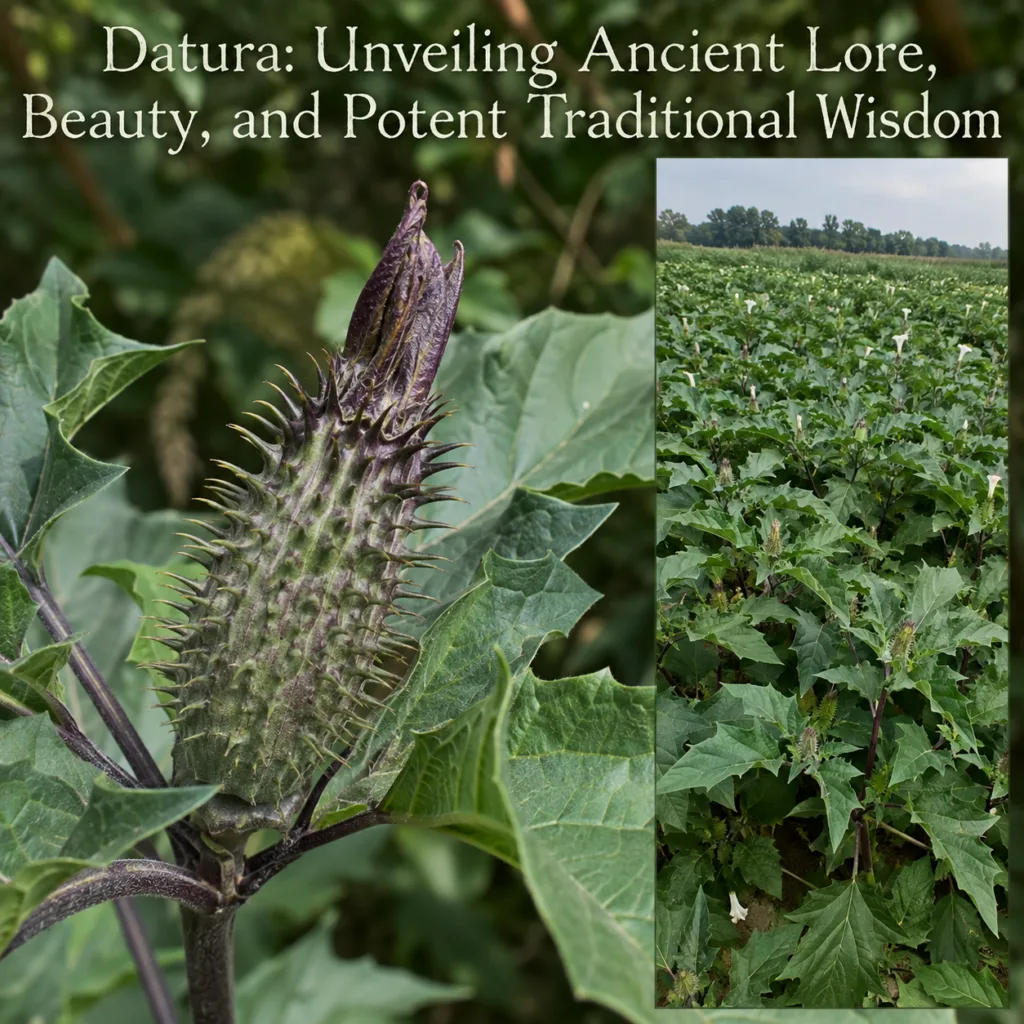
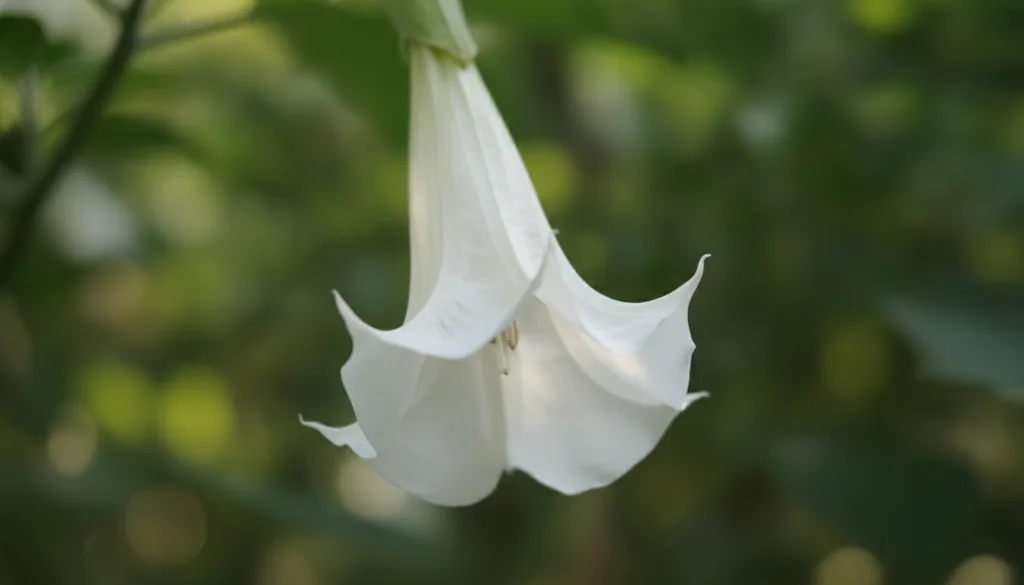
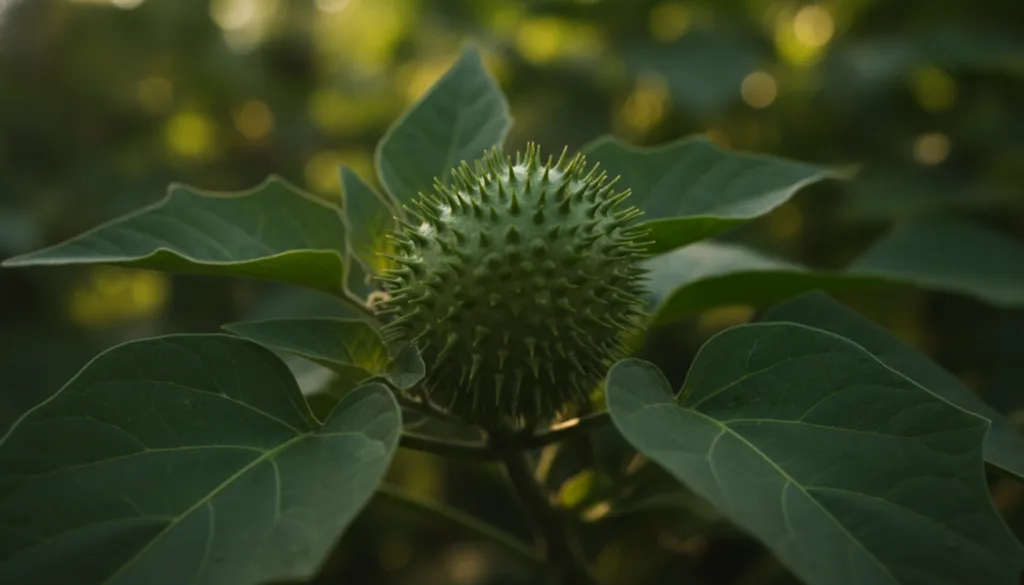
Datura refers to a genus of flowering plants in the nightshade family, Solanaceae. These plants are characterized by their large, showy, trumpet-shaped flowers, which can be white, yellow, pink, or purple, and their spiky seed pods. They typically grow as annuals, thriving in disturbed soils, roadsides, and agricultural fields across temperate and tropical regions. Datura species are known for their rapid growth and robust nature. Botanically, all parts of the Datura plant – leaves, stems, flowers, seeds, and roots – contain highly toxic tropane alkaloids, including scopolamine, atropine, and hyoscyamine. These compounds are responsible for both the plant’s traditional medicinal and hallucinogenic uses, as well as its extreme danger to humans and animals.
A Legacy of Lore and Risk in Traditional Uses
For centuries, Datura has played a significant role in various traditional cultures worldwide, particularly in indigenous healing, spiritual ceremonies, and shamanic practices. Its potent compounds were believed to induce altered states of consciousness, allowing for divination, spiritual journeys, and connection with ancestral spirits. In some traditions, Datura was used externally in poultices or liniments to treat pain, inflammation, and respiratory issues like asthma, leveraging its antispasmodic properties. However, these applications were always undertaken with extreme caution, often by experienced shamans or healers who understood the plant’s delicate balance of therapeutic potential and lethal toxicity. The line between a ‘remedy’ and a poison was incredibly fine, requiring precise dosages and extensive knowledge. The common understanding of Datura in these contexts was not one of a simple herb, but a powerful entity that demanded reverence and rigorous control.
Did You Know? The genus name ‘Datura’ is derived from the Sanskrit ‘dhatūra’, which refers to a sacred Hindu plant often associated with the god Shiva, highlighting its ancient spiritual significance.
The Powerful Compounds: Why Datura Commands Caution
The potent effects of Datura stem from its concentration of tropane alkaloids, primarily scopolamine, atropine, and hyoscyamine. These compounds are anticholinergic, meaning they block the action of acetylcholine, a neurotransmitter in the nervous system. In small, controlled doses (under strict medical supervision), these alkaloids can have therapeutic effects, such as relaxing smooth muscles, dilating pupils, and reducing secretions. Historically, they were used as sedatives, analgesics, and antispasmodics. However, in uncontrolled or even slightly elevated doses, these same compounds lead to a dangerous condition known as anticholinergic syndrome. Symptoms include severe hallucinations, delirium, extreme agitation, rapid heartbeat, hyperthermia, dilated pupils leading to blurred vision, dry mouth, difficulty urinating, and potentially convulsions, coma, and death. This is why Datura is not considered safe for self-medication under any circumstances.
Traditional Preparations (Historical Context Only)
Descriptions of Datura preparations are for educational purposes only, illustrating historical practices. They are NOT recommendations for self-preparation or use. Traditional healers might have used various parts of the plant, often dried and powdered, or infused into oils for external application. The goal was to harness specific properties while attempting to mitigate the extreme toxicity.
Approximate Historical Measurements (Not for DIY)
Historically, dosages were incredibly precise and often varied based on the individual, the plant’s potency (which can differ based on growing conditions), and the specific traditional purpose. No modern, safe measurements exist for home use. Any historical ‘measurement’ would involve tiny fractions of plant material, often weighed with extreme care, and only administered by skilled practitioners. For instance, an ‘infusion’ for topical use might have involved a very small amount of dried leaf material infused in a large volume of carrier oil, left for an extended period, then strained rigorously, with only a fraction of the resulting oil applied externally. The critical takeaway is that precise, safe measurements for personal use are not feasible due to Datura’s inherent danger and variability.
Historical Preparation Method (For Education)
One common historical method involved drying Datura leaves and sometimes seeds, then grinding them into a fine powder. This powder might be mixed with fats or oils to create topical salves or poultices. Another method involved burning dried leaves in controlled rituals, where the smoke was inhaled for its hallucinogenic effects, always under the strict guidance of a shaman. In certain applications, the plant material might have been infused in alcohol or water. The key across all these methods was the stringent control over the amount used and the careful observation of effects, which modern DIY practitioners cannot replicate safely.
How to Use and How Often to Use: Critical Warnings
Let’s be unequivocal: modern self-application of Datura is strongly advised against. There is no safe method for individuals to use Datura as a home remedy. Its extreme toxicity means even external application carries significant risks of absorption and systemic poisoning. Historically, when used externally, it was for specific, severe conditions like intense pain or muscle spasms, applied sparingly and for very short durations. Internal use was strictly limited to ceremonial contexts under spiritual leaders. For the average person, the answer to ‘how to use’ and ‘how often to use’ Datura is simple: do not use it. Any advice found online suggesting internal or uncontrolled external use is dangerous and should be disregarded.
Here’s the part most people skip: The perceived ‘benefits’ from traditional uses are vastly outweighed by the modern understanding of its severe health risks. The dosage between ‘effective’ and ‘toxic’ is too narrow for safe experimentation.
Identifying and Sourcing Datura
Identifying Datura is crucial for avoidance. Look for its large, trumpet-shaped flowers and distinctive spiky seed pods. The leaves are typically large, coarsely toothed, and dark green. Datura often grows in disturbed soils, roadsides, waste areas, and even gardens. It can sometimes be confused with other plants, adding to the danger of accidental exposure. Sourcing Datura, whether by wildcrafting or cultivation, should be approached with extreme caution. It’s illegal to cultivate in some regions due to its hallucinogenic properties. If you encounter it, admire it from a distance and never handle it without protective gloves. Never consume any part of the plant.
Quick Tip
Always assume all parts of the Datura plant are highly toxic and handle with extreme care, or better yet, avoid touching it altogether.
Storage (If Handling Dried Material for Study)
If, for academic or strictly observational purposes, you come into possession of dried Datura plant material, proper storage is paramount to prevent accidental exposure. Store it in a clearly labeled, airtight container, well out of reach of children, pets, and anyone unfamiliar with its dangers. Keep it separate from any food items, herbs, or other substances that might be mistakenly ingested. Ensure the storage location is secure and inaccessible to prevent any unintended contact. Always handle dried material with gloves to avoid skin absorption of alkaloids, which can occur through touch.
Practical Tips for Respecting Datura
- Learn to Identify: Familiarize yourself with Datura’s appearance to avoid accidental contact or ingestion.
- Never Ingest: Reiterate this: no part of the Datura plant should ever be ingested.
- Handle with Care: If you must handle the plant (e.g., for removal from a garden), wear gloves and protective eyewear.
- Keep Away from Vulnerable Populations: Ensure children, pets, and individuals with cognitive impairments cannot access the plant.
- Educate Others: Share knowledge about Datura’s dangers with those in your community.
- Consult Local Regulations: Be aware of any laws regarding the cultivation or possession of Datura in your area.
Common Mistakes with Datura
- Misidentification: Confusing Datura with other non-toxic plants, leading to accidental ingestion.
- Underestimating Toxicity: Believing that small doses are safe or that external application is harmless.
- Self-Experimentation: Attempting to use Datura for psychoactive effects or self-medication without expert supervision, which is incredibly dangerous.
- Inadequate Protection: Handling the plant without gloves, leading to skin absorption of alkaloids.
- Improper Storage: Leaving plant material accessible to children or pets.
- Boiling or Brewing: Attempting to make teas or infusions for internal consumption, which concentrates the toxins.
Crucial Cautions: Why You Must Avoid Self-Medication
Datura is one of the most toxic plants, and its ingestion, even in small amounts, can lead to severe poisoning, requiring immediate medical attention. Who should avoid it? Practically everyone should avoid self-medicating with Datura. Individuals with pre-existing heart conditions, glaucoma, prostate enlargement, or those taking anticholinergic medications are particularly vulnerable to its effects. Pregnant or breastfeeding women, children, and the elderly are also at significantly higher risk. The hallucinogenic properties can induce terrifying experiences and lead to self-harm or accidents. If you or someone you know has ingested Datura, seek emergency medical help immediately. Do not wait for symptoms to appear.
Quick Summary: Datura – A Powerful Lesson in Caution
| Aspect | Key Takeaway |
|---|---|
| Best Preparation | Not for modern DIY use; historical uses were highly specialized and dangerous. |
| Best Use-Case | Historical/spiritual context only; modern use strictly discouraged due to extreme toxicity. |
| Storage (if observing) | Secure, airtight, labeled container, far from children/pets/food. |
| When to ‘Use’ | Never for self-medication; approach with extreme caution for educational observation. |
| What to Avoid | Ingestion, skin contact without gloves, self-experimentation, confusion with other plants. |
FAQ About Datura
- Is Datura legal to grow?
The legality of growing Datura varies by region. In some places, it’s considered an ornamental plant; in others, its cultivation might be restricted due to its hallucinogenic properties. Always check local laws. - Can I use Datura for pain relief or other medicinal purposes?
No. While historically used, Datura is far too toxic for safe self-medication. Modern medicine has safer and more effective alternatives. - What happens if I touch Datura?
Direct skin contact, especially with sap, can potentially lead to some absorption of alkaloids, causing localized effects or, in sensitive individuals, systemic effects. Always wear gloves. - Are all parts of the Datura plant toxic?
Yes, all parts of the Datura plant contain toxic tropane alkaloids, with seeds often having the highest concentration. - Can Datura be confused with other plants?
Yes, Datura can sometimes be mistaken for other plants, including some edible ones, especially in its early growth stages. Proper identification is crucial. - What are the signs of Datura poisoning?
Symptoms include dilated pupils, blurred vision, dry mouth, rapid heartbeat, fever, hallucinations, disorientation, agitation, and potentially convulsions, coma, and death. Immediate medical attention is essential. - Can Datura be fatal?
Yes, ingestion of Datura, even in relatively small amounts, can be fatal due to its potent neurotoxic effects.
Conclusion
Datura is undeniably a plant of captivating beauty and immense historical significance, deeply woven into the fabric of ancient traditions and spiritual practices. Yet, its allure is matched only by its profound danger. The wisdom gleaned from centuries of its use teaches us a powerful lesson in respect, precision, and extreme caution. While its past may whisper tales of healing and vision, its present reality is a stark warning against casual interaction or self-medication. Understanding Datura means acknowledging its potent power, recognizing its inherent risks, and choosing to admire it for its place in natural history rather than attempting to harness its perilous strength. In the realm of natural remedies, some plants are best understood from a distance, with Datura standing as a prime example of nature’s formidable duality.