When you slice into a juicy, ripe papaya, what’s the first thing you usually do? Most of us scoop out those shiny, black seeds and toss them without a second thought. But what if those humble seeds held a secret power, packed with benefits for your health and vitality?
For centuries, traditional wellness practices around the globe have recognized the hidden potential within papaya seeds. Today, we’re pulling back the curtain on this often-discarded treasure, inviting you to explore how these tiny powerhouses might just become a valuable addition to your natural wellness routine.
Why These Tiny Seeds Matter More Than You Think
In our journey toward natural wellness, we often seek out exotic superfoods or complex supplements. Yet, sometimes, the most profound benefits are found in unexpected places, right under our noses – or, in this case, inside our favorite fruits! Papaya seeds have gained significant attention recently among those who prefer natural approaches, and for good reason.
Many people are looking for simple, natural ways to support their digestion, boost their immune system, and generally feel more vibrant. The idea that a part of a fruit we typically discard could offer such advantages is both intriguing and incredibly appealing. There’s a growing appreciation for ‘nose-to-tail’ or ‘root-to-stem’ eating in the plant world, where every part of a food is considered for its potential nutritional value. Papaya seeds fit perfectly into this philosophy, offering a sustainable and accessible pathway to enhanced well-being.
The Hidden Gems: Understanding Papaya Seeds
Far from being mere filler, papaya seeds are a nutritional marvel. They possess a unique profile of compounds that contribute to their traditional uses and modern intrigue.
Nutritional Powerhouse
Papaya seeds are rich in:
- Digestive Enzymes: Like the fruit itself, the seeds contain enzymes such as papain, which can aid in breaking down proteins and supporting healthy digestion.
- Antioxidants: They are packed with powerful antioxidants, including polyphenols and flavonoids, which help combat oxidative stress in the body.
- Healthy Fats: The seeds contain beneficial monounsaturated fatty acids.
- Fiber: A good source of dietary fiber, important for digestive regularity and overall gut health.
- Micronutrients: They also offer essential vitamins and minerals in smaller quantities.
Traditional Wisdom Meets Modern Interest
Historically, various cultures have utilized papaya seeds for their purported health benefits. In some traditional medicine systems, they have been:
- Traditionally used for digestive support: Their enzymatic content was believed to aid in breaking down food and easing digestive discomfort.
- Thought to help with internal cleansing: Certain traditional practices used them as a natural way to support the body’s detoxification processes.
- Valued for their anti-inflammatory properties: Anecdotal evidence suggests they may help soothe inflammation.
Modern research is beginning to explore these traditional uses, with some preliminary studies suggesting that compounds in papaya seeds may indeed offer antioxidant, anti-inflammatory, and antimicrobial properties. It’s an exciting area where ancient wisdom and contemporary science are starting to connect.
Potential Benefits for Your Wellness Journey
While we always emphasize that natural remedies are not a substitute for professional medical advice, incorporating papaya seeds into a balanced lifestyle may support several aspects of your health:
- Digestive Harmony: The papain enzyme can be a friend to your digestive system, helping to break down tough proteins and potentially easing bloating and indigestion. Their fiber content also encourages regular bowel movements.
- Antioxidant Boost: By fighting free radicals, the antioxidants in papaya seeds may help protect your cells from damage, contributing to healthy aging and overall cellular well-being.
- Immune System Support: A body with less oxidative stress and a well-functioning digestive system is often better equipped to maintain a robust immune response.
- Natural Cleansing Support: The seeds are often discussed in the context of supporting liver health and natural detoxification pathways, aligning with traditional uses. While not a ‘detox’ in the modern commercial sense, they may contribute to the body’s natural processes.
Your Practical Guide to Using Papaya Seeds
Ready to try them? Here’s how you can easily incorporate these beneficial seeds into your diet.
Harvesting and Preparation
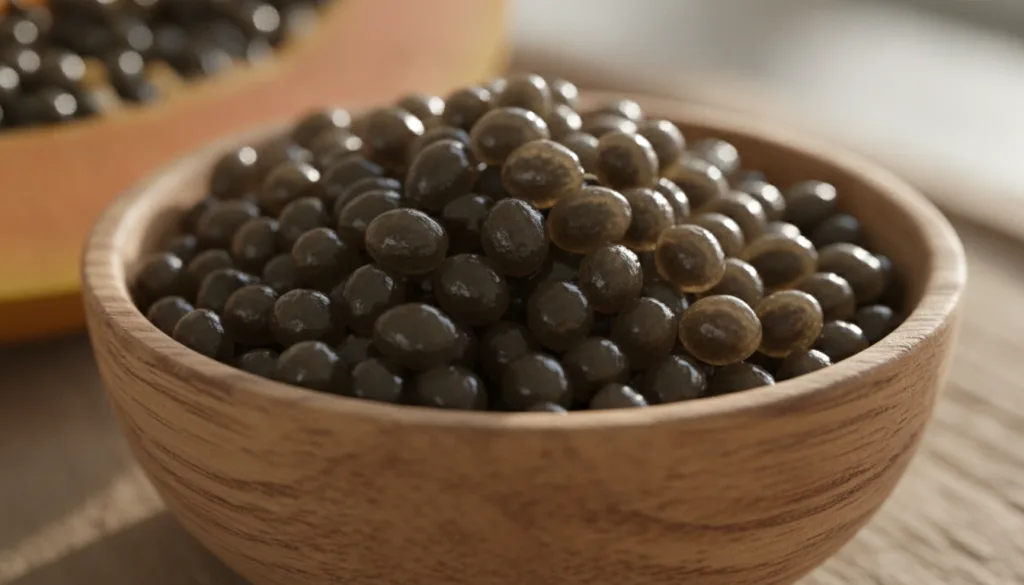
- Scoop Them Out: After enjoying the sweet flesh of your papaya, simply scoop out the seeds.
- Rinse Gently: Rinse them under cool water to remove any papaya pulp.
- Dry Them: You can use them fresh, or dry them for later use. Spread them on a baking sheet and air dry for a few days, or use a dehydrator on a low setting. Once completely dry, they can be ground.
Usage Ideas and Serving Suggestions
Fresh papaya seeds have a peppery, slightly bitter taste, often compared to watercress or mustard. Dried seeds are milder.
- Fresh in Smoothies: Add a small spoonful of fresh seeds to your morning smoothie for a subtle kick and a nutrient boost.
- Salad Dressing: Blend fresh seeds into a vinaigrette for a unique, peppery flavor that complements green salads beautifully.
- Marinades: Crush fresh seeds and add them to marinades for meat or plant-based proteins.
- Ground as a Spice: Once dried, you can grind the seeds into a powder using a spice grinder or mortar and pestle. Use this powder as a peppery seasoning for eggs, soups, stir-fries, or roasted vegetables. It makes a fantastic, natural black pepper substitute!
- In Yogurt or Oatmeal: Sprinkle a pinch of ground papaya seeds over your yogurt or oatmeal for added texture and a health kick.
Beginner Tip: Start with a very small amount, perhaps half a teaspoon of fresh seeds or a quarter teaspoon of ground seeds, and gradually increase if you enjoy the taste and your body responds well. Their flavor can be quite potent!
Storage
Store fresh seeds in an airtight container in the refrigerator for a few days. Dried and ground seeds should be kept in an airtight jar in a cool, dark place to maintain their potency and flavor for several months.
Safety & Precautions: Listen to Your Body
While natural, papaya seeds are potent. It’s always wise to approach new foods with caution, especially when they have active compounds.
- Consult Your Healthcare Professional: If you are pregnant, breastfeeding, have any existing medical conditions (such as liver issues, diabetes, or thyroid imbalances), or are taking medications, please consult with your doctor before incorporating papaya seeds into your diet regularly.
- Allergies: If you have an allergy to papaya fruit or latex, you might also react to the seeds. Start with a very small amount to test for any sensitivity.
- Dosage: As mentioned, start with small quantities. Large amounts of papaya seeds could potentially cause digestive upset due to their strong enzymatic action.
- Not a Cure: Papaya seeds are a complementary food, not a replacement for medical treatment or prescribed medications for any health condition.
Key Takeaways for Your Wellness Journey
- Papaya seeds are often overlooked but are rich in enzymes, antioxidants, and fiber.
- They have been traditionally used to support digestion and internal cleansing.
- Modern interest focuses on their potential antioxidant, anti-inflammatory, and antimicrobial properties.
- They can be used fresh or dried and ground as a peppery spice.
- Start with small amounts and consult a healthcare professional if you have health concerns or are on medication.
Frequently Asked Questions About Papaya Seeds
Do papaya seeds taste good?
Fresh papaya seeds have a strong, peppery, and slightly bitter taste, often compared to a cross between black pepper and mustard. When dried and ground, their flavor mellows, becoming more like a subtle, earthy pepper.
How much papaya seeds should I eat daily?
There’s no universally established dosage. Most recommendations suggest starting with a small amount, such as half a teaspoon of fresh seeds or a quarter teaspoon of ground seeds, and gradually increasing to about 1-2 teaspoons per day if tolerated well. It’s best to listen to your body.
Can papaya seeds help with fatty liver?
While papaya seeds are traditionally associated with liver support and contain beneficial compounds like antioxidants, there is no definitive scientific evidence to claim they can cure or directly treat fatty liver disease. They may contribute to overall liver health as part of a balanced diet, but they are not a substitute for medical advice or treatment for liver conditions. Always consult a healthcare professional for specific health concerns.
Are papaya seeds safe for everyone?
No. Pregnant or breastfeeding women, individuals with allergies to papaya or latex, and those on certain medications should exercise caution and consult a doctor before consuming papaya seeds. Starting with small amounts is always recommended.
Can I eat the seeds from any type of papaya?
Yes, the seeds from most common types of edible papayas (e.g., Hawaiian, Mexican) are generally considered safe to consume. Always ensure the fruit is ripe and the seeds are fresh and clean.
Related Reading You Might Enjoy
- The Power of Pineapple: Beyond the Sweet Taste
- Embracing Turmeric: Nature’s Golden Spice for Wellness
- Gut Health 101: Simple Steps for a Happier Digestive System
- Natural Ways to Boost Your Immune System Seasonally
- Anti-Inflammatory Foods to Add to Your Daily Meals