Tired of the endless battle against weeds in your garden beds? Imagine spending less time pulling unwanted invaders and more time enjoying the beauty and bounty of your plants. Many gardeners face the constant chore of weeding, which can be back-breaking and discouraging. The good news is, there’s a powerful, natural solution that can transform your garden into a low-maintenance paradise: groundcovers.
Groundcovers are more than just pretty plants; they are living mulch, forming a dense carpet that naturally suppresses weeds, retains soil moisture, and adds year-round visual interest. By understanding how to select, plant, and care for these horticultural heroes, you can reclaim your weekends and cultivate a thriving, beautiful garden with significantly less effort. Let’s explore how to integrate these remarkable plants into your landscape for easier, more enjoyable gardening.
The Groundcover Advantage: Nature’s Weed Control
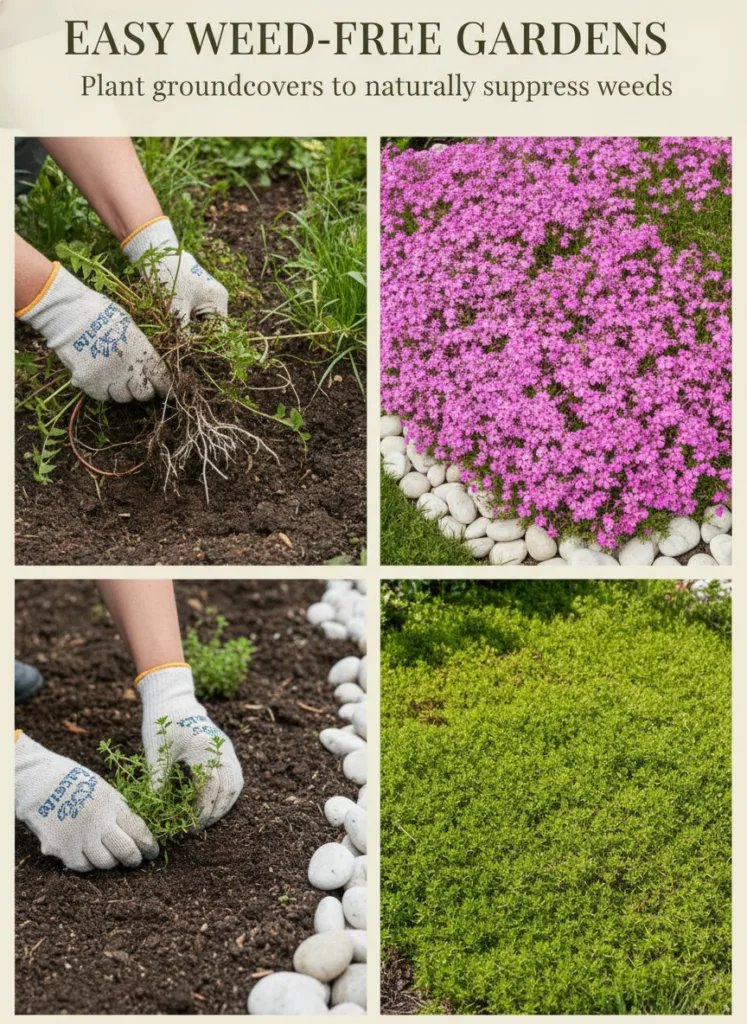
The core principle behind using groundcovers for weed control is simple: fill the space. Weeds thrive on bare soil, where they can easily access sunlight, water, and nutrients. By covering the soil with a dense mat of desirable plants, you effectively block sunlight from reaching weed seeds and outcompete any determined sprouts for resources. This living layer also helps regulate soil temperature, reduce erosion, and improve soil health over time by adding organic matter.
Beyond practical benefits, groundcovers add immense aesthetic value. They can soften hard edges, unify planting areas, cascade over retaining walls, and provide a lush backdrop or foreground for taller shrubs and trees. Many varieties offer beautiful flowers, interesting foliage textures, or even fragrant scents, making them a multi-functional asset in any garden design.
Key Groundcover Varieties for Weed Suppression
Choosing the right groundcover depends on your specific garden conditions, including sunlight, soil type, and climate. Here are a couple of excellent options, along with broader recommendations:
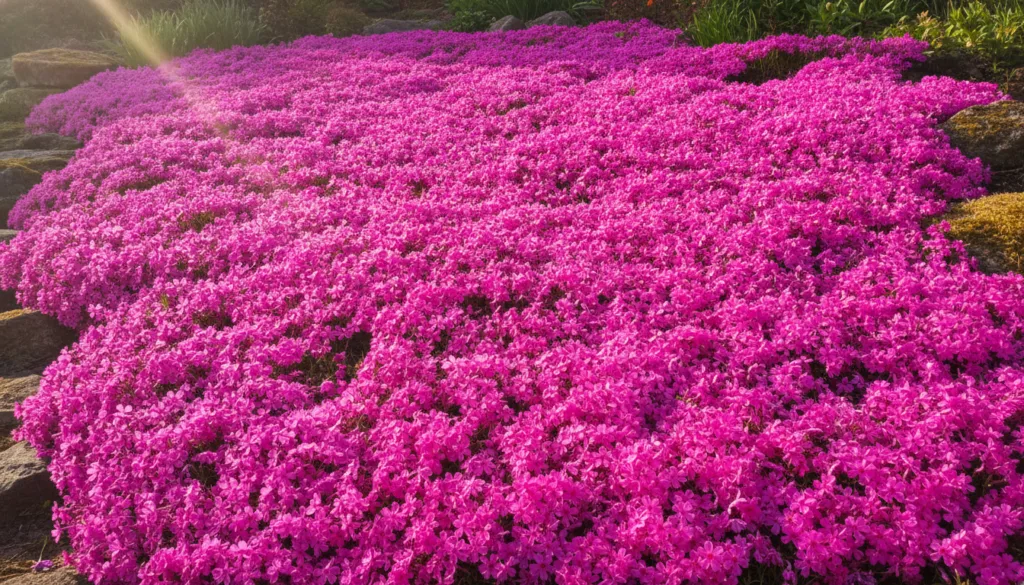
Creeping Phlox (Phlox subulata)
Creeping Phlox is a dazzling spring bloomer that creates a vibrant carpet of color. Its dense, mat-forming growth habit makes it an excellent weed suppressor, especially in sunny areas.
- Hardiness: USDA Zones 3-9
- Plant type: Perennial
- Exposure: Full sun (at least 6 hours direct sunlight)
- Height: 4-6 inches
- Spread: 1-2 feet, spreading slowly
- Growing Guide: Thrives in well-drained soil. Once established, it’s fairly drought-tolerant. Plant in spring or fall, spacing plants about 1 foot apart for a quick fill. After flowering, a light trim can encourage bushier growth and maintain a tidy appearance.
- Practical Tip: Plant on slopes or cascading over rocks where its vibrant blooms can truly shine and its spreading habit helps prevent erosion.
Creeping Thyme (Thymus serpyllum or Thymus praecox)
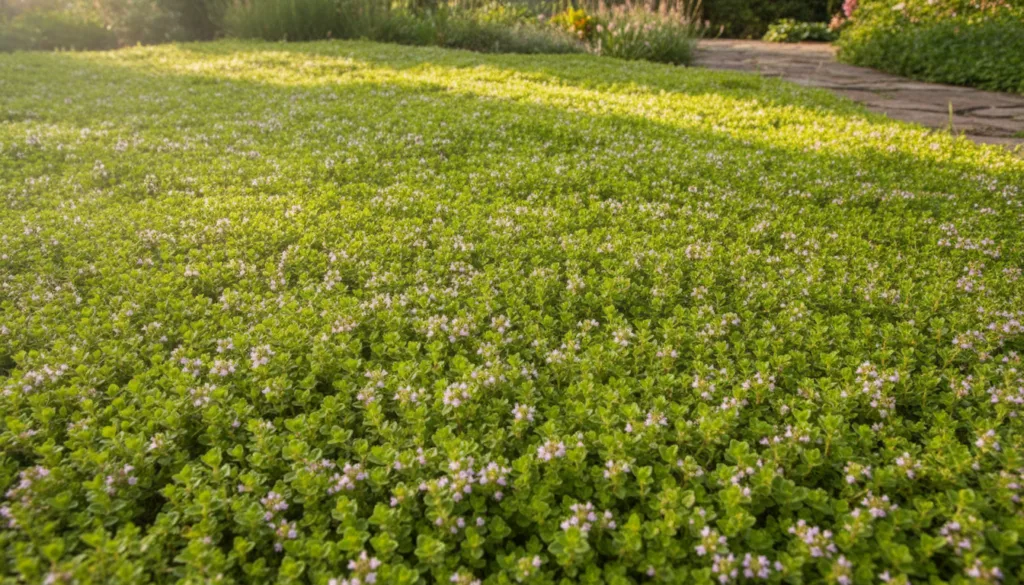
Creeping Thyme is a wonderfully fragrant and resilient groundcover, perfect for pathways, rock gardens, or filling in gaps between stepping stones. Its tiny leaves and delicate flowers form a tough, walkable mat.
- Hardiness: USDA Zones 4-9
- Plant type: Perennial herb/groundcover
- Exposure: Full sun
- Height: 2-6 inches
- Spread: 1-2 feet, spreading widely
- Growing Guide: Prefers lean, well-drained soil and tolerates some foot traffic. Plant in spring after the last frost, spacing plants 6-12 inches apart. It’s relatively low-maintenance, requiring little water once established. Shearing after flowering can keep it dense and tidy.
- Practical Tip: Use between pavers or along the edges of garden beds. When stepped on, it releases a delightful herbal aroma.
Other Effective Groundcovers
Beyond these examples, many other plants excel as groundcovers. Consider varieties like:
- Sedum (Stonecrop): Many low-growing varieties (e.g., ‘Dragon’s Blood’ or ‘Angelina’) offer succulent foliage and thrive in dry, sunny conditions. Zones 3-9.
- Pachysandra (Japanese Spurge): Excellent for shady areas, forming a dense, evergreen carpet. Zones 4-8.
- Vinca minor (Periwinkle): A vigorous evergreen vine with purple-blue flowers, ideal for shady spots. Can be invasive in some regions, so plant with caution. Zones 4-9.
- Irish Moss (Sagina subulata): Creates a soft, bright green carpet, perfect for fairy gardens or between stepping stones in cooler climates. Zones 4-7.
Planting Your Weed-Fighting Groundcovers
Successful establishment is key to groundcovers effectively suppressing weeds. Proper preparation and planting techniques will give your plants the best start.
Site Preparation
Before planting, clear the area thoroughly of all existing weeds, especially perennial ones with deep root systems. Digging or solarizing the bed (covering with clear plastic for several weeks in hot weather) can be effective. Amend heavy clay or sandy soils with organic matter like compost to improve drainage and fertility. Aim for a soil pH that suits your chosen groundcover; most prefer neutral to slightly acidic conditions (6.0-7.0).
Planting Techniques
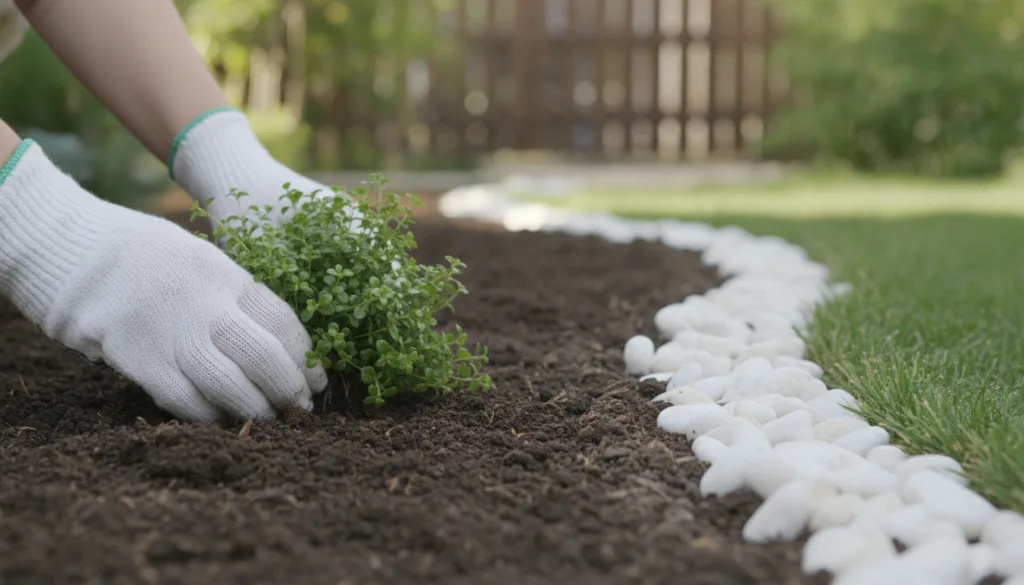
Dig a hole just deep enough so that the top of the plant’s root ball is level with the surrounding soil. Gently loosen any circling roots. Place the plant in the hole, backfill with soil, and lightly firm around the base. Water immediately to settle the soil and eliminate air pockets. For faster coverage, plant closer together, keeping in mind the mature spread of your chosen variety. For example, if a plant spreads 1 foot, space them 6-8 inches apart.
Watering and Establishment
Consistent watering is crucial during the first few weeks or months after planting, especially in warmer weather. Keep the soil evenly moist but not soggy to encourage deep root development. Once established, many groundcovers become more drought-tolerant, but check soil moisture regularly by feeling a few inches down. They might need supplemental water during prolonged dry spells.
Groundcover Care and Maintenance
While groundcovers reduce weeding, they still benefit from some care to keep them healthy and vigorous.
Long-Term Weed Management
Even with dense groundcovers, a few stubborn weeds might pop through, especially around the edges or in thinner patches. Hand-pull these promptly to prevent them from spreading. In the first year, be diligent about weeding to give your groundcovers a chance to fully establish and create their protective canopy. Applying a thin layer of fine mulch (like compost or pine needles) around newly planted groundcovers can offer an extra layer of weed suppression during this critical establishment phase.
Pruning for Vigor
Many groundcovers benefit from occasional pruning or shearing. This helps maintain a dense, compact form, prevents legginess, and can encourage more prolific flowering. For varieties like Creeping Phlox, a light trim after blooming can tidy up the plant. For others like Creeping Thyme, an annual shearing can rejuvenate growth. Always use clean, sharp pruners.
Common Groundcover Mistakes to Avoid
- Insufficient Site Preparation: Planting groundcovers into a bed full of existing perennial weeds is a recipe for failure. Spend the time to clear the area thoroughly first.
- Wrong Plant, Wrong Place: Matching the groundcover to your light, soil, and moisture conditions is paramount. A sun-lover in deep shade won’t thrive, leaving bare spots for weeds.
- Inadequate Initial Watering: Newly planted groundcovers need consistent moisture to establish their root systems. Don’t let them dry out during the first growing season.
- Planting Too Far Apart: While they will eventually spread, planting groundcovers too far apart means a longer period of bare soil, giving weeds more opportunity to establish themselves.
- Ignoring Aggressive Varieties: Some groundcovers, like certain types of Vinca, can be very vigorous. Understand their growth habit and choose wisely to avoid them outcompeting desirable plants.
Regional Considerations for Groundcovers
The success of your groundcovers will also depend on your specific climate and USDA Hardiness Zone:
- Zones 3-5 (Northern Climates): Focus on cold-hardy varieties like Creeping Phlox, Irish Moss, and some sedums. Ensure good winter drainage to prevent root rot from freezing and thawing cycles.
- Zones 6-8 (Temperate Climates): A wider range of options is available. Pay attention to summer heat and humidity, which can affect some varieties. Good air circulation helps prevent fungal issues.
- Zones 9-11 (Warm Climates): Many traditional groundcovers may struggle with intense summer heat. Look for heat-tolerant sedums, some thymes, or native groundcovers that are adapted to your region’s specific conditions. Ensure adequate irrigation during dry, hot periods.
Always check your local extension service for recommendations specific to your microclimate and soil conditions.
Cultivate a Healthier, Happier Garden
Embracing groundcovers is a smart, sustainable way to garden. By creating a living tapestry that blankets your soil, you not only reduce the need for constant weeding but also enhance your garden’s beauty and ecological health. Imagine enjoying your garden space more, with less back-breaking labor and more time for quiet observation and appreciation. Start small, observe how your chosen groundcovers perform, and soon you’ll be on your way to a more effortless and vibrant garden.
Ready to put down your weeding tools and pick up some groundcovers? Your garden, and your back, will thank you!