Many of us walk past it almost daily, dismissing it as just another common garden weed. Yet, this humble plant, known as plantain, holds an unexpected secret for maintaining urinary tract comfort and overall health. Most people ignore this versatile leafy green, never realizing its quiet power to support one of the body’s most crucial systems.
If you’ve ever felt that uncomfortable nagging sensation or simply want to support your urinary system naturally, you might be overlooking one of nature’s most accessible remedies. Plantain, particularly the common broadleaf or narrowleaf varieties, has a long history of traditional use, and its benefits extend far beyond a simple bandage for scrapes.
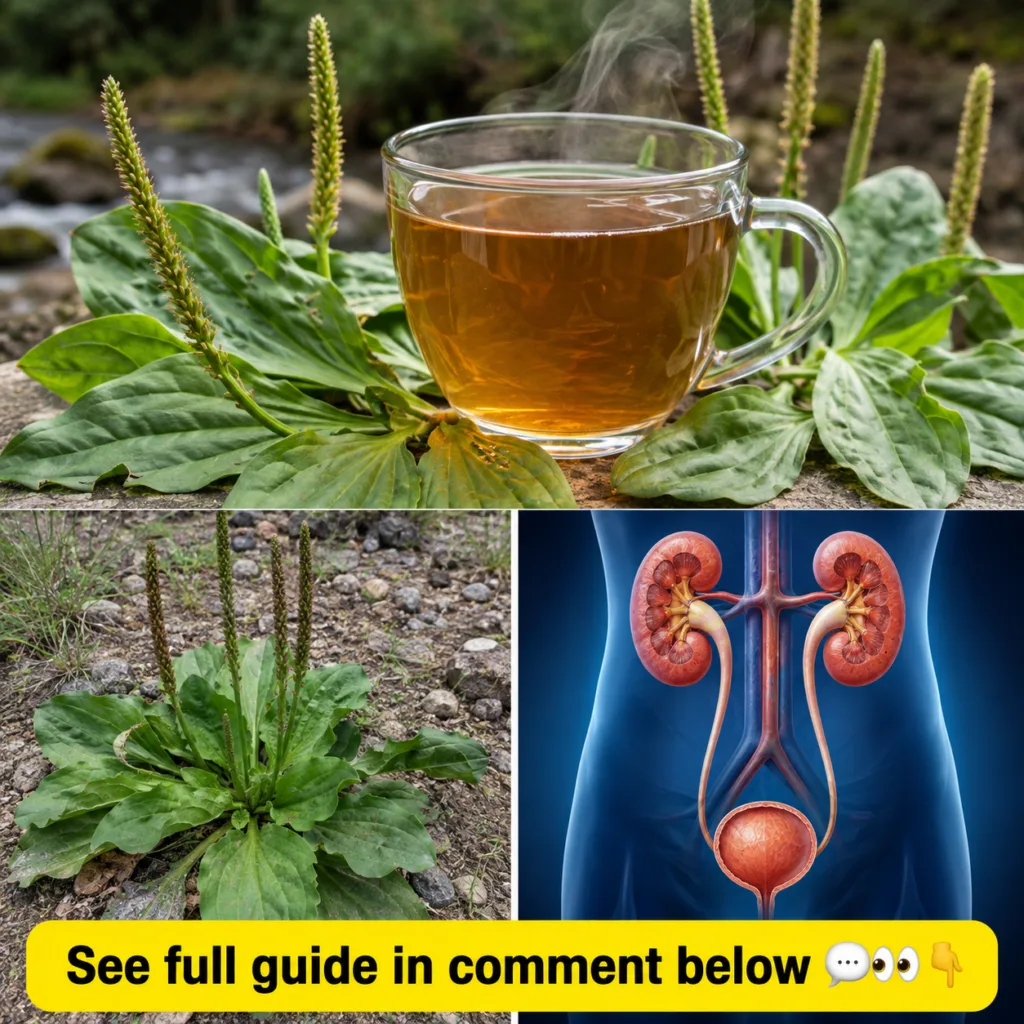
What is Plantain?
When we talk about plantain in this context, we’re referring to Plantago major (broadleaf plantain) or Plantago lanceolata (narrowleaf plantain), not the banana-like fruit. These are perennial herbaceous plants native to Europe and Asia but now found worldwide, thriving in disturbed soils like lawns, gardens, and roadsides. Often considered a nuisance, their leaves are actually packed with beneficial compounds.
For centuries, various cultures have utilized plantain for its soothing, anti-inflammatory, and diuretic properties. Its traditional uses range from wound healing to digestive support, and significantly, to helping maintain a healthy urinary tract. The beauty of plantain lies in its accessibility and the simplicity of turning its leaves into an effective, gentle remedy.
Ingredients for Plantain Urinary Support Tea
Creating a soothing plantain tea for urinary health requires just a few basic items, highlighting the simplicity of this natural approach.
- Plantain Leaves: Either fresh or dried.
- Water: Filtered water is always best.
Approximate Measurements
Getting the right concentration is key for effectiveness without being overwhelming.
- Dried Plantain Leaves: 1 to 2 teaspoons
- Fresh Plantain Leaves: 2 to 3 medium-sized leaves, thoroughly washed
- Hot Water: 1 cup (240 ml)
Formula / Recipe: Plantain Leaf Infusion
This simple infusion method extracts the beneficial compounds from the plantain leaves, creating a comforting tea.
- Gather your plantain leaves (fresh or dried).
- Prepare your water for heating.
- Combine the leaves and hot water.
- Steep for the recommended time.
- Strain and enjoy.
Quick Tip
Always source your plantain from areas free of pesticides, herbicides, and heavy foot traffic (like roadsides). Organic gardens or wild foraging in clean environments are ideal.
Step-by-Step Method
Follow these steps to prepare your soothing plantain tea:
- Harvest/Measure: If using fresh leaves, pick 2-3 healthy, green leaves. Wash them thoroughly under cool running water to remove any dirt or insects. If using dried, measure out 1-2 teaspoons. You can lightly tear or chop fresh leaves to expose more surface area.
- Heat Water: Bring 1 cup (240 ml) of filtered water to a boil.
- Combine: Place the fresh or dried plantain leaves in a mug or heat-safe container. Pour the hot water over the leaves.
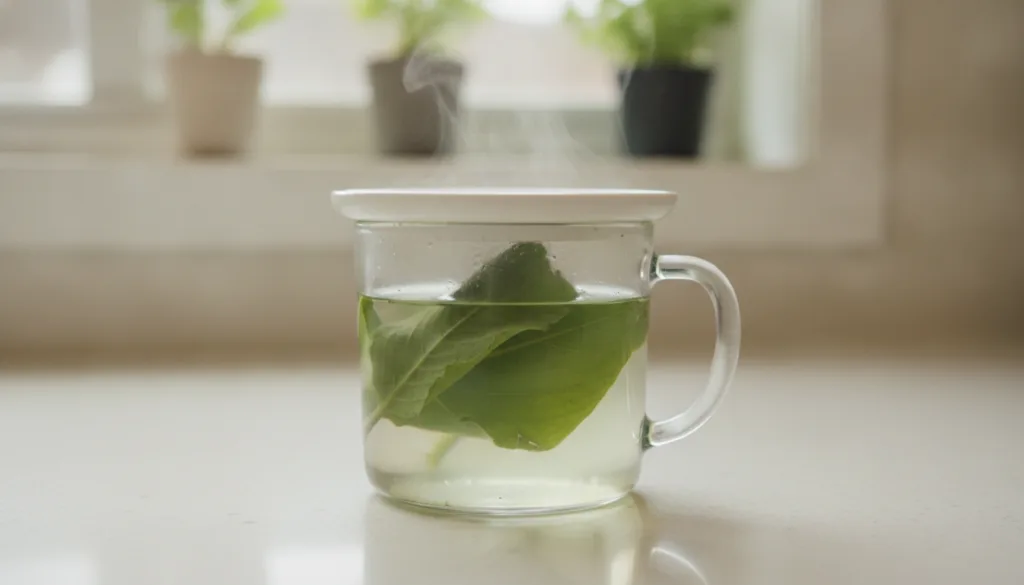
- Steep: Cover the mug to prevent the escape of volatile compounds and allow the tea to steep for 10-15 minutes. Steeping longer will result in a stronger, potentially more bitter tea.
- Strain: Using a fine-mesh strainer, remove the plantain leaves from the liquid.
- Serve: Your plantain tea is now ready. You can drink it warm.
How to Use
Drink the freshly prepared plantain tea. It can be consumed plain, or you can add a squeeze of lemon or a touch of honey if desired, although some prefer its natural, earthy flavor.
How Often to Use
For general urinary system support or minor discomfort, consuming 1-2 cups of plantain tea per day is common. It’s often recommended to drink it consistently for a few days to a week to observe its effects. Always listen to your body and adjust as needed.
Did You Know?
Plantain leaves are also edible! Young leaves can be added to salads, while older leaves can be cooked like spinach. This makes it a dual-purpose plant for both health and nutrition.
Why It Works: The Science Behind Plantain
Plantain’s efficacy for urinary health isn’t just folklore; it’s backed by its unique composition of beneficial compounds. The primary reasons it helps include:
- Diuretic Action: Plantain acts as a mild diuretic, which means it encourages increased urine production. This helps flush the urinary system, assisting the body in clearing out waste products and potentially reducing the concentration of irritants.
- Anti-inflammatory Properties: Compounds like aucubin and flavonoids found in plantain possess anti-inflammatory effects. This can be particularly beneficial for soothing irritation or inflammation within the urinary tract, which is often associated with discomfort.
- Demulcent Qualities: Plantain contains mucilage, a gooey substance that becomes gelatinous when wet. When consumed, this mucilage forms a soothing, protective layer over mucous membranes, including those in the urinary tract. This demulcent action can help calm irritated tissues and provide comfort.
- Antimicrobial Support: While not a primary antibiotic, some research suggests that aucubin and other compounds in plantain may have mild antimicrobial properties, which can contribute to a healthier urinary environment.
Together, these actions provide a holistic approach to supporting urinary comfort and function, making plantain a valuable herb for this specific area of health.
How to Buy / How to Choose Ingredients
The best plantain is often the one you harvest yourself from a clean, unsprayed environment. If foraging isn’t an option:
- Dried Plantain Leaves: Purchase from reputable herbal suppliers or organic health stores. Ensure the product is organic and clearly labeled as Plantago major or Plantago lanceolata. Check for a vibrant green color and a fresh, earthy smell.
- Fresh Plantain: Look for foragers or farmers at local markets who can confirm their plantain is free of pesticides and grown in a clean area. The leaves should be crisp, green, and free of wilting or discoloration.
Fresh vs. Dried Plantain
| Feature | Fresh Plantain | Dried Plantain |
|---|---|---|
| Potency | Often considered more potent due to fresh volatile compounds. | Slightly less potent, but still highly effective. |
| Availability | Seasonal, requires foraging or specific sourcing. | Available year-round, easy to store. |
| Preparation | Requires thorough washing, may need chopping. | Ready to use, simply measure. |
| Flavor | Can be earthier, slightly greener taste. | Milder, sometimes slightly grassy. |
| Mucilage Content | High, provides excellent demulcent effect. | Retains good mucilage content. |
Storage
- Dried Plantain: Store in an airtight container, away from direct sunlight and moisture. A cool, dark pantry or cupboard is ideal. Properly stored dried plantain can last for up to 1-2 years.
- Fresh Plantain: Use immediately for best results. If you must store it, wrap clean leaves in a damp paper towel and place them in a loosely sealed plastic bag in the refrigerator for 2-3 days.
- Prepared Tea: Best consumed fresh. If you have leftovers, refrigerate in a sealed container for no more than 24 hours, but warming it may diminish some beneficial compounds.
Practical Tips
- Combine with Other Herbs: Plantain can be combined with other urinary support herbs like parsley or dandelion leaf for enhanced effects, but always research interactions.
- Hydration is Key: While plantain tea helps, remember that adequate daily water intake is crucial for overall urinary health.
- Consistency: For noticeable effects, consistent use over several days is often more beneficial than sporadic use.
- Taste Customization: If the earthy taste is not to your liking, a small amount of raw honey or a slice of ginger can be added.
Common Mistakes
- Using Sprayed Plants: Foraging from areas treated with pesticides or herbicides can introduce harmful chemicals into your remedy.
- Boiling Vigorously: Boiling plantain leaves (instead of steeping) can destroy some delicate beneficial compounds. Always use an infusion (hot water poured over leaves).
- Not Steeping Long Enough: Insufficient steeping time means you won’t extract enough of the active compounds.
- Expecting Instant Cures: While helpful, plantain is a gentle herbal support, not a quick-fix medication for severe conditions.
- Ignoring Professional Advice: Always consult a healthcare professional for persistent or severe urinary issues.
Cautions / Who Should Avoid It
Plantain is generally considered safe for most people when consumed in moderate amounts as a tea. However, some considerations include:
- Pregnancy and Breastfeeding: Limited research exists. It’s best to consult a doctor before use.
- Kidney Conditions: If you have severe kidney disease, consult a healthcare provider, especially due to its diuretic action.
- Medication Interactions: Plantain may have mild diuretic effects, potentially interacting with diuretic medications. If you are on prescription drugs, speak to your doctor or pharmacist.
- Allergies: Though rare, some individuals may have an allergic reaction. Discontinue use if adverse effects occur.
Who Benefits Most
This natural remedy is particularly beneficial for:
- Individuals looking for general daily support for urinary tract health.
- Those experiencing mild, occasional urinary discomfort or irritation.
- People who prefer a gentle, natural approach to maintaining healthy fluid balance and detoxification through the kidneys.
- Anyone interested in incorporating easily accessible wild plants into their wellness routine.
Quick Summary
Plantain tea, made from fresh or dried leaves, offers gentle support for urinary comfort. Its diuretic, anti-inflammatory, and demulcent properties help flush the system, soothe irritation, and protect mucous membranes. Best prepared as an infusion, consumed 1-2 times daily. Always source clean leaves and store them properly. Remember, it’s a supportive herb, not a cure for serious conditions, and medical advice should be sought for persistent issues.
FAQ
- Can I use the roots or seeds of plantain?
While the seeds (psyllium) have their own uses, particularly for digestive health, for urinary support, the leaves are the primary part used in tea. - How long does plantain tea last once prepared?
It’s best consumed fresh. You can refrigerate leftovers for up to 24 hours, but freshness ensures maximum potency. - Can I sweeten plantain tea?
Yes, if the taste is too earthy for you, a little honey or stevia can be added. Lemon also pairs well. - How often should I use plantain tea for urinary health?
For general support, 1-2 cups per day for a few days to a week is a common recommendation. Always observe how your body responds. - Is there a difference between broadleaf and narrowleaf plantain for this purpose?
Both species (Plantago major and Plantago lanceolata) offer similar beneficial properties for urinary health, so you can use whichever is more readily available to you. - Can I grow plantain at home?
Plantain is a very resilient plant and often grows spontaneously. You can easily cultivate it in your garden, ensuring a pesticide-free supply.
Conclusion
The next time you see plantain growing, think twice before dismissing it as just a common weed. This humble plant holds a wealth of potential for supporting your urinary health with its natural diuretic, anti-inflammatory, and soothing properties. By incorporating a simple plantain tea into your routine, you can tap into an accessible and gentle way to maintain comfort and function in a vital part of your body. Give this everyday plant a chance to surprise you with its unexpected and beneficial power.