Remember that captivating quiz question, asking you to identify a legendary actor whose intense gaze redefined cinema? We hinted that he could easily be confused with another handsome young star from the 1950s, but his influence went far beyond his striking looks. He wasn’t just a star; he was a revolutionary.
The Correct Answer Is… Marlon Brando!
If you chose Marlon Brando, congratulations! You’ve recognized one of Hollywood’s true titans. Born in 1924, Brando emerged as a force of nature in an era of polished performances, ushering in a new, more emotionally raw and naturalistic style of acting that would shake the foundations of the film industry.
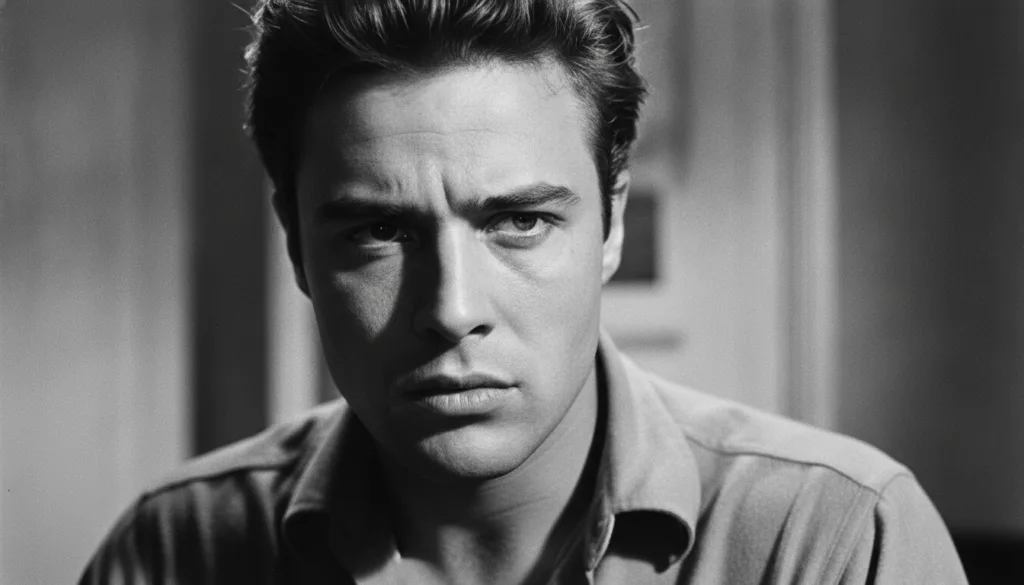
The Method Man: Redefining Performance
Brando was a pioneer of Method Acting, a technique that encouraged actors to delve deep into the psychological realism of their characters. This approach allowed him to deliver performances that felt less theatrical and more profoundly human, breaking away from the more formal acting styles prevalent at the time. His impact was immediate and undeniable.
His early films quickly cemented his status as a cultural icon:
- A Streetcar Named Desire (1951): As the volatile Stanley Kowalski, Brando’s raw physicality and emotional intensity electrified audiences and earned him his first Academy Award nomination. It was a performance that announced the arrival of a new kind of leading man.
- The Wild One (1953): Playing the rebellious biker gang leader Johnny Strabler, Brando personified the angst and defiance of a generation, influencing fashion, music, and youth culture for decades to come.
- On the Waterfront (1954): This film earned Brando his first Academy Award for Best Actor for his portrayal of Terry Malloy, a conflicted ex-boxer. His powerful performance, especially the iconic ‘I could’ve been a contender’ scene, remains one of cinema’s most celebrated moments.
From Rebel to Godfather: A Lasting Legacy
Decades later, Brando continued to innovate and captivate. In 1972, he created one of cinema’s most legendary characters: Vito Corleone in The Godfather. His nuanced portrayal of the aging mob patriarch, complete with the gravelly voice and specific mannerisms, earned him his second Best Actor Oscar and further solidified his place in film history. This performance is often cited as a masterclass in acting, proving his enduring genius.
Marlon Brando’s influence extends far beyond his own iconic roles. He inspired generations of performers, from James Dean and Paul Newman to Robert De Niro and Daniel Day-Lewis, to strive for greater psychological depth and authenticity in their work. He didn’t just play characters; he inhabited them, forcing audiences and critics alike to reconsider what was possible in screen acting.
That is why he isn’t simply remembered as a famous actor. He is often celebrated as the artist who helped change acting itself, leaving an indelible mark on Hollywood and the world of cinema that continues to resonate today.